Nasal Breathing and Mouth Taping: What the Evidence Shows
Yakiv Bilenko — editor · Updated October 7, 2026
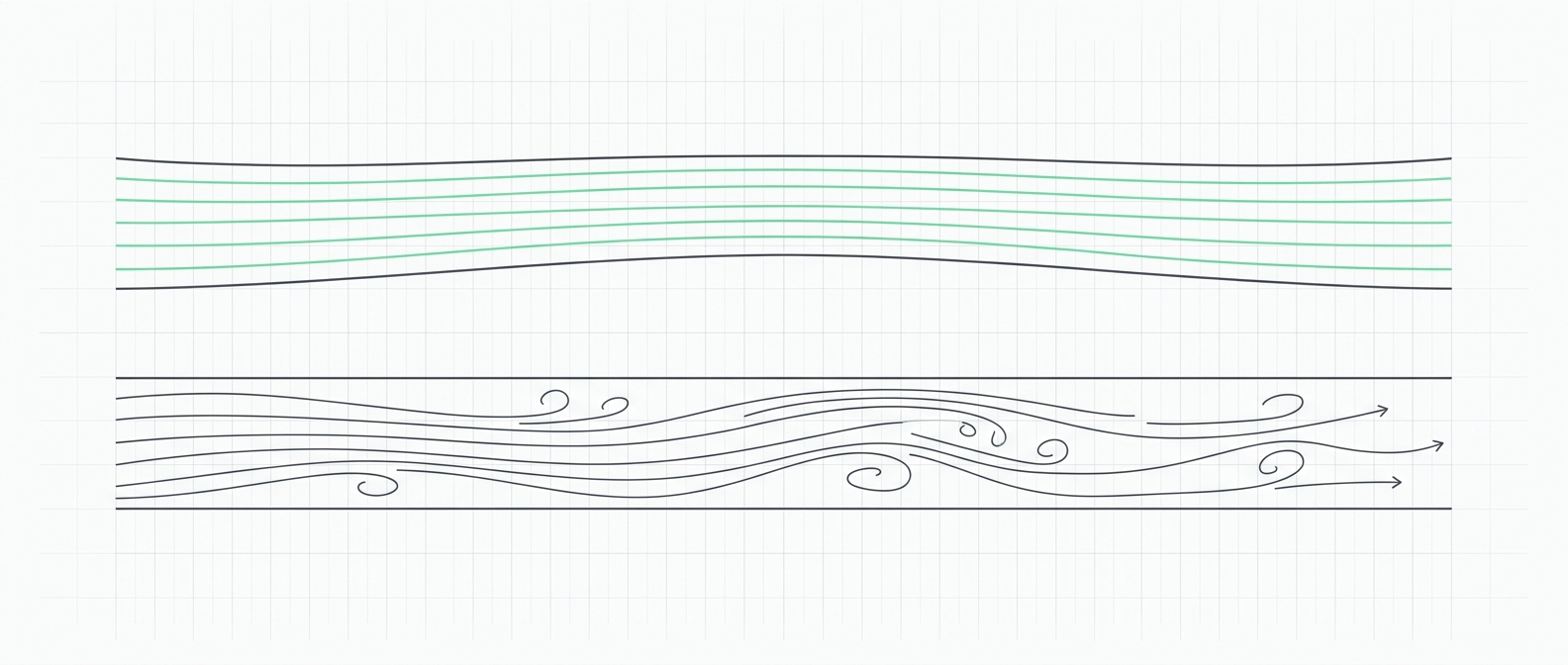
The nose warms, humidifies and filters the air, adds resistance to airflow and carries nitric oxide made in the sinuses into the lungs. These roles are well established. Evidence for wider benefits is thinner: small studies link nasal breathing to brain rhythms and a slightly calmer heart rhythm, and breathing retraining helps some people with asthma. Mouth taping has been tested in only a few small studies, mostly in mild sleep apnea, and reviews warn of real risks.
Key points
- The nose conditions and filters the air you breathe and adds resistance to airflow; this is established physiology.
- The sinuses make nitric oxide that reaches the lungs with nasal breathing; claims of large health or performance gains from it go beyond the evidence.
- Small studies link nasal breathing to brain rhythms involved in memory and to a slightly calmer heart rhythm; these are early findings.
- Breathing through the nose during exercise did not change performance in small trials.
- Breathing exercises, including the Buteyko method, may help asthma control and symptoms alongside usual treatment.
- Mouth taping has been studied in only a few small trials, mostly in mild sleep apnea; reviews warn it can be risky and may hide a problem that needs treatment.
- Do not tape your mouth if you cannot breathe freely through your nose, and see a doctor first if you snore loudly or may have sleep apnea.
What does the nose do that the mouth does not?
Most people breathe through the nose at rest. The nose warms and humidifies the air and filters out particles before it reaches the lungs, and its narrow, complex passages add resistance to airflow compared with the mouth [S1]. These roles are well established.
The sinuses also continuously make nitric oxide, a gas that helps defend against microbes; it can be measured in breath exhaled through the nose [S2]. With nasal breathing, some of it reaches the lungs, where it is proposed to help oxygen uptake by widening small blood vessels [S2]. How much this matters in everyday life has not been measured well.
What does the evidence show?
Sleep: snoring and sleep apnea. Context-dependent. A blocked nose matters at night: across studies, nasal obstruction was linked to clearly worse sleep apnea measures and can produce apnea-like breathing in previously healthy people [S11]. Mouth breathing during sleep is common in people who snore. Whether closing the mouth helps is covered in the mouth taping section below.
Memory and attention. Emerging. In people with electrodes implanted for epilepsy, nasal breathing synchronised activity in smell- and memory-related brain areas, and this rhythm faded when breathing moved to the mouth; behavioural tests linked the phase of breathing to memory retrieval [S3]. This is a striking finding from very few patients. It does not show that habitual nose breathing improves memory or focus in daily life.
HRV and the nervous system. Emerging. In a small study of young adults, five minutes of nasal breathing gave slightly lower diastolic blood pressure and a higher relative high-frequency share of HRV than mouth breathing, without changing heart rate [S4]. This is one short laboratory comparison. Breathing pace has a larger and better documented effect on HRV; see how breathing changes HRV and slow breathing.
Exercise. Emerging. In small trials, breathing only through the nose did not change power output in a short sprint test [S5] or endurance in repeated bench presses [S6]. Nose breathing during exercise seems neither to help nor to hurt performance much; at high intensities most people switch to the mouth anyway.
Asthma and the Buteyko method. Context-dependent. A Cochrane review found that breathing exercises for adults with asthma may improve quality of life, hyperventilation symptoms and lung function, with moderate to very low certainty [S7]. A meta-analysis of the Buteyko method, which emphasises nasal and reduced breathing, found better asthma control when it was added to usual treatment, but the evidence is limited [S8]. Breathing exercises are an addition to asthma treatment, not a replacement.
Does nasal breathing boost oxygen and performance through nitric oxide?
Nitric oxide from the sinuses is real, and it reaches the lungs with nasal breathing [S2]. Popular claims go further: that nose breathing "multiplies" oxygen delivery, boosts energy or improves athletic performance through nitric oxide. These claims have not been shown. In exercise trials, breathing only through the nose did not improve performance [S5] [S6].
Mouth taping
Mouth taping means sealing the lips with tape or a patch during sleep to encourage nasal breathing. It spread through social media, where it is credited with better sleep, energy and dental health; few of those claims have been tested [S10].
What the studies show. Emerging and limited. A systematic review found only ten small studies: two showed improvements in sleep apnea measures, others showed no difference, and the authors warned of potentially serious harm when people tape indiscriminately, including the risk of suffocation if the nose is blocked [S9]. The two positive studies were small and had no control group: in mouth-breathers with mild sleep apnea who tolerated the tape, the apnea index and snoring roughly halved over a week [S12], and a new porous oral patch reduced snoring and apnea events [S13]. A scoping review found the literature markedly heterogeneous, with little consensus on benefits [S10].
Who might it suit? The only positive data come from adults with mild sleep apnea who habitually breathe through the mouth, have a clear nose, and were assessed by sleep specialists [S12] [S13]. That is a narrow group, and in those studies taping was used with medical follow-up.
What is not shown: that mouth taping treats moderate or severe sleep apnea, improves energy, immunity or dental health, or is safe for everyone.
Does mouth tape treat sleep apnea?
Some marketing presents mouth tape as a fix for sleep apnea. The evidence does not support that. Reviews found only a few small studies, mostly in mild sleep apnea, with mixed results, and warned of real risks [S9] [S10]. Sleep apnea needs a medical diagnosis and proven treatment; taping can quieten snoring while the underlying problem continues.
Safety
This is the most important part of the page.
- A blocked nose is the main danger. Do not tape your mouth if you cannot breathe freely through your nose, for example with a cold, allergies, nasal polyps or a deviated septum; reviews warn of a risk of suffocation [S9].
- Possible sleep apnea: see a doctor first. Loud snoring, gasping or choking at night, pauses in breathing noticed by a partner, or daytime sleepiness are reasons to be assessed. Tape can reduce snoring and hide the warning sign without treating the cause.
- Not after alcohol or sleeping pills, which make it harder to wake if breathing is obstructed.
- Not for children, unless a doctor advises it.
- Not if you feel sick or might vomit, or have reflux at night.
- Stop if you wake breathless, panicky or with a headache, and talk to a doctor.
For questions to bring to a sleep specialist or lung doctor, see an ONDA report for your sleep specialist and an ONDA report for your pulmonologist.
What it does not tell you
- Small, short studies. Most studies are small, last minutes to a week, and lack control groups [S9] [S12].
- Expectations. People know how they breathe or that their mouth is taped, so self-reported sleep and wellbeing are open to expectation effects.
- Mixed methods. Studies differ in tape type, population and outcomes, which makes them hard to combine [S10].
- No proof of long-term benefit for habitual nose breathing in healthy people.
In ONDA
ONDA does not measure whether you breathe through your nose or mouth, and does not detect sleep apnea. ONDA shows your pulse live during a practice, from the iPhone camera or an Apple Watch. ONDA's breathing practices can be done through the nose, but the app makes no claim that nasal breathing or mouth taping improves your health. Your nightly breathing rate is covered on the respiratory rate page.
Educational information, not a diagnosis or medical treatment.
Evidence at a glance
| Claim | Evidence | Limitation |
|---|---|---|
| Nasal breathing conditions inspired air and defends against particles, at the cost of higher resistance than mouth breathing. [S1] | Established | Physiology review; says nothing about long-term health outcomes. |
| Healthy sinus lining continuously produces nitric oxide, which can be measured in nasally exhaled breath. [S2] | Established | Physiology review. |
| Nitric oxide from the nose reaches the lungs in diluted form and is proposed to enhance oxygen uptake. [S2] | Context-dependent | Mechanism described in a review; size of the effect in everyday life is not established. |
| In patients with implanted electrodes, natural nasal breathing synchronised activity in olfactory and limbic areas, which faded when breathing moved to the mouth; behavioural tests linked breathing phase to memory retrieval. [S3] | Emerging | Few patients with epilepsy; behavioural effects depend on breathing phase, not habitual nose breathing. |
| In a small crossover study of young adults, five minutes of nasal breathing gave slightly lower diastolic pressure and a higher relative high-frequency share of HRV than mouth breathing. [S4] | Emerging | One small short-term study; relative spectral measures. |
| Breathing route did not change power output in a short high-intensity cycling test. [S5] | Emerging | Nine participants. |
| Different breathing routes had no or only minor effects on muscular endurance. [S6] | Emerging | Single session of bench press testing. |
| Breathing exercises for adults with asthma may improve quality of life, hyperventilation symptoms and lung function, with moderate to very low certainty. [S7] | Context-dependent | Mixed methods; most trials used yoga; one used Buteyko alone. |
| The Buteyko technique added to standard care improved asthma control in a meta-analysis of randomised trials, with limited evidence. [S8] | Emerging | Seven trials; added to, not instead of, standard care. |
| A systematic review of mouth taping found few, small studies, mixed results, and a potentially serious risk of harm with indiscriminate use, including asphyxiation with nasal obstruction. [S9] | Established | Ten small studies; many excluded people with nasal obstruction. |
| A scoping review found the mouth-taping literature heterogeneous with little consensus on benefits; few social-media claims have been tested. [S10] | Established | Scoping review. |
| Nasal obstruction was associated with clinically significant worsening of sleep apnea indicators. [S11] | Context-dependent | Heterogeneous studies; mouth taping itself only narratively reviewed. |
| In a small uncontrolled study of mouth-breathers with mild sleep apnea, mouth taping reduced the apnea index and snoring. [S12] | Emerging | Twenty people who tolerated the tape; no control group; one week. |
| In a small uncontrolled pilot study, a porous oral patch reduced snoring and the apnea index in mild sleep apnea with mouth breathing. [S13] | Emerging | Thirty patients; no control group; a newly designed device. |
Sources
- [S1] Elad, Wolf & Keck (2008). Air-conditioning in the human nasal cavity. Respiratory Physiology & Neurobiology. DOI 10.1016/j.resp.2008.05.002 · PMID 18565805
- [S2] Lundberg (2008). Nitric oxide and the paranasal sinuses. The Anatomical Record. DOI 10.1002/ar.20782 · PMID 18951492
- [S3] Zelano et al. (2016). Nasal respiration entrains human limbic oscillations and modulates cognitive function. The Journal of Neuroscience. DOI 10.1523/JNEUROSCI.2586-16.2016 · PMID 27927961 · Brain recordings from a few patients with epilepsy plus behavioural tests in healthy volunteers
- [S4] Watso et al. (2023). Acute nasal breathing lowers diastolic blood pressure and increases parasympathetic contributions to heart rate variability in young adults. American Journal of Physiology — Regulatory, Integrative and Comparative Physiology. DOI 10.1152/ajpregu.00148.2023 · PMID 37867476 · Single small crossover study in young adults
- [S5] Recinto et al. (2017). Effects of nasal or oral breathing on anaerobic power output and metabolic responses. International Journal of Exercise Science. DOI 10.70252/EHDR7442 · PMID 28674596 · Small crossover study
- [S6] Lörinczi et al. (2024). Nose vs. mouth breathing — acute effect of different breathing regimens on muscular endurance. BMC Sports Science, Medicine and Rehabilitation. DOI 10.1186/s13102-024-00840-6 · PMID 38336799 · Authors declare no competing interests
- [S7] Santino et al. (2020). Breathing exercises for adults with asthma. Cochrane Database of Systematic Reviews. DOI 10.1002/14651858.CD001277.pub4 · PMID 32212422
- [S8] Wu, Zhang & Huang (2026). The effect of the Buteyko breathing technique on asthma control and quality of life: a systematic review and meta-analysis of randomized controlled trials. Explore. DOI 10.1016/j.explore.2026.103414 · PMID 41930853 · Authors declare no relevant interests
- [S9] Rhee et al. (2025). Breaking social media fads and uncovering the safety and efficacy of mouth taping in patients with mouth breathing, sleep disordered breathing, or obstructive sleep apnea: a systematic review. PLoS One. DOI 10.1371/journal.pone.0323643 · PMID 40397877 · Authors declare no competing interests
- [S10] Fangmeyer, Badger & Thakkar (2025). Nocturnal mouth-taping and social media: a scoping review of the evidence. American Journal of Otolaryngology. DOI 10.1016/j.amjoto.2024.104545 · PMID 39662104
- [S11] Alshehri et al. (2026). Impact of nasal obstruction and mouth taping on sleep apnea indicators: systematic review and meta-analysis. OTO Open. DOI 10.1002/oto2.70294 · PMID 42662994 · Authors declare no conflicts
- [S12] Lee et al. (2022). The impact of mouth-taping in mouth-breathers with mild obstructive sleep apnea: a preliminary study. Healthcare. DOI 10.3390/healthcare10091755 · PMID 36141367 · Small uncontrolled study; authors declare no conflicts of interest
- [S13] Huang & Young (2015). Novel porous oral patches for patients with mild obstructive sleep apnea and mouth breathing: a pilot study. Otolaryngology — Head and Neck Surgery. DOI 10.1177/0194599814559383 · PMID 25450408 · Small uncontrolled pilot study of a newly designed oral patch
Related
- ScienceSlow Breathing: What the Evidence Shows
- ScienceHow Breathing Changes HRV — and Why Slow Breathing Raises It
- ScienceResting Respiratory Rate: What It Reflects and How It's Measured
- ScienceThe Autonomic Nervous System: Sympathetic and Parasympathetic
- ArticleNose vs Mouth Breathing: What It Does to Your Nervous System and Focus
- ArticleBreathing for Focus: How the Breath Steadies Attention
- ArticleShowing Your Night Data to a Sleep Specialist: What It Can and Can't Tell Them
- ArticleYour Breathing in Numbers: What a Lung Specialist Can Do With Your Data (Asthma, Breathlessness, Breathing Patterns)
How ONDA Science pages are made: every number comes from one checked list of facts, every claim is mapped to its sources and graded by strength of evidence, and sources need a DOI or PMID (manufacturer documentation is used only for device facts).