Sauna and Heat Exposure: What the Evidence Shows
Yakiv Bilenko — editor · Updated October 7, 2026
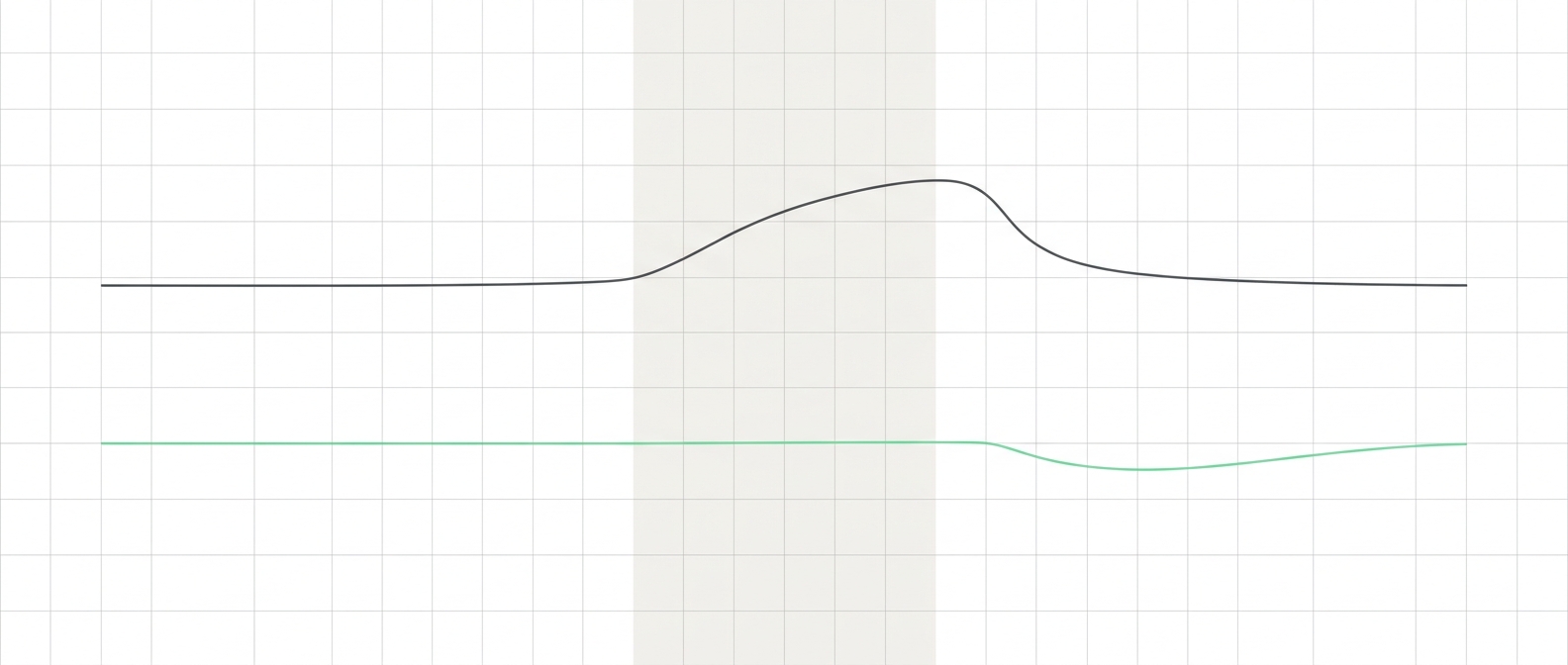
Heat exposure covers different things: the traditional Finnish sauna, infrared cabins, hot-water immersion and clinical heat therapy. A sauna session raises heart rate like moderate exercise, widens blood vessels and lowers blood pressure afterwards. Large Finnish cohort studies link frequent sauna use with fewer cardiovascular deaths and less dementia, but they show an association, not cause, and do not apply to infrared cabins. Alcohol is the main factor in sauna deaths.
Key points
- Finnish sauna, infrared sauna, hot-water immersion and clinical heat therapy are different exposures; results from one do not transfer to the others.
- During a hot sauna session heart rate and blood pressure rise to levels similar to moderate exercise; afterwards blood pressure falls below its starting level.
- In a Finnish cohort of middle-aged men, frequent sauna use was associated with fewer cardiovascular deaths and less dementia; this is an association, not proof of cause.
- Small trials show short-term improvements in blood pressure and blood vessel function, mostly with hot-water immersion or a single sauna session.
- In one direct comparison, hot-water immersion raised core temperature most and far-infrared sauna least.
- Claims that sauna removes toxins, replaces exercise or extends life are not supported by human evidence.
- Alcohol is involved in about half of deaths in Finnish saunas; avoid it, drink water, and check with a doctor if you have heart disease or are pregnant.
What counts as heat exposure?
"Sauna" and "heat therapy" cover several different exposures. Results from one do not transfer to the others:
- Traditional Finnish sauna: hot, dry air heated by a stove, with short bursts of steam from water on the stones. All the large Finnish cohort studies are about this type [S1] [S4].
- Infrared sauna: lamps or panels heat the body more directly at lower air temperatures. It is a different stimulus: in a direct comparison it raised core body temperature least [S8].
- Hot-water immersion: sitting in a hot bath up to the shoulders. Laboratory trials of "heat therapy" often use this, because it raises core temperature most [S7] [S8].
- Clinical heat therapy: for example Waon therapy in Japan, a far-infrared dry sauna followed by rest under a blanket, used in hospital for heart failure [S10].
Finnish population data must not be applied to infrared cabins, blankets or pods. The cohort studies did not include infrared saunas, and a review of heart failure found trials only of infrared saunas, not Finnish ones [S9].
What happens in the body?
Heart rate and blood pressure. During a hot sauna session, heart rate and blood pressure rise steadily. In a small laboratory study, the cardiac load matched an exercise load of about 60–100 watts on a cycle test, a moderate exercise effort [S5]. This is why a sauna is not simply "relaxing" for the heart.
Vessels widen and you sweat. Heat widens the blood vessels of the skin, and sweating cools the body. After one session in adults with a cardiovascular risk factor, systolic blood pressure fell from 137 to 130 mm Hg and heart rate rose from 65 to 81 beats per minute [S6]. That study had no control group.
After the session. Blood pressure drops below its starting level once you leave the heat [S5]. This drop is one reason people feel dizzy or faint when they stand up or step out.
These changes involve the autonomic nervous system, which adjusts heart rate and vessel tone to heat. A higher resting heart rate on a sauna day, or a different HRV reading the next morning, is a response to load, not a verdict.
What does the evidence show?
Cardiovascular deaths in Finnish men. Context-dependent (association). The Kuopio Ischaemic Heart Disease Risk Factor Study (KIHD) followed 2,315 men aged 42–60 from Eastern Finland for about twenty years. Men who reported more sauna sessions per week had fewer sudden cardiac deaths, fewer cardiovascular deaths and lower all-cause mortality. For example, in this one Finnish cohort of men aged 42–60 there was a hazard ratio of 0.37 (95% CI 0.18–0.75) for sudden cardiac death with 4–7 sessions a week versus one [S1]; this is an association, not proof of cause, and the men who used saunas often were healthier overall, so better health may explain part of the link (reverse causation and confounding).
Dementia. Context-dependent (association). In the same cohort, frequent sauna use was associated with fewer cases of dementia and Alzheimer's disease. For example, in this one Finnish cohort of men aged 42–60 there was a hazard ratio of 0.34 (95% CI 0.16–0.71) for dementia with 4–7 sessions a week versus one [S2]; this is an association, not proof of cause, and frequent sauna users were healthier overall (reverse causation and confounding). Same limits: one cohort, men only, sauna habits asked once.
Why an association is not proof. People who go to the sauna often may differ in many ways: they may be healthier to begin with, more active, wealthier or more socially connected. People who become ill may stop going, which makes sauna use look protective (reverse causation). The studies adjusted for several risk factors, but not every difference can be measured [S1] [S2]. The authors themselves describe the mechanisms as postulated [S4].
Blood pressure and blood vessels. Emerging. In the KIHD cohort, regular sauna use was associated with a lower risk of developing hypertension [S3]. In trials, the evidence is short-term: one sauna session lowered blood pressure and arterial stiffness for a short time [S6], and in a small randomised trial, eight weeks of hot-water immersion, four to five times a week improved blood vessel function and lowered blood pressure compared with a sham bath [S7]. That trial used hot baths in young sedentary adults, not a sauna.
Heart failure. Context-dependent (clinical setting). A meta-analysis found that infrared sauna sessions improved measures of cardiac function in the short term; the strength of evidence ranged from moderate to insufficient [S9]. In a randomised trial of Waon therapy in advanced heart failure, symptoms and walking distance improved, but the main blood marker did not change significantly [S10]. These were supervised hospital programmes, not home use.
Recovery and muscle soreness. Emerging. In a small crossover trial, an infrared sauna after resistance training reduced muscle soreness and the drop in jump performance the next day [S12]. One small study of athletes does not establish a general recovery benefit.
Mood and depression. Emerging, single trial. In a small randomised trial with a sham condition, one session of whole-body hyperthermia reduced depression scores in people with major depressive disorder for six weeks [S11]. It used a clinical hyperthermia device under supervision, not a sauna, and has not been widely replicated. For how stress hormones respond to load, see cortisol and the stress response.
Sleep. Unknown. Many people say they sleep better after a sauna, but controlled trials with sleep as the main outcome are lacking; a systematic review found mostly small, heterogeneous studies [S13].
Heat shock proteins and "longevity". Unknown. Heat makes cells produce heat shock proteins, which help other proteins keep their shape. In people, studies of sauna and these proteins are small and short [S14], and none links them to a longer life. See the glossary entry on heat shock proteins.
Infrared or traditional: what do direct comparisons show?
Very little. One laboratory study heated the same young healthy adults in three ways. Hot-water immersion raised core temperature and cardiac output most; far-infrared sauna raised core temperature least; only hot-water immersion changed immune markers [S8]. That is one acute session. No study has compared long-term health outcomes of infrared and traditional saunas. The heart failure trials used infrared saunas [S9], and the Finnish cohort data come only from traditional saunas [S1]. Product reviews on this site, such as the best infrared saunas round-up and the Finnleo Hallmark review, compare devices, not health effects.
Does sauna sweat out toxins?
A common claim is that sweating in a sauna "detoxes" the body. This has not been shown. Sweat does contain small amounts of metals, and a systematic review of small studies found that some highly exposed people excrete measurable amounts through the skin; the authors called for proper trials [S19]. No trial shows that sweating in a sauna removes meaningful amounts of toxins, lowers the body's toxic load or improves health through sweating. The liver and kidneys remain the body's main routes for clearing waste products.
Can a sauna replace exercise?
No study shows this. The heart works at a moderate load during a hot session [S5], and hot baths improved some vessel measures in sedentary adults [S7]. But a sauna does not train muscles, strength or fitness, and no trial has compared sauna with exercise on health outcomes. It may suit people who cannot exercise, under medical advice, as an addition rather than a replacement.
Do the Finnish studies show that sauna makes you live longer?
They show that Finnish men who used saunas often died less often during follow-up [S1]. The authors call it an association and ask for studies of mechanisms [S1] [S4]. Healthier people may simply use saunas more, and people who fall ill may stop. The data do not prove that adding sauna sessions extends life, and they say nothing about infrared cabins or women.
Safety
This is the most important part of the page.
- Alcohol is the main danger. In Finland, deaths in a sauna are rare, fewer than two per 100,000 inhabitants a year, but in half (50%) of cases the person was under the influence of alcohol; the authors advise less drinking and never leaving a drunk bather alone [S15]. Alcohol during a sauna raises the risk of low blood pressure, heart-rhythm problems and sudden death [S16]. Do not drink before or during a session.
- Dehydration. You lose fluid through sweat. Drink water before and after, keep sessions short at first, and get out if you feel dizzy, nauseous or unwell.
- Low blood pressure and fainting on exit. Blood pressure falls after the heat [S5] [S6]. Stand up slowly, sit for a moment before leaving, and take care on wet floors and steps.
- Heart disease. Unstable angina, a recent heart attack and severe aortic stenosis are contraindications to sauna bathing [S16]. Many people with stable heart disease use saunas, but talk to your cardiologist first. Heart failure programmes in studies were supervised [S9] [S10].
- Pregnancy. A raised core temperature in early pregnancy is associated with neural tube defects, an odds ratio of 1.92 (95% CI 1.61–2.29) [S17]; most of that data concerns fever, not sauna. An older review considers sauna safe in uncomplicated pregnancy [S16]. Avoid getting hot enough to raise your core temperature, especially in the first trimester, and ask your midwife or doctor.
- Children. Children heat up and dehydrate faster. Keep sessions short and cooler, always with an adult, and never leave a child alone in a sauna.
- Fever or acute illness. Do not use a sauna with a fever, an infection or after vomiting or diarrhoea.
- Medications. Drugs that lower blood pressure, affect heart rhythm, cause drowsiness or change sweating and heat control can make the heat harder to tolerate. Ask your doctor or pharmacist.
- Alternating with cold. Going from heat into cold water adds the cold shock response to an already strained circulation. Read the cold exposure safety section before combining them.
- Stop and seek help for chest pain, palpitations, fainting, confusion or severe breathlessness.
What it does not tell you
- Observational data from one country. The strongest outcome data come from one cohort of middle-aged Finnish men, reported by one research group [S1] [S2] [S3]. Associations are not proof of cause.
- Small trials. Most trials are small and short, with heterogeneous outcomes [S13].
- No blinding. People know when they are in a sauna, so self-reported outcomes such as soreness or mood can be shaped by expectation; only the depression trial used a sham [S11].
- Types are not interchangeable. Finnish sauna, infrared sauna, hot baths and hospital heat therapy produce different heat loads [S8].
- Not a treatment. None of these studies shows that sauna can replace medical care for heart disease, high blood pressure or depression.
Conflicts of interest
The Finnish cohort papers come from one academic group in Kuopio and Jyväskylä [S1] [S2] [S3] [S4]; their conflict-of-interest statements could not be checked in the paywalled full texts. Waon therapy was developed and tested by its developer's own group [S10], and its developer co-authored the heart failure meta-analysis, which declared no conflict of interest [S9]. The infrared recovery trial and the direct comparison study declared no conflicts [S8] [S12]. Many popular sauna claims come from manufacturers, which this page does not use as evidence.
In ONDA
ONDA does not measure sauna sessions, core temperature or heat stress. ONDA shows your pulse live during a practice, from the iPhone camera or an Apple Watch. If you use a sauna, compare your resting heart rate and HRV with your own baseline over several days rather than reading one morning's value.
Educational information, not a diagnosis or medical treatment.
Evidence at a glance
| Claim | Evidence | Limitation |
|---|---|---|
| During a hot sauna session blood pressure and heart rate rise, and the cardiac load corresponds to moderate exercise; afterwards blood pressure falls below baseline. [S5] | Emerging | Nineteen healthy adults, one session, no control group. |
| After a single sauna session, arterial stiffness and blood pressure fell and heart rate rose. [S6] | Emerging | Non-randomised, no control group, measured only up to thirty minutes after one session. |
| In Finnish men, more frequent sauna bathing was associated with lower risk of sudden cardiac death, fatal cardiovascular disease and all-cause death. [S1] | Context-dependent | Observational; one cohort of middle-aged men in Eastern Finland; sauna habits reported once at baseline; residual confounding possible. |
| In the same cohort, frequent sauna bathing was associated with lower risk of dementia and Alzheimer's disease. [S2] | Context-dependent | Observational; same cohort and group; men only. |
| In the same cohort, regular sauna bathing was associated with lower risk of developing hypertension. [S3] | Context-dependent | Observational; the association weakened for two to three sessions a week after fuller adjustment. |
| The authors of the Finnish cohort studies describe the proposed mechanisms as postulated. [S4] | Debated | Narrative review by the cohort's own authors. |
| In a small trial, eight weeks of hot-water immersion improved blood vessel function and lowered blood pressure compared with a thermoneutral sham. [S7] | Emerging | Ten participants per group; young sedentary adults; hot-water immersion, not sauna. |
| In a direct comparison, hot-water immersion produced the largest thermoregulatory and cardiovascular responses and far-infrared sauna the smallest. [S8] | Emerging | One acute session each; twenty young healthy adults. |
| In heart failure, only infrared sauna studies qualified for a meta-analysis, which found short-term improvement in cardiac function. [S9] | Context-dependent | Small studies, strength of evidence moderate to insufficient; patients with heart failure under medical supervision; no data for Finnish sauna. |
| In a randomised trial in advanced heart failure, Waon therapy improved symptoms class and walking distance, but the change in the primary BNP endpoint was not significant. [S10] | Emerging | Unblinded; hospital setting; run by the method's developer. |
| In a small randomised sham-controlled trial, a single session of whole-body hyperthermia reduced depression scores for six weeks. [S11] | Emerging | Twenty-nine analysed; one trial; clinical hyperthermia device, not a sauna. |
| In a small crossover trial, an infrared sauna after resistance training reduced muscle soreness and the drop in jump performance. [S12] | Emerging | Sixteen male athletes; single session; not blinded. |
| Regular dry sauna studies are mostly small, with few randomised trials and heterogeneous outcomes. [S13] | Established | Describes the evidence base, not an effect. |
| Heat shock protein responses to sauna in humans have been studied only in small, short studies. [S14] | Unknown | Twenty young men; no control group; the abstract reports no clear heat shock protein outcome; nothing links it to health or lifespan. |
| Death in a sauna is rare even in Finland; half of those who died were under the influence of alcohol. [S15] | Established | Finnish forensic records, 1990–2002. |
| Alcohol during sauna bathing raises the risk of low blood pressure, arrhythmia and sudden death; unstable angina, recent heart attack and severe aortic stenosis are contraindications. [S16] | Established | Narrative review. |
| Maternal hyperthermia in early pregnancy is associated with a higher risk of neural tube defects. [S17] | Context-dependent | Hyperthermia mostly from fever, not sauna; observational studies. |
| An older review states that sauna bathing is safe in uncomplicated pregnancies of healthy women. [S16] | Debated | Narrative review based largely on Finnish habits; conflicts in emphasis with the hyperthermia data. |
| Toxic elements are found in sweat, and their dermal excretion was reported to match urine in some highly exposed people; trials are lacking. [S19] | Debated | Small heterogeneous studies; a case report for mercury; no trial of sauna as treatment. |
Sources
- [S1] Laukkanen et al. (2015). Association between sauna bathing and fatal cardiovascular and all-cause mortality events. JAMA Internal Medicine. DOI 10.1001/jamainternmed.2014.8187 · PMID 25705824 · Kuopio Ischaemic Heart Disease Risk Factor Study (KIHD), men from Eastern Finland, traditional Finnish sauna; conflict-of-interest statement not checked in full text (paywalled)
- [S2] Laukkanen et al. (2017). Sauna bathing is inversely associated with dementia and Alzheimer's disease in middle-aged Finnish men. Age and Ageing. DOI 10.1093/ageing/afw212 · PMID 27932366 · Same KIHD cohort and research group as S1
- [S3] Zaccardi et al. (2017). Sauna bathing and incident hypertension: a prospective cohort study. American Journal of Hypertension. DOI 10.1093/ajh/hpx102 · PMID 28633297 · Same KIHD cohort and research group as S1
- [S4] Laukkanen, Laukkanen & Kunutsor (2018). Cardiovascular and other health benefits of sauna bathing: a review of the evidence. Mayo Clinic Proceedings. DOI 10.1016/j.mayocp.2018.04.008 · PMID 30077204 · Narrative review by the authors of the KIHD sauna papers
- [S5] Ketelhut & Ketelhut (2019). The blood pressure and heart rate during sauna bath correspond to cardiac responses during submaximal dynamic exercise. Complementary Therapies in Medicine. DOI 10.1016/j.ctim.2019.05.002 · PMID 31126559 · Small uncontrolled laboratory study in healthy adults
- [S6] Lee et al. (2018). Sauna exposure leads to improved arterial compliance: findings from a non-randomised experimental study. European Journal of Preventive Cardiology. DOI 10.1177/2047487317737629 · PMID 29048215 · Non-randomised, no control group; single session; includes the KIHD authors
- [S7] Brunt et al. (2016). Passive heat therapy improves endothelial function, arterial stiffness and blood pressure in sedentary humans. The Journal of Physiology. DOI 10.1113/JP272453 · PMID 27270841 · Small trial of hot-water immersion versus thermoneutral sham immersion in young sedentary adults
- [S8] Atencio et al. (2025). Comparison of thermoregulatory, cardiovascular, and immune responses to different passive heat therapy modalities. American Journal of Physiology – Regulatory, Integrative and Comparative Physiology. DOI 10.1152/ajpregu.00012.2025 · PMID 40332494 · Crossover laboratory study in young healthy adults; authors declare no conflicts of interest
- [S9] Källström et al. (2018). Effects of sauna bath on heart failure: a systematic review and meta-analysis. Clinical Cardiology. DOI 10.1002/clc.23077 · PMID 30239008 · Authors declare no conflict of interest; co-authors include the developer of Waon therapy (Tei) and a KIHD author (Laukkanen)
- [S10] Tei et al. (2016). Waon therapy for managing chronic heart failure: results from a multicenter prospective randomized WAON-CHF study. Circulation Journal. DOI 10.1253/circj.CJ-16-0051 · PMID 27001189 · First author is affiliated with the Waon Therapy Research Institute (the method's developer); unblinded
- [S11] Janssen et al. (2016). Whole-body hyperthermia for the treatment of major depressive disorder: a randomized clinical trial. JAMA Psychiatry. DOI 10.1001/jamapsychiatry.2016.1031 · PMID 27172277 · Small single trial; clinical hyperthermia device, not a sauna; an erratum was published
- [S12] Ahokas et al. (2023). A post-exercise infrared sauna session improves recovery of neuromuscular performance and muscle soreness after resistance exercise training. Biology of Sport. DOI 10.5114/biolsport.2023.119289 · PMID 37398966 · Small crossover trial in male basketball players; authors declare no conflict of interest
- [S13] Hussain & Cohen (2018). Clinical effects of regular dry sauna bathing: a systematic review. Evidence-Based Complementary and Alternative Medicine. DOI 10.1155/2018/1857413 · PMID 29849692 · Authors declare no conflicts of interest (full text)
- [S14] Pilch et al. (2023). The effects of a single and a series of Finnish sauna sessions on the immune response and HSP-70 levels in trained and untrained men. International Journal of Hyperthermia. DOI 10.1080/02656736.2023.2179672 · PMID 36813265 · Small uncontrolled study in young men
- [S15] Kenttämies & Karkola (2008). Death in sauna. Journal of Forensic Sciences. DOI 10.1111/j.1556-4029.2008.00703.x · PMID 18471223 · Forensic review of deaths in Finnish saunas, police and autopsy records
- [S16] Hannuksela & Ellahham (2001). Benefits and risks of sauna bathing. The American Journal of Medicine. DOI 10.1016/s0002-9343(00)00671-9 · PMID 11165553
- [S17] Moretti et al. (2005). Maternal hyperthermia and the risk for neural tube defects in offspring: systematic review and meta-analysis. Epidemiology. DOI 10.1097/01.ede.0000152903.55579.15 · PMID 15703536 · Hyperthermia from any cause (mostly fever), not sauna specifically
- [S19] Sears et al. (2012). Arsenic, cadmium, lead, and mercury in sweat: a systematic review. Journal of Environmental and Public Health. DOI 10.1155/2012/184745 · PMID 22505948 · Heterogeneous small studies; authors argue sweating deserves study
Related
- ScienceCold Exposure: What the Evidence Shows and Where It Gets Risky
- ScienceThe Autonomic Nervous System: Sympathetic and Parasympathetic
- ScienceResting Heart Rate: What It Reflects and How It's Measured
- ScienceCortisol and the Stress Response: What It Does and What Is Myth
- GlossaryHeat Shock Proteins
- ArticleLongevity Hardware: Senolytics and the Cellular Cleanup Sequence
How ONDA Science pages are made: every number comes from one checked list of facts, every claim is mapped to its sources and graded by strength of evidence, and sources need a DOI or PMID (manufacturer documentation is used only for device facts).