HRV Biofeedback: What the Evidence Shows
Yakiv Bilenko — editor · Updated October 5, 2026
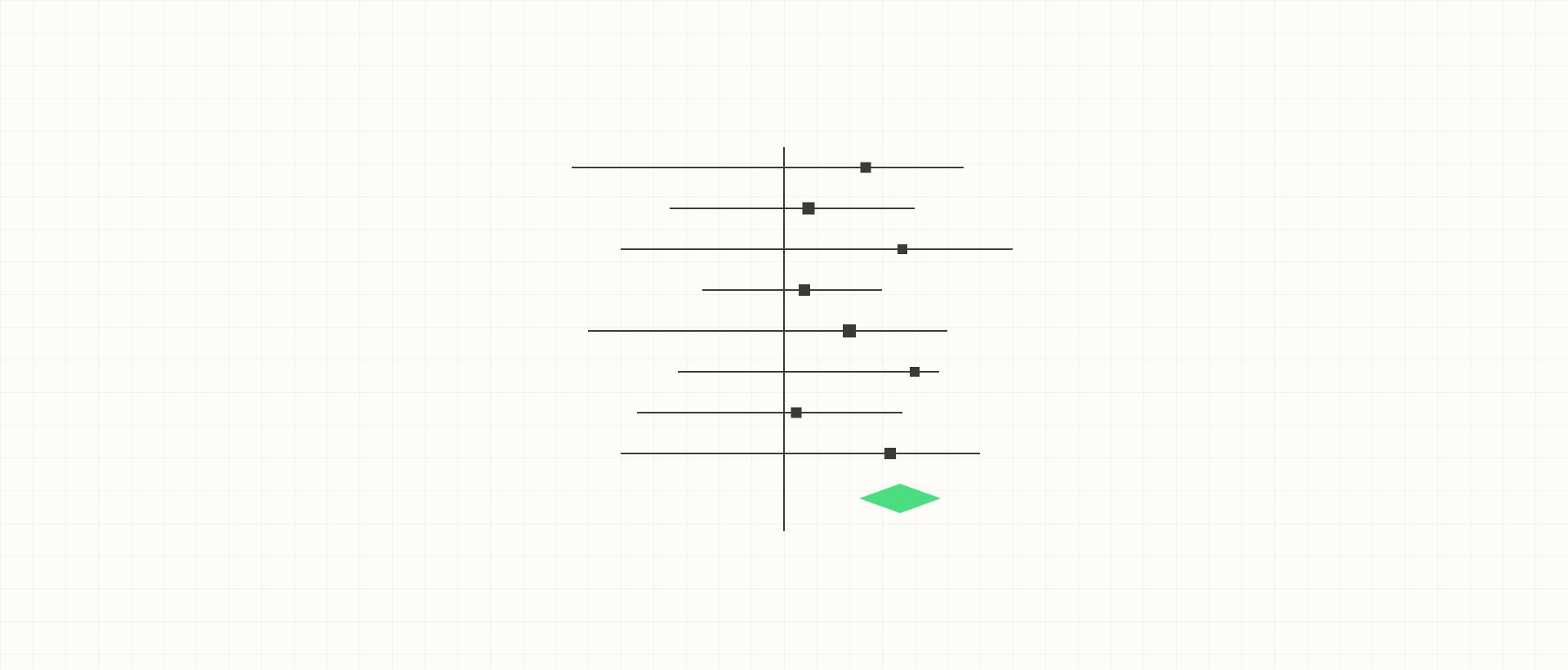
HRV biofeedback is training in slow breathing, usually near a person's resonance rate, while watching heart rhythm on a screen in real time. It is used to reduce stress and to support mood and cardiovascular health. Meta-analyses report moderate-to-large improvements in self-reported stress and anxiety and smaller ones in depressive symptoms and blood pressure, but most trials are small and hard to blind. It does not by itself establish that the on-screen feedback adds benefit beyond slow breathing alone.
Key points
- HRV biofeedback is slow, paced breathing, usually near a person's resonance rate, practised while watching heart rhythm in real time, typically over several weeks of sessions and home practice.
- Pooled trials show the clearest benefit for self-reported stress and anxiety, a moderate benefit for depressive symptoms, and smaller or less certain effects on blood pressure, sleep, performance and cognition.
- The overall effect is small to moderate and similar to that of other effective approaches, and it is smaller against active control conditions than against no treatment.
- Slow breathing without feedback already raises vagally mediated heart rate variability, and trials that isolate the contribution of the feedback itself are scarce.
- Most trials are small, use different protocols and are hard to blind, and many carry a risk of bias, so effect sizes may shrink as better trials arrive.
- HRV biofeedback is studied as a complementary training method, not as a stand-alone treatment, and it does not replace care for a clinical condition.
- Most studies used laboratory equipment; how well the findings carry over to watches and phone cameras has not been tested directly.
What is HRV biofeedback?
HRV biofeedback is training in slow, paced breathing while watching your own heart rhythm on a screen in real time. It is a form of cardiorespiratory feedback training: the screen shows the heart speeding up on the in-breath and slowing on the out-breath, and the person learns to breathe so that these swings become large and smooth [S1].
The classic protocol has three parts:
- Find the resonance rate. A practitioner compares several slow breathing rates and picks the one that produces the greatest heart-rate oscillations [S2] — for most adults near about 5.5–6 breaths per minute (around 0.1 Hz).
- Breathe with feedback. In sessions, the person breathes at that rate while a sensor and a screen show the heart rhythm, so they can see what the breath is doing.
- Practise over weeks. Programmes typically combine a course of sessions with daily home practice; in pooled trials, the number of sessions and weeks did not clearly change the size of the effect [S3].
It has been studied for conditions as varied as asthma and depression, and for performance [S1]. Practical guidance lives in HRV biofeedback, find your resonance breathing rate and the resonance breathing guide; this page is about what the research shows.
How does it work?
Briefly: slow breathing near the resonance rate brings breathing, heart rate and blood pressure into step, and the blood-pressure reflex (the baroreflex) amplifies the heart-rate swings. The full mechanism is on how breathing changes HRV, and the breath-linked rhythm itself on respiratory sinus arrhythmia.
How this physiology might lead to less stress or better mood is a separate, less settled question. The most supported proposal involves training of the baroreceptor pathway and its links to the brain [S1] — a proposed mechanism, not an established one.
How is it measured?
Studies of HRV biofeedback measure two different things, and it helps to keep them apart:
- Outcomes — what the training is for: stress and anxiety questionnaires, depression scales, blood pressure, sleep ratings, sport or cognitive tests.
- Physiology — heart rate variability during practice and at rest, sometimes baroreflex measures.
A higher heart rate variability during slow breathing is expected from the breathing itself; it is not evidence that an outcome has improved. In one trial, higher breathing-related heart rate variability during practice did not systematically go with larger psychological benefits [S12], and a four-week programme did not change resting heart rate variability even though symptoms improved [S13].
The comparison condition matters as much as the measure. Effect sizes are larger against inactive controls — waiting lists, no training — than against active ones such as other relaxation methods, though significant for both [S3]. A true placebo is hard to build: participants know whether they are breathing slowly.
What affects it?
- The comparison. Inactive versus active control conditions change the size of the effect [S3].
- Population. Effects differ between healthy volunteers, people with anxiety or depression, patients with cardiovascular disease and athletes; the strongest psychological effects come from self-report in mostly small trials [S4].
- Protocol. Resonance assessment, session count, home-practice dose and equipment all differ between studies. In remote programmes, maximising resonance and having a screen on the device were among the features associated with better results [S6]; in cognitive studies, efficacy was not related to the duration or intensity of the intervention [S9].
- Questionnaire and timing. In the depression meta-analysis, the questionnaire used and the publication year moderated the effect [S5].
What does the evidence show?
Overall: established, with a modest size. A systematic review and meta-analysis of 58 randomized controlled studies across many outcomes found a small to moderate effect favouring HRV biofeedback, similar to that of other effective treatments [S3]. The authors describe it as useful as a complementary treatment and call for more research for particular applications [S3].
Stress and anxiety: context-dependent. A meta-analysis of 24 studies with 484 participants found that the training was associated with a large reduction in self-reported stress and anxiety, while noting that more well-controlled studies are needed [S4]. A newer meta-analysis of remotely delivered programmes did not find a significant effect on stress [S6]. The benefit is clearest for self-reported symptoms in small trials.
Depressive symptoms: context-dependent. A meta-analysis of 14 randomized controlled trials with 794 participants in adults found a medium mean effect, with moderate heterogeneity and a prediction interval that crosses zero [S5]. Remote programmes showed a medium effect on depression as well [S6]. In patients with cardiovascular disease, by contrast, depression and anxiety did not improve significantly [S7].
Blood pressure: emerging. In patients with cardiovascular disease, a meta-analysis of 13 randomized controlled trials with 965 participants found modest decreases in systolic and diastolic blood pressure, with most trials at some or high risk of bias [S7]. Practical angles are in slow breathing and high blood pressure.
Sleep: emerging, small. Sleep is among the outcomes with the smallest effects in the broad meta-analysis [S3], and positive sleep findings in chronic-disease studies come from a narrative review without pooled estimates [S10]. No dedicated sleep meta-analysis was found.
Sport and cognitive performance: emerging. A systematic review in sport found only a few studies, all with small samples, most reporting benefits [S8]. In cognitive studies, about half reported a significant benefit on at least one executive function, most often attention [S9].
Other conditions: emerging. A systematic review in chronic disease reported that the training was feasible without adverse effects and found positive results across hypertension, asthma, depression and anxiety, sleep disturbances, cognitive performance and pain, and asked for confirmation [S10].
Does the feedback itself add anything? Debated. This is the central open question. Slow breathing is associated with higher vagally mediated HRV; whether a longer exhale adds anything beyond slowing the breath is still debated. Without any feedback screen, a large meta-analysis found these increases during practice, right after a single session and after multi-session programmes [S11]. Trials that isolate the screen are scarce:
- Against a sham version of biofeedback, real biofeedback improved positive affect and reduced depression scores in healthy adults, but did not change autonomic measures [S12]. The abstract does not say exactly what the sham kept or removed.
- In one randomized trial, biofeedback at an individually selected resonance rate did not outperform biofeedback at a fixed slow rate; the authors say their trial does not permit firm conclusions [S13]. This is the result of a single study, not a settled answer.
- Remote programmes with a screen on the device tended to do better, but that is an association across studies, not a test [S6].
The most defensible reading today: the slow breathing likely does much of the physiological work; the feedback may help people learn the technique and keep practising, but how much it adds on its own is not settled. The effects of slow breathing without feedback are covered in slow breathing: what the evidence shows.
What remains uncertain.
- Whether the psychological effects hold in large, well-controlled trials with credible active or sham comparisons [S3] [S4] [S12].
- How much the on-screen feedback adds beyond slow breathing [S11] [S12] [S13].
- Whether individual resonance assessment matters for outcomes; so far one randomized trial found no advantage [S13].
- How long benefits last after practice stops.
What it does not tell you
- It is not a treatment on its own. The research describes HRV biofeedback as a complementary method [S3]. It does not replace psychotherapy, medication or medical care for anxiety, depression, high blood pressure or any other clinical condition, and nothing here means "stop your treatment".
- A higher number during practice is not proof of benefit. Heart rate variability rises with slow breathing by design [S11]; psychological gains did not track it closely in one trial [S12], and resting values did not change in another [S13].
- The effect sizes are not final. Most trials are small, protocols differ, blinding is hard and many studies carry a risk of bias [S7] [S8] [S9]; estimates may shrink as better trials arrive.
- It is not a readout of vagal tone. Vagal tone cannot be measured directly; HRV measures such as RMSSD reflect vagally mediated changes in heart rate.
- Laboratory results may not carry over to wearables. Most trials used laboratory sensors and software. Watches, rings and phone cameras estimate heart rhythm from the pulse, which is related to but not identical with the electrical signal [S14] — see can you trust HRV from a smartwatch. Whether biofeedback delivered through these devices produces the same outcomes has not been tested directly; the meta-analysis of remote programmes is the closest evidence [S6].
- Symptoms need a clinician. Chest pain, fainting, severe breathlessness or palpitations with dizziness need medical attention, not a breathing session. For how breathing practice compares with meditation, see meditation vs breathwork.
In ONDA
ONDA is a guided-breathing app with real-time heart-rhythm feedback. During practice, the iPhone camera shows live pulse and a breathing-rate estimate, and an Apple Watch adds a live coherence score — ONDA's own measure of how smooth and rhythmic the heart-rhythm oscillation is, not a clinical heart-rate-variability measurement. Guidance is spoken and visual rather than a fixed numeric breathing pacer, so ONDA is not the laboratory protocol tested in the studies above. ONDA has no study of its own effectiveness, and the findings on this page do not show what ONDA does or does not achieve. ONDA does not diagnose or treat any condition. See Apple Watch HRV biofeedback and what ONDA measures.
Educational information, not a diagnosis or medical treatment.
Evidence at a glance
| Claim | Evidence | Limitation |
|---|---|---|
| HRV biofeedback is a form of cardiorespiratory feedback training that has been studied for conditions as varied as asthma and depression. [S1] | Established | A narrative review by leading researchers in the field; it describes the method and its proposed mechanisms, not pooled outcomes. |
| The classic protocol first finds the breathing rate that produces the greatest heart-rate oscillations, by stimulating the baroreflex. [S2] | Context-dependent | A methods review; assessment procedures and criteria differ between laboratories. |
| The most supported proposed mechanism involves the baroreceptor pathway. [S1] | Emerging | A proposed mechanism; the chain from baroreflex training to symptom change is not established. |
| A broad meta-analysis of randomized controlled studies across many outcomes found a small to moderate effect favouring HRV biofeedback, similar to other effective treatments. [S3] | Established | Pools very different outcomes, populations and protocols; outcome-specific estimates rest on few studies each. |
| Effects were largest for anxiety, depression, anger and athletic or artistic performance, and smallest for PTSD, sleep and quality of life, each based on a small number of studies. [S3] | Emerging | Ranking by outcome rests on a small number of studies per outcome. |
| Effect sizes were larger against inactive than against active control conditions, though significant for both. [S3] | Established | Active controls differ between trials; the comparison does not isolate which component does the work. |
| The authors describe HRV biofeedback as useful as a complementary treatment and call for further research for particular applications. [S3] | Established | The authors' own framing; it is not a guideline recommendation. |
| A meta-analysis of HRV biofeedback for stress and anxiety pooled studies of people who received the training. [S4] | Established | Mostly small studies; numbers describe the pooled literature, not one trial. |
| HRV biofeedback training was associated with a large reduction in self-reported stress and anxiety, while more well-controlled studies are needed. [S4] | Context-dependent | Self-reported outcomes in mostly small trials; the authors themselves call for better controls. |
| A meta-analysis of randomized controlled trials on depressive symptoms in adults found a medium mean effect with moderate heterogeneity. [S5] | Context-dependent | The prediction interval crosses zero, so the effect may not appear in every setting; outcome questionnaires differed. |
| Heterogeneity across the depression trials was moderate. [S5] | Context-dependent | Moderators included publication year and the questionnaire used, which complicates a single summary estimate. |
| A meta-analysis of remotely delivered HRV biofeedback found medium effects on depression and on heart rate variability, while the effect on stress was not significant. [S6] | Emerging | Remote programmes vary widely; high heterogeneity; sleep was a listed outcome but no pooled sleep result is reported in the abstract. |
| In remote programmes, maximising resonance and having a screen on the device were among the features associated with better effectiveness. [S6] | Emerging | Meta-regression across studies; associations between study features and results, not tests of those features. |
| In patients with cardiovascular disease, a meta-analysis of randomized controlled trials found modest decreases in systolic and diastolic blood pressure. [S7] | Emerging | Patients with cardiovascular disease only; most included trials had some concerns or a high risk of bias. |
| In the cardiovascular meta-analysis, depression and anxiety showed no significant improvement, and most studies were rated as having concerns or high risk of bias. [S7] | Emerging | Few trials per psychological outcome in this population. |
| A systematic review of HRV biofeedback in sport included only a few studies, all with small samples. [S8] | Emerging | Experimental, quasi-experimental and case-report designs; no pooled effect size. |
| A systematic review of executive functions found that about half of the included studies reported a significant benefit on at least one function, most often attention. [S9] | Emerging | Controlled and uncontrolled trials, mixed populations, inconsistent reporting of effect sizes. |
| The cognitive review calls for standardized, controlled protocols and consistent reporting of effect sizes. [S9] | Established | The authors' own methodological assessment. |
| A systematic review in chronic disease reported feasibility without adverse effects and positive findings across several conditions, including hypertension, asthma, depression and anxiety, sleep disturbances, cognitive performance and pain. [S10] | Emerging | Narrative synthesis without pooled effect sizes; included studies with and without control conditions. |
| The chronic-disease review states further investigations are required to confirm the results and identify the most effective method. [S10] | Established | The authors' own conclusion. |
| Slow breathing without feedback raises vagally mediated heart rate variability during practice, right after one session and after multi-session programmes. [S11] | Established | Heart rate variability changes, not health outcomes; very heterogeneous protocols. |
| The slow-breathing meta-analysis describes voluntary slow breathing as a low-tech, low-cost technique with few adverse effects expected. [S11] | Context-dependent | An authors' recommendation based on a heart-rate-variability meta-analysis, not on outcome trials. |
| Against a sham condition, HRV biofeedback improved positive affect and reduced depression scores in healthy adults but did not change autonomic measures. [S12] | Emerging | A single small trial in healthy adults; the abstract does not specify what the sham condition kept or removed. |
| In that trial, higher breathing-related heart rate variability during practice did not systematically go with larger psychological benefits. [S12] | Emerging | Exploratory analysis in a small sample. |
| In one randomized trial, biofeedback at an individually selected resonance rate and at a fixed slow rate both reduced stress, anxiety and depressive symptoms against a control group, with no meaningful difference between them. [S13] | Emerging | One retrospectively registered trial; the authors say it does not permit firm conclusions about the difference. |
| The four-week intervention did not produce significant changes in resting heart rate variability. [S13] | Emerging | One trial with a short intervention; resting HRV may need longer to change, if it changes. |
| Pulse-based readings from optical sensors are related to, but not identical with, ECG-based heart rate variability. [S14] | Established | Concerns measurement agreement at rest in healthy people, not whether biofeedback outcomes transfer. |
| Across the randomized studies, the number of treatment sessions or weeks did not significantly change the effect. [S3] | Emerging | A moderator analysis across heterogeneous studies; it does not define an optimal dose. |
| In the cognitive review, efficacy was related neither to the duration or intensity of the intervention nor to the technical equipment. [S9] | Emerging | Narrative comparison across a small, mixed set of studies. |
| In the depression meta-analysis, publication year and the questionnaire used moderated the effect. [S5] | Context-dependent | Meta-regression on a small number of trials. |
Sources
- [S1] Lehrer & Gevirtz (2014). Heart rate variability biofeedback: how and why does it work?. Frontiers in Psychology. DOI 10.3389/fpsyg.2014.00756 · PMID 25101026
- [S2] Shaffer & Meehan (2020). A practical guide to resonance frequency assessment for heart rate variability biofeedback. Frontiers in Neuroscience. DOI 10.3389/fnins.2020.570400 · PMID 33117119
- [S3] Lehrer et al. (2020). Heart Rate Variability Biofeedback Improves Emotional and Physical Health and Performance: A Systematic Review and Meta Analysis. Applied Psychophysiology and Biofeedback. DOI 10.1007/s10484-020-09466-z · PMID 32385728
- [S4] Goessl, Curtiss & Hofmann (2017). The effect of heart rate variability biofeedback training on stress and anxiety: a meta-analysis. Psychological Medicine. DOI 10.1017/S0033291717001003 · PMID 28478782
- [S5] Pizzoli et al. (2021). A meta-analysis on heart rate variability biofeedback and depressive symptoms. Scientific Reports. DOI 10.1038/s41598-021-86149-7 · PMID 33758260
- [S6] Vann-Adibe et al. (2026). Efficacy and Methodology of Remote Heart Rate Variability Biofeedback Interventions for Mental Health: A Systematic Review and Meta-Analysis. Applied Psychophysiology and Biofeedback. DOI 10.1007/s10484-025-09750-w · PMID 41310318
- [S7] Kaneko et al. (2026). Effects of Heart Rate Variability Biofeedback on Cardiac Autonomic Function in Patients with Cardiovascular Disease: A Systematic Review and Meta-analysis. Applied Psychophysiology and Biofeedback. DOI 10.1007/s10484-025-09765-3 · PMID 41501316
- [S8] Jiménez Morgan & Molina Mora (2017). Effect of Heart Rate Variability Biofeedback on Sport Performance, a Systematic Review. Applied Psychophysiology and Biofeedback. DOI 10.1007/s10484-017-9364-2 · PMID 28573597
- [S9] Tinello, Kliegel & Zuber (2022). Does Heart Rate Variability Biofeedback Enhance Executive Functions Across the Lifespan? A Systematic Review. Journal of Cognitive Enhancement. DOI 10.1007/s41465-021-00218-3 · PMID 35299845
- [S10] Fournié et al. (2021). Heart rate variability biofeedback in chronic disease management: A systematic review. Complementary Therapies in Medicine. DOI 10.1016/j.ctim.2021.102750 · PMID 34118390
- [S11] Laborde et al. (2022). Effects of voluntary slow breathing on heart rate and heart rate variability: a systematic review and a meta-analysis. Neuroscience & Biobehavioral Reviews. DOI 10.1016/j.neubiorev.2022.104711 · PMID 35623448
- [S12] Minjoz et al. (2026). Psychophysiological effects of heart rate variability biofeedback versus sham biofeedback: A randomized controlled trial. Biological Psychology. DOI 10.1016/j.biopsycho.2026.109254 · PMID 41905438
- [S13] Sumińska, Rynkiewicz & Szulczewski (2026). Resonance frequency versus fixed 0.1 Hz breathing in HRV biofeedback: a four-week randomized comparison. Scientific Reports. DOI 10.1038/s41598-026-53333-6 · PMID 42156977
- [S14] Xu et al. (2026). Accuracy of photoplethysmography-derived pulse rate variability compared with electrocardiography-derived heart rate variability: a systematic review and meta-analysis. Sensors. DOI 10.3390/s26165192 · PMID 42655500
Related
- ScienceHow Breathing Changes HRV — and Why Slow Breathing Raises It
- ScienceRespiratory Sinus Arrhythmia: How Breathing Shapes Your Heart Rhythm
- ScienceHeart Rate Variability: What It Is, What It Reflects, What It Isn't
- ScienceCan You Trust HRV From a Smartwatch or Ring?
- ScienceSlow Breathing: What the Evidence Shows
- GlossaryBiofeedback
- GlossaryHeart Rate Variability
- ArticleHow to Find Your Resonance Breathing Rate
- ArticleMeditation vs Breathwork: Which Should You Choose?
- ToolResonance Breathing Rate Finder
How ONDA Science pages are made: every number comes from one checked list of facts, every claim is mapped to its sources and graded by strength of evidence, and sources need a DOI or PMID (manufacturer documentation is used only for device facts).