Stress & the Vagus Nerve
Chronic stress isn't only in your head — it's a nervous system stuck in "on." These guides explain how the vagus nerve, cortisol and the stress response work, why some people can't switch off, and what reliably brings the body back to calm: breathing, cold, nature, and a healthier relationship with your own signals.
Start here
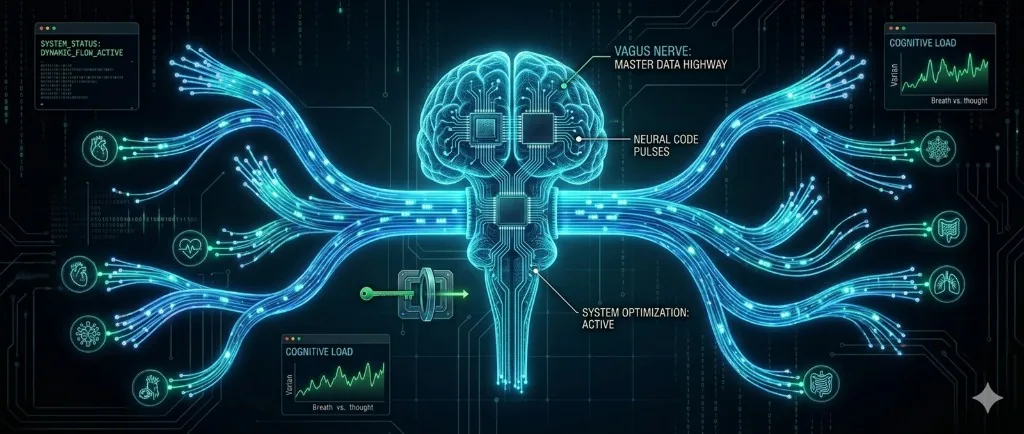
Vagus Nerve: The Body's Master Switch for Calm
How the vagus nerve regulates your stress response and recovery — and what slow, paced breathing can actually influence.
Read the guide →All Stress & the Vagus Nerve guides (21)
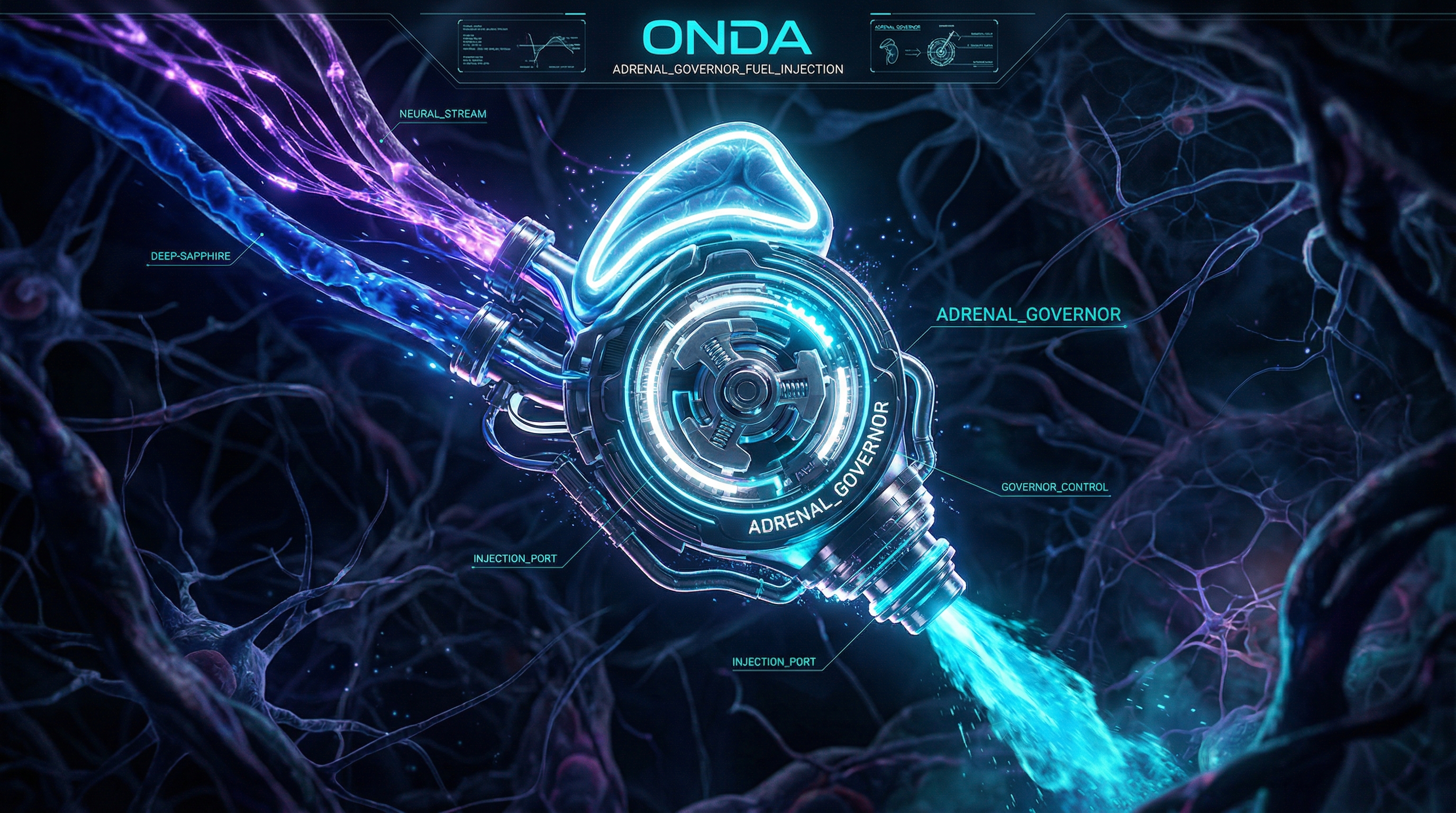
The Adrenal Governor: Protecting the System from Thermal Runaway
The adrenals are fuel injectors for cortisol and adrenaline — the problem is the brain keeps its foot on the gas. The ONDA Adrenal Governor uses HRV thresholding, Alpha-buffering, and anticipatory reset to filter stress signals before they reach the Redline and exhaust the endocrine system.
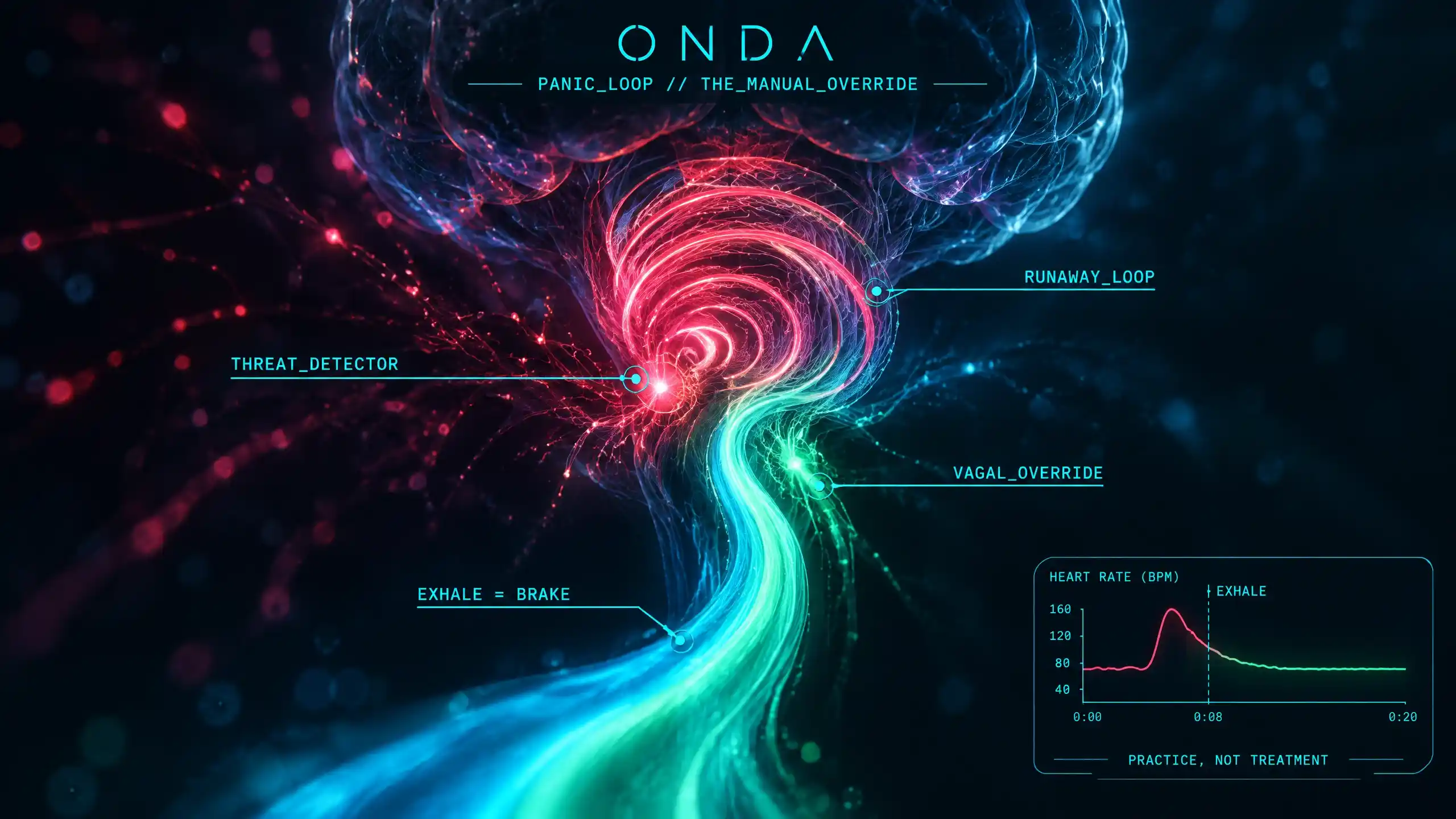
The False Alarm: How a Panic Attack Hijacks the Breath — and How the Breath Takes It Back
A short investigation into the physiology of anxiety and panic — the runaway feedback loop between breath, heart and threat-detection — and why slow, exhale-led breathing is one of the few levers you can pull mid-spiral.
Breathing Lowers Your Stress Hormones — Japanese Research on Cortisol
Beyond HRV, Japanese studies measured actual stress hormones: slow abdominal breathing significantly lowered cortisol, adrenaline and noradrenaline. The direct evidence and what it means.
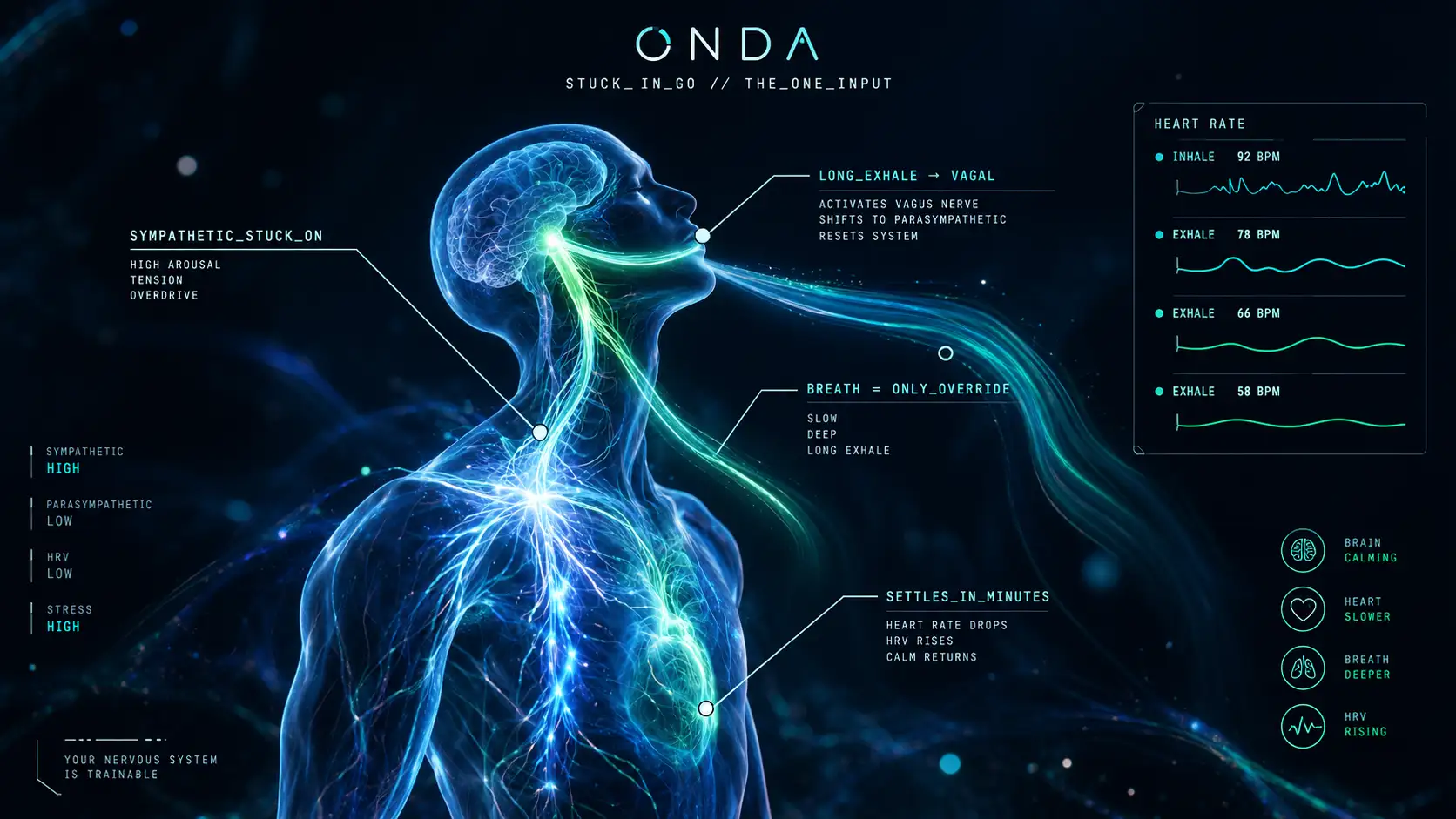
How to Calm Your Nervous System Down (Fast and For Real)
Feeling wired, on edge, unable to switch off after work? You can’t talk your nervous system into calm — but you can down-regulate it through the one input you control: the breath.
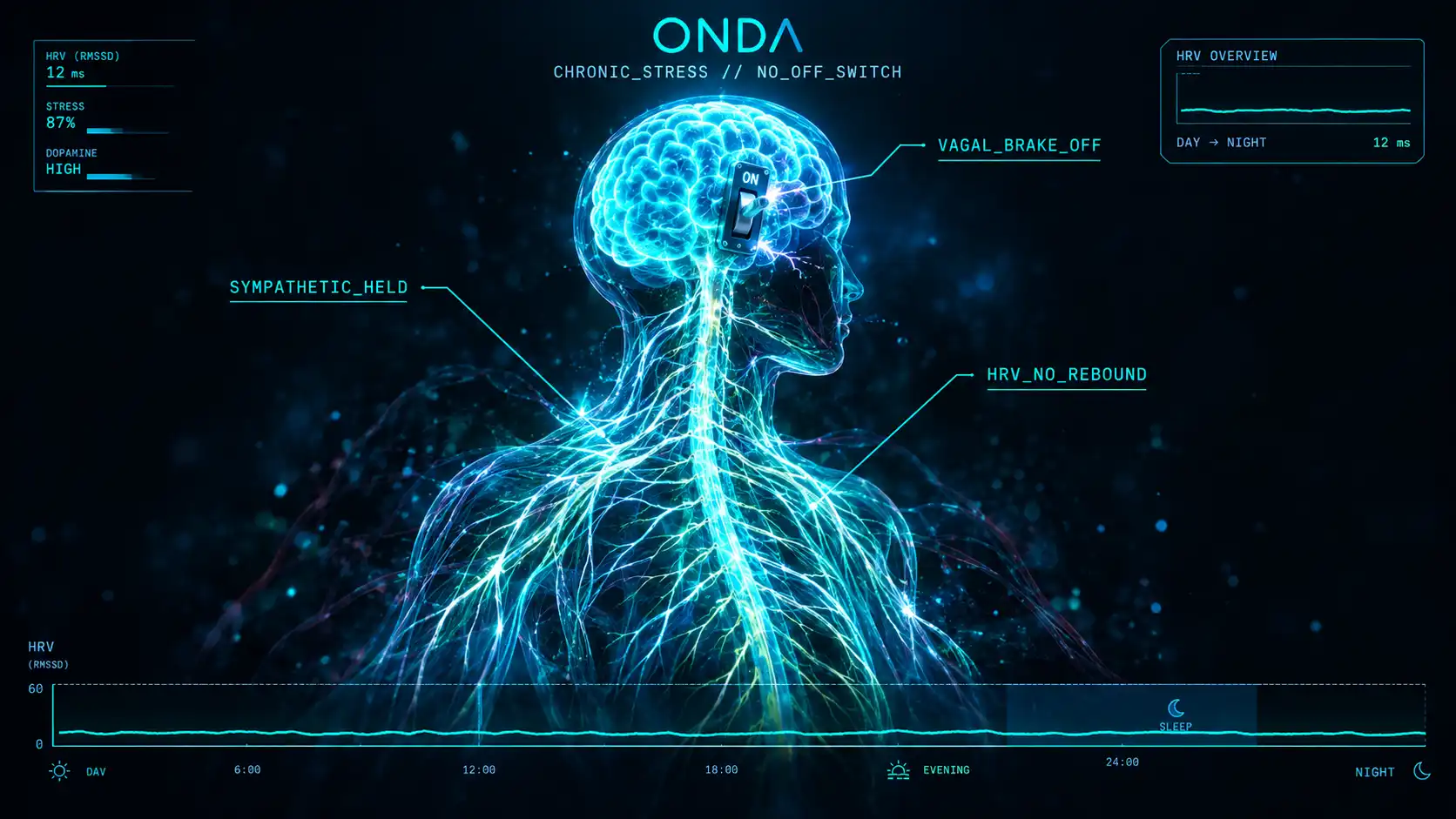
The Nervous System That Never Clocks Out
Chronic stress doesn’t stop when the workday does — it holds your HRV low through the evening and into sleep, so recovery never fully starts. Why the real question is whether your body ever switches off, and how to see it.
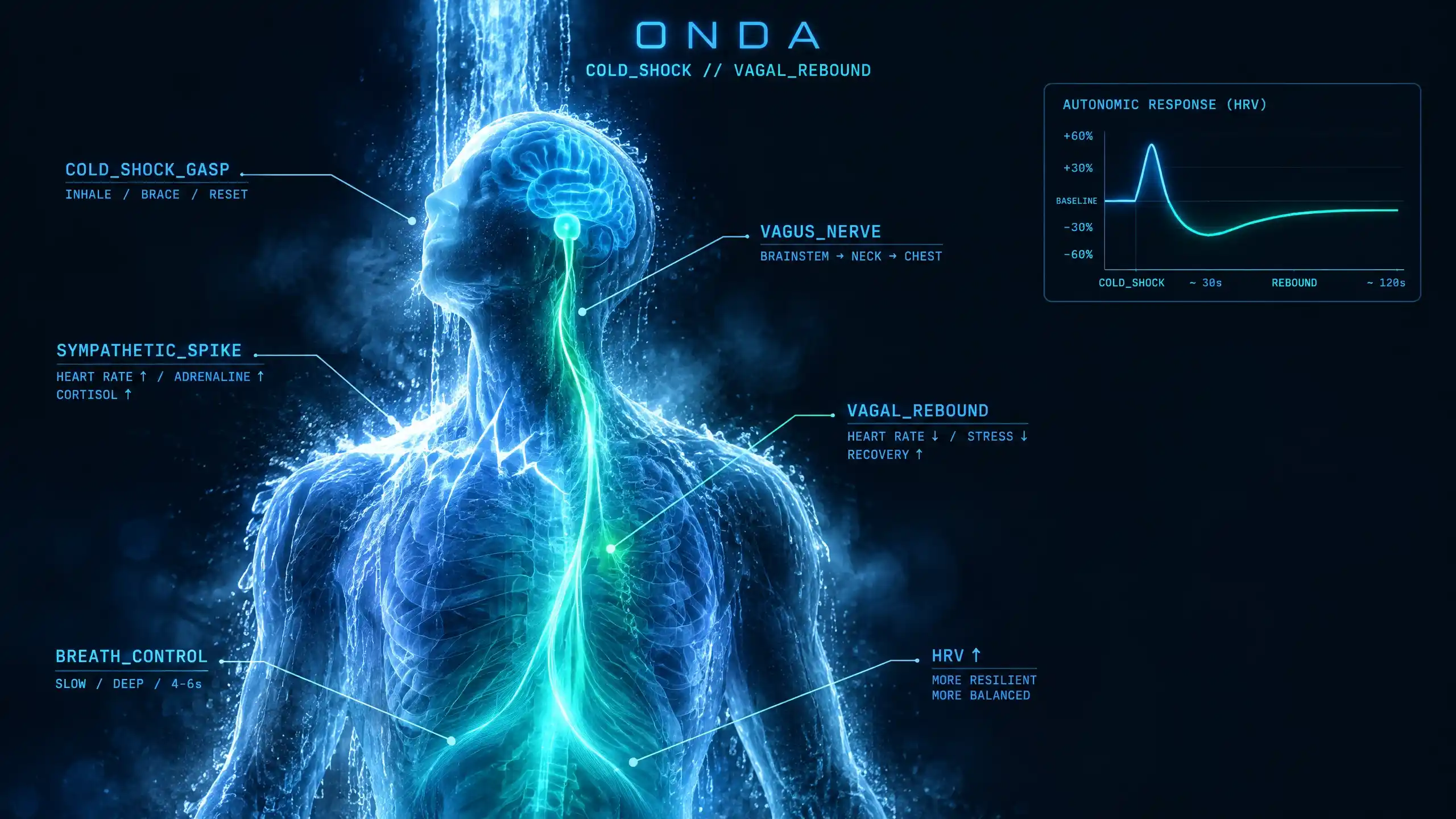
Cold and the Vagus Nerve: Why a Cold Shower Resets Your Nervous System
A cold shower hits like an alarm — then leaves you strangely calm. The reason is a sympathetic spike followed by a parasympathetic rebound, and the breath is the knob that controls both. The physiology, and how to use it.
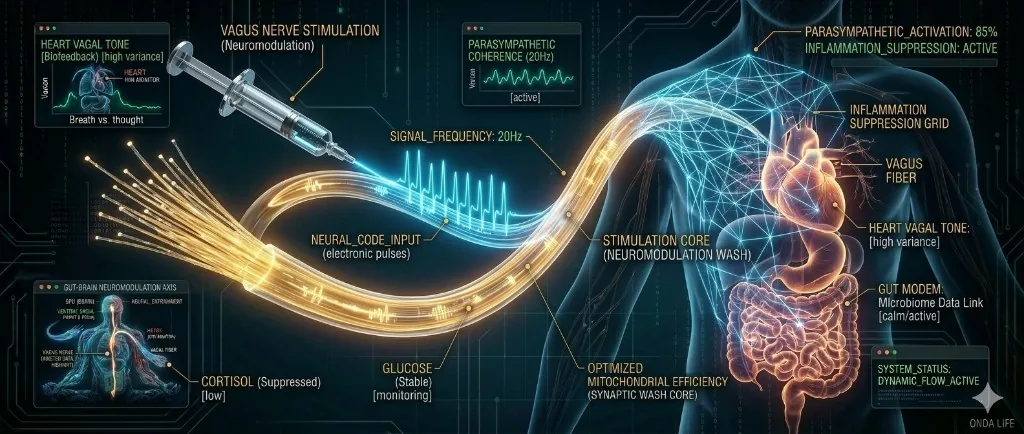
Electric Medicine: Neuromodulation
Direct access to your brain's Command Line: Vagus Nerve stimulation, tDCS for focus, and CES for sleep calibration via electromagnetic input.
Forest Bathing (Shinrin-yoku): What Japanese Research Actually Measured
Forest bathing lowers cortisol, blood pressure and sympathetic activity while boosting parasympathetic tone — Japanese studies across 38 forests measured exactly how much. The science of shinrin-yoku.
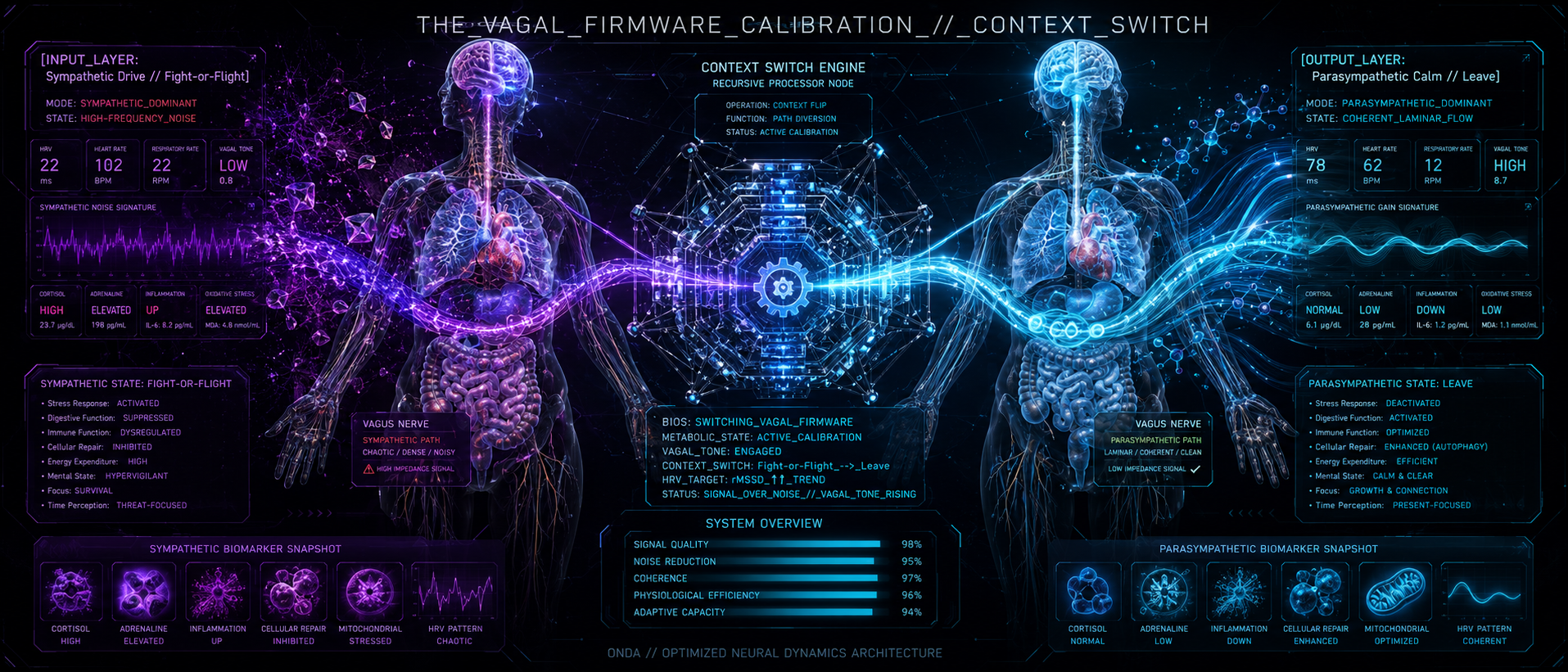
How to Lower Cortisol: What Actually Works
You can’t "detox" cortisol — but you can lower chronically high levels. The evidence-based levers: sleep, slow breathing, movement and stress load. Here’s how.
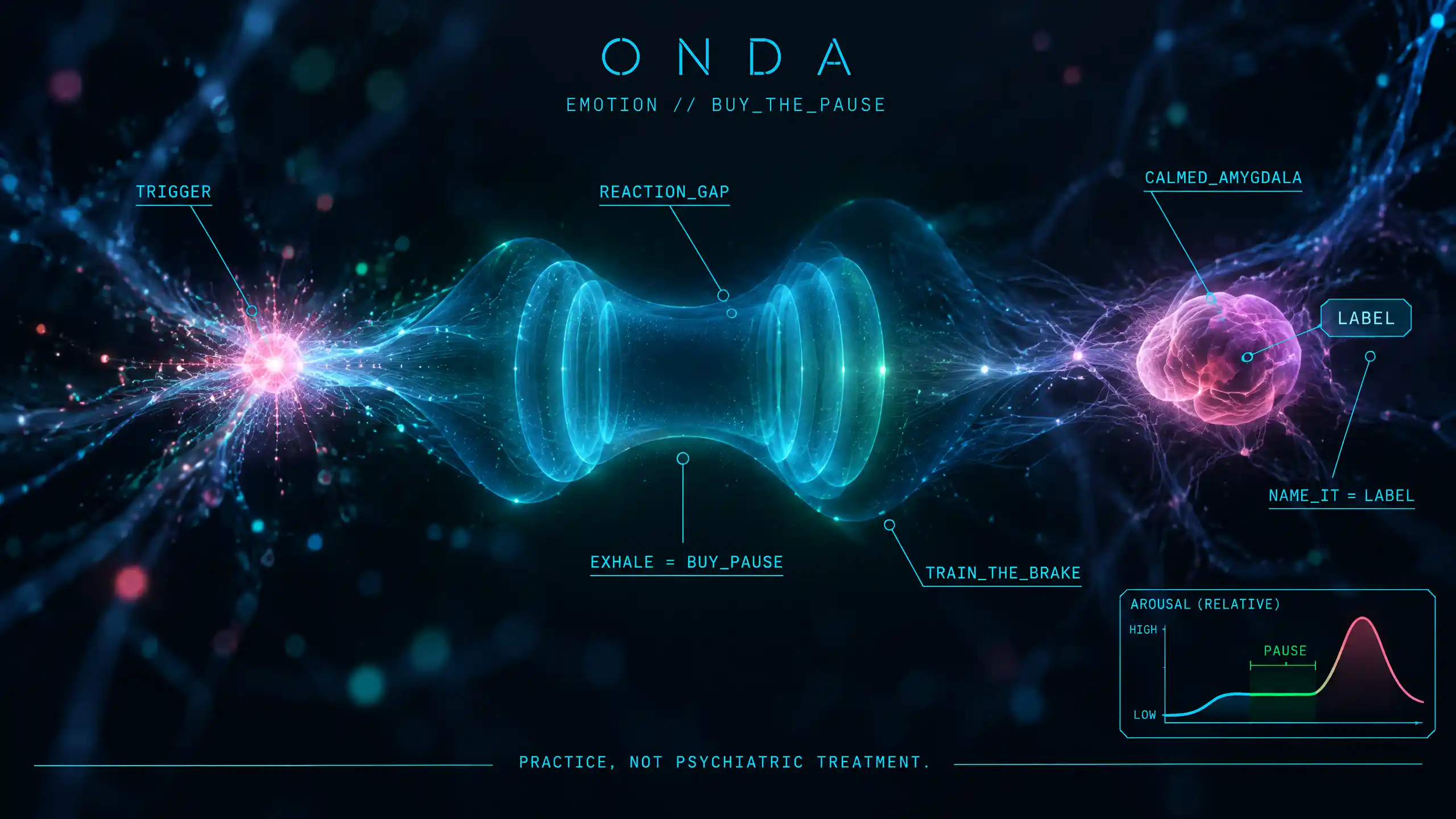
How to Regulate Your Emotions (The Body-First Way)
Emotional regulation isn’t about suppressing feelings or thinking harder — it’s a trainable skill built on the body. How the breath buys the pause between trigger and reaction, and how to train it.
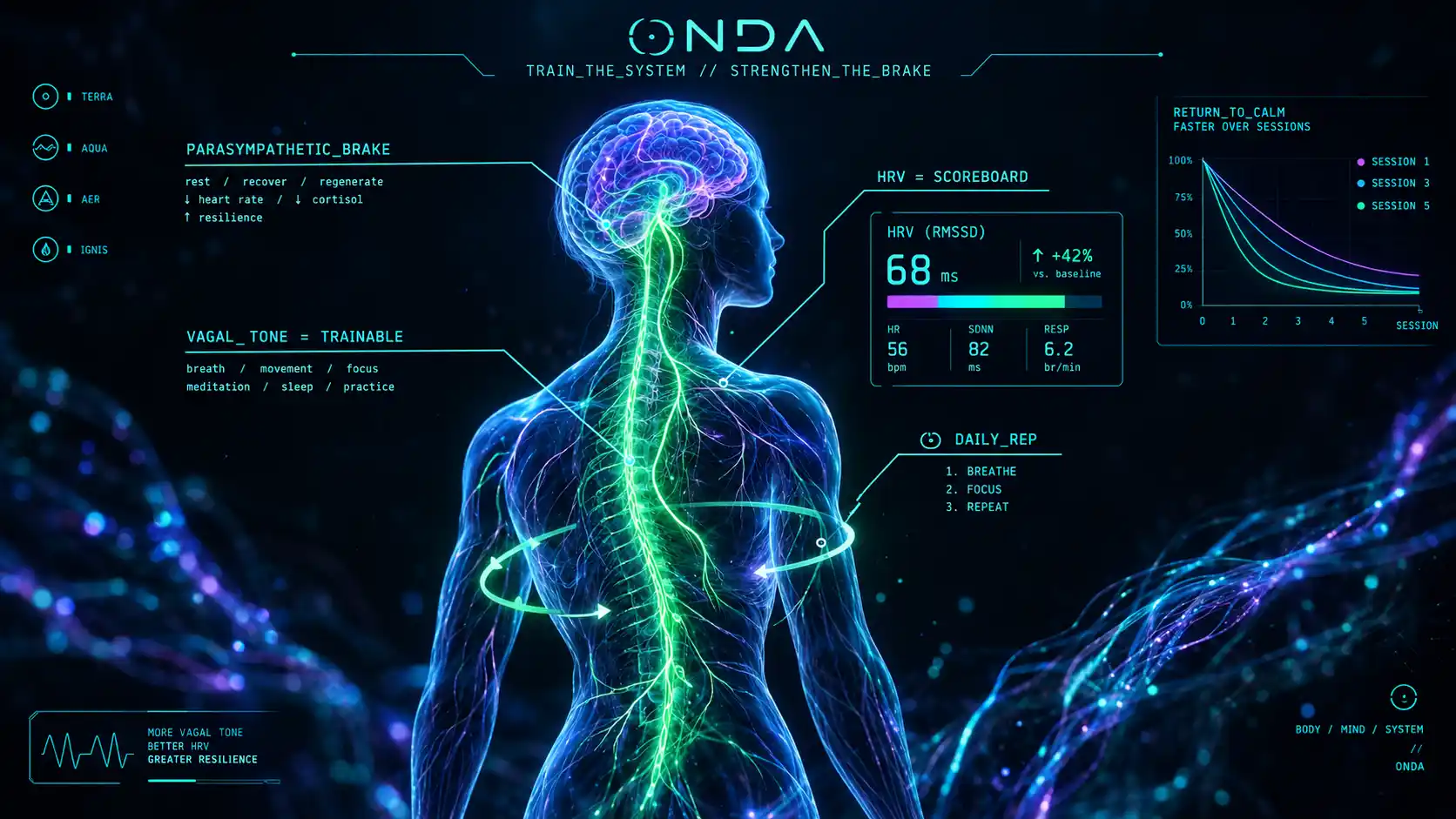
How to Train Your Nervous System
Your nervous system isn’t fixed — the skill of shifting from stressed to calm is trainable like any other. The levers that build autonomic regulation, and how to practise it with feedback.
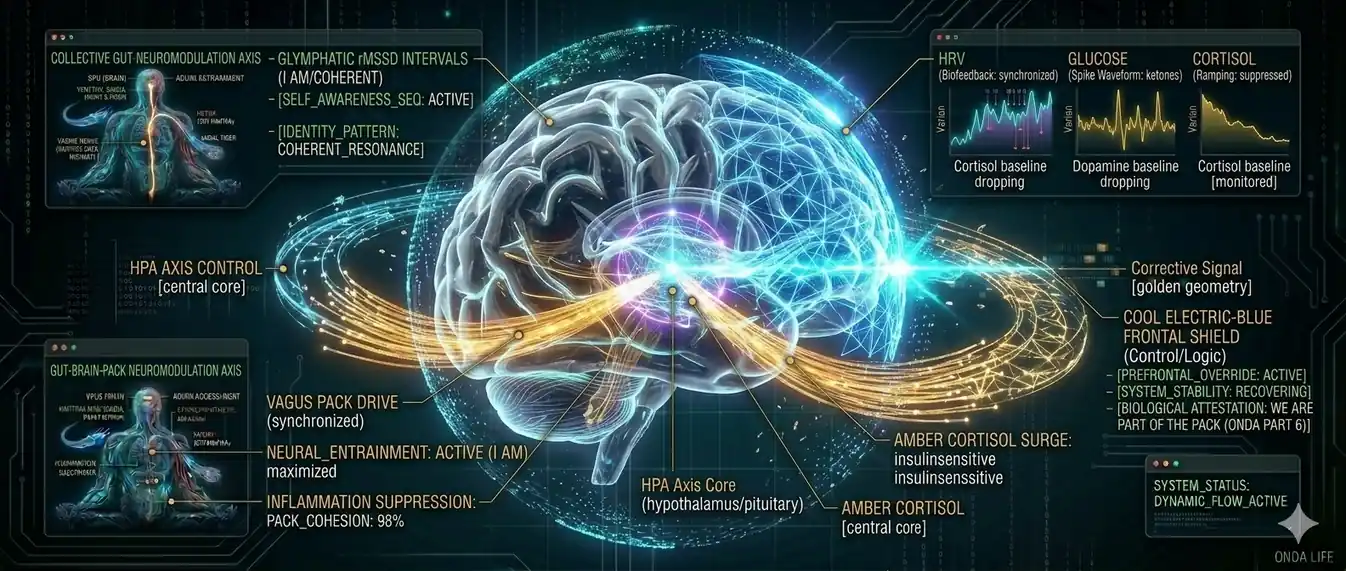
HPA Axis Control: Cortisol & Aggression
Master your stress architecture. Learn how to manage the HPA axis, cortisol spikes, and reactive aggression using ONDA neuro-protocols.
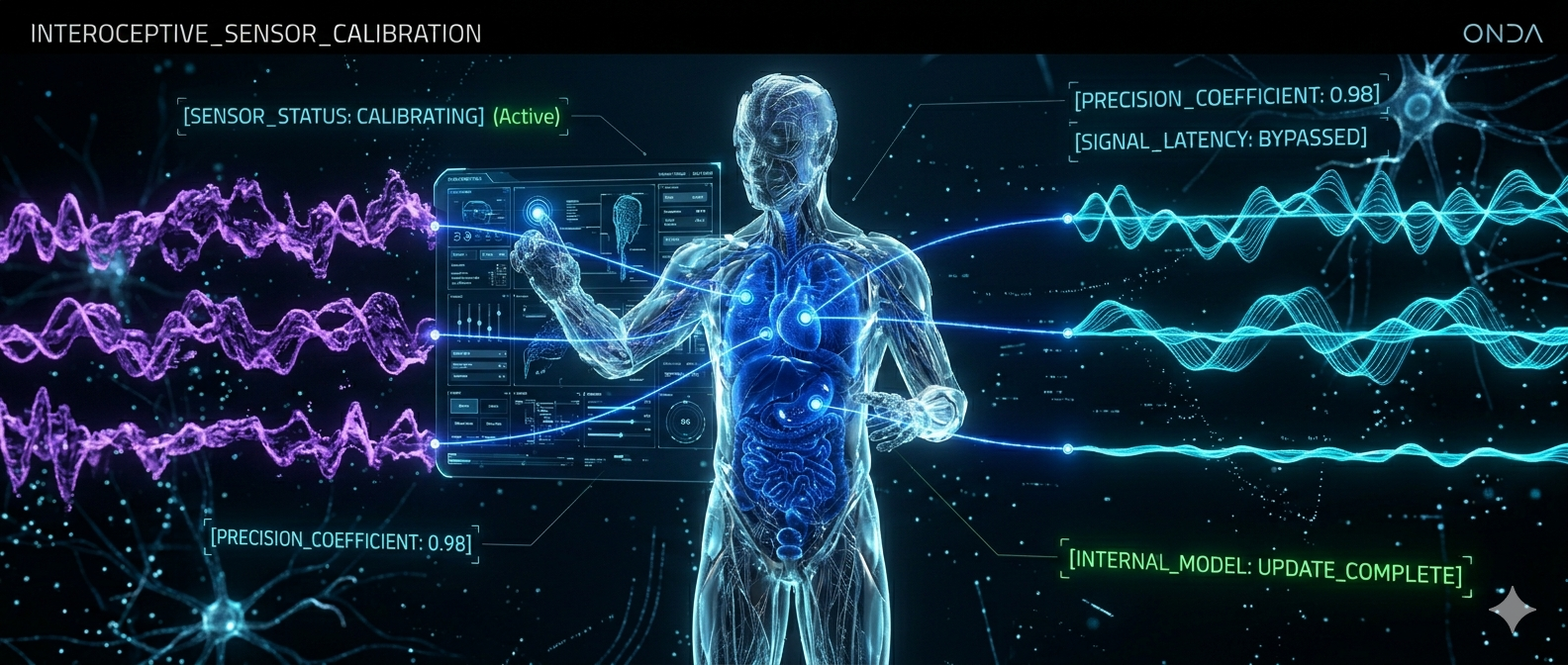
Interoceptive Precision: Calibrating the Internal Sensors
Your body transmits millions of real-time signals. Most people never read them. ONDA upgrades your interoceptive resolution from blurry static to a high-definition 4K data stream.
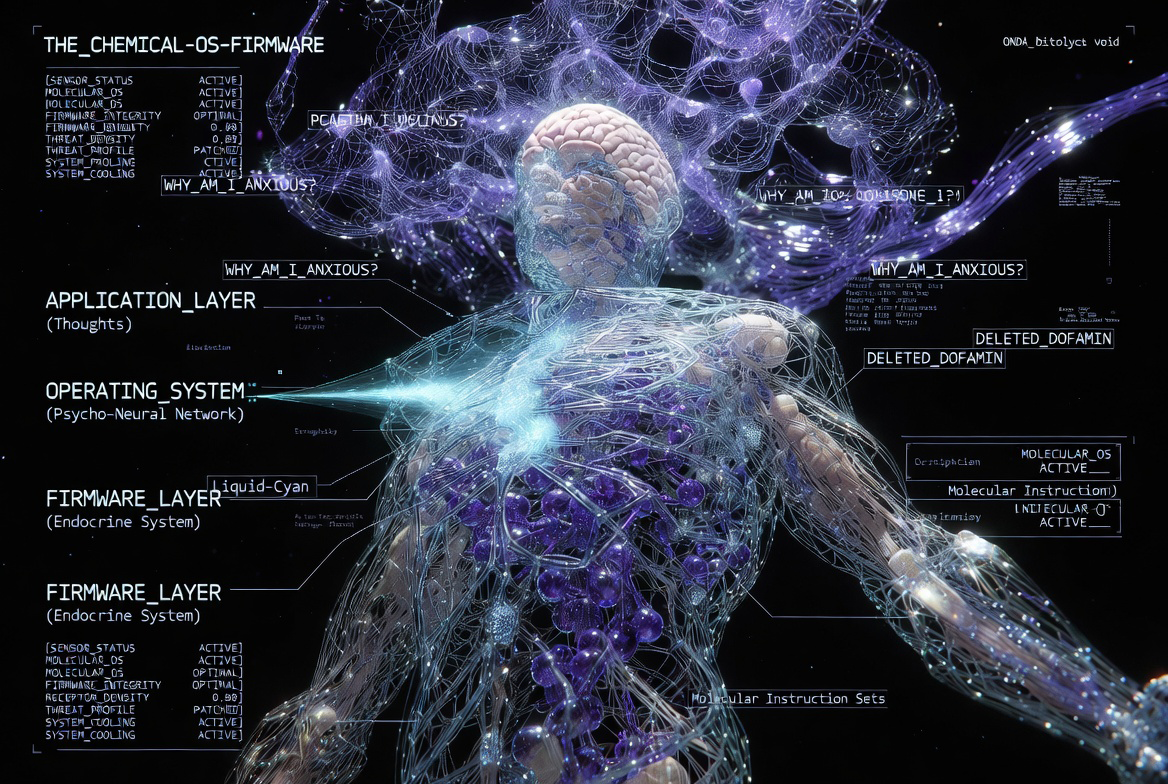
Molecular Psychology: The Firmware Beneath Your Emotions
Every emotion is a molecule docking into a receptor. Molecular Psychology treats the psyche as a chemical operating system you can learn to read and patch.
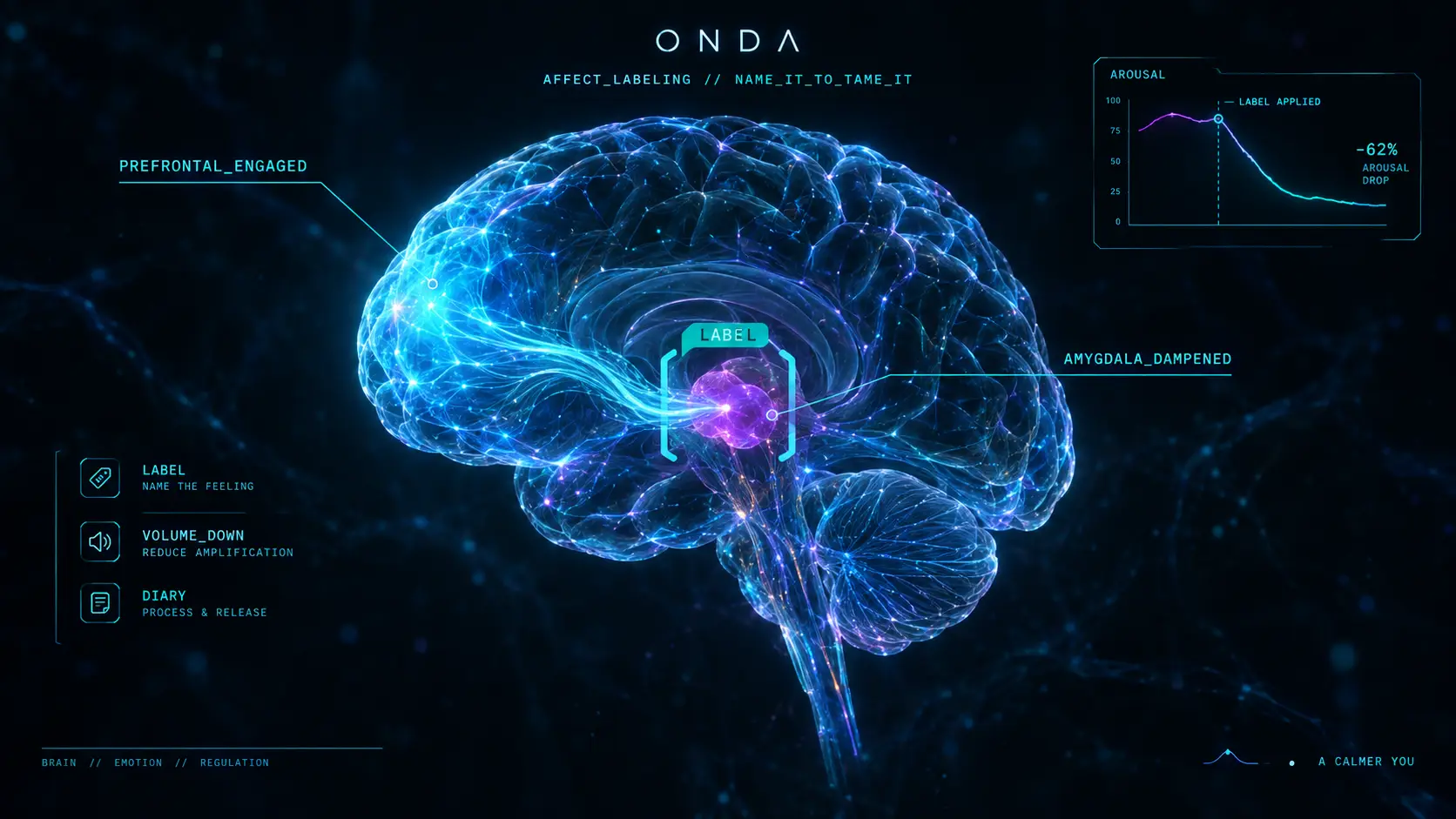
Name It to Tame It: Why Writing a Feeling Down Turns the Volume Down
Putting a feeling into words measurably lowers its intensity — a phenomenon called affect labeling. Why naming what you feel downregulates the threat response, and how a two-line diary turns it into a daily practice.
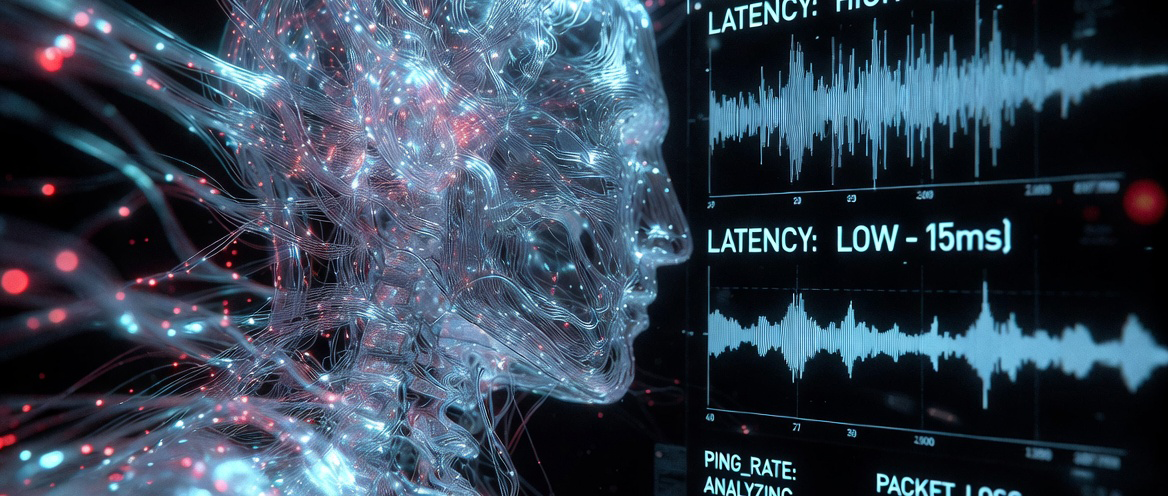
Beyond the Pulse: Is Your Nervous System Lagging?
Your autonomic nervous system has a ping rate. High HRV = low latency, fast recovery. Low HRV = biological packet loss. The ONDA latency audit uses resonant frequency breathing and VNS to rewrite the network protocol.
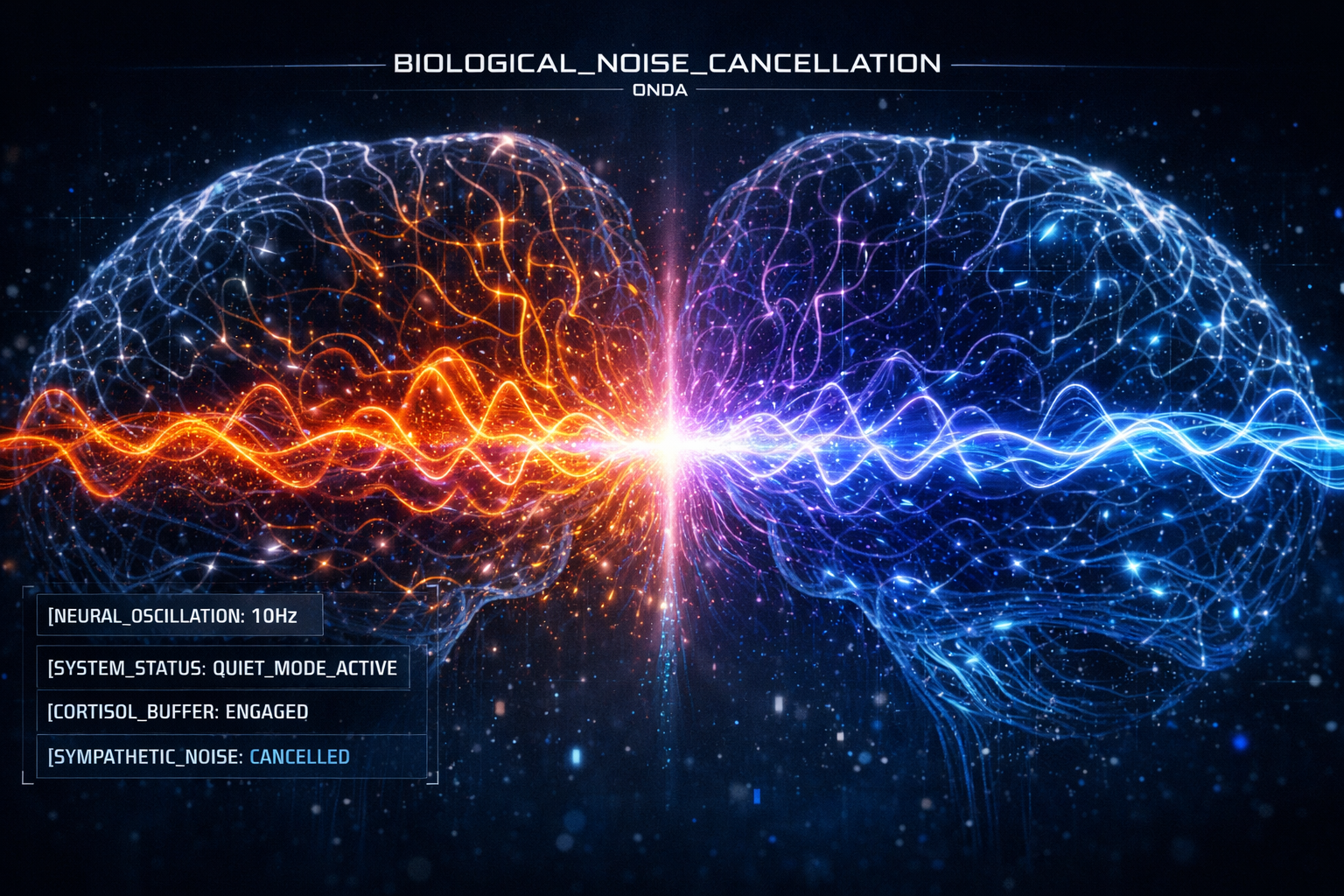
Quiet Mode Protocol: Alpha Rhythms as a Biological Damper
Alpha waves (8–12 Hz) are the brain's active noise-cancellation system — suppressing sympathetic arousal, buffering cortisol, and filtering amygdala reactivity. The ONDA Quiet Mode Protocol uses exhale extension, peripheral awareness, and the Alpha-Drop to reset the system before thermal runaway.
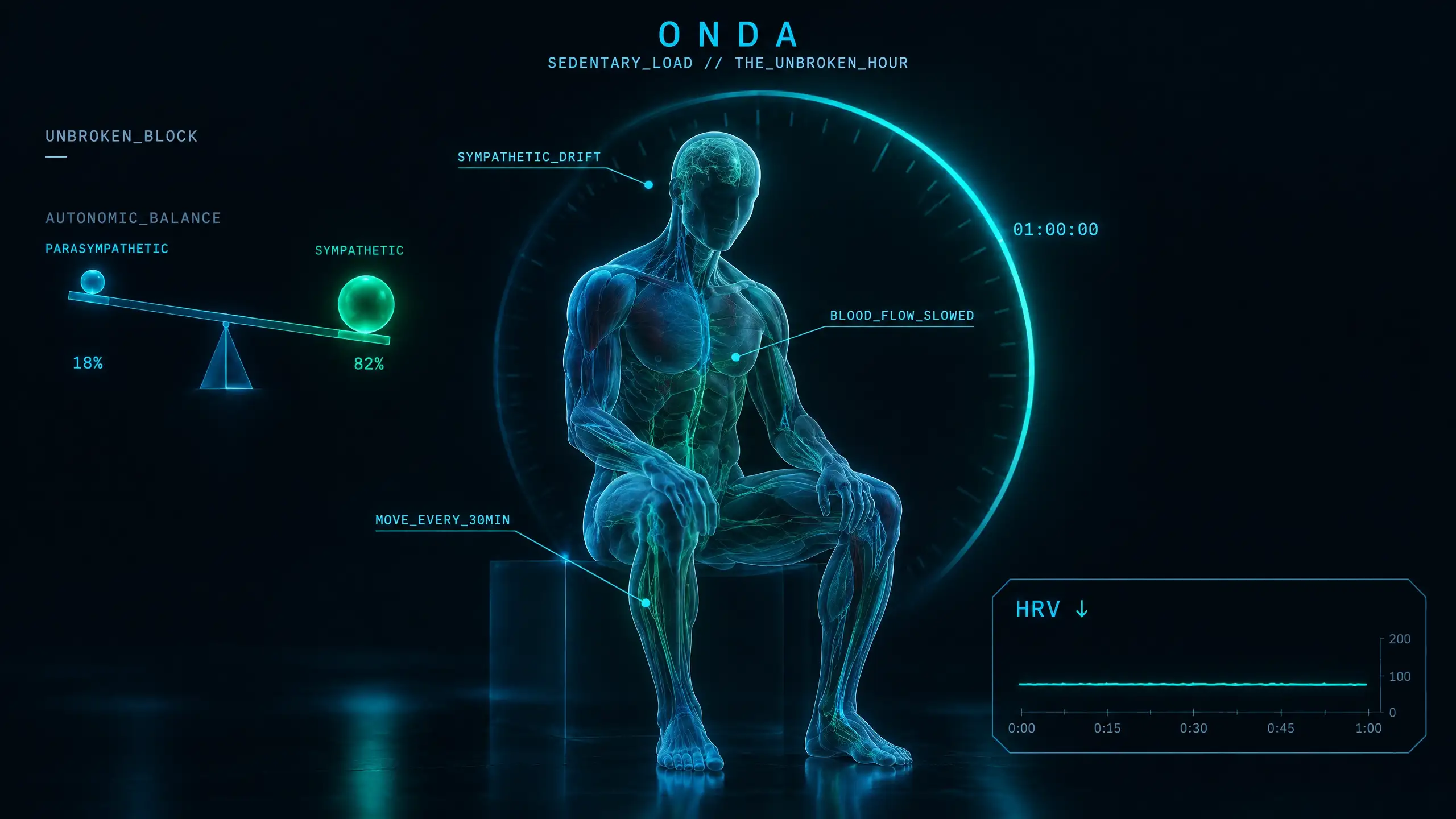
The Chair Tax: What a Day of Sitting Does to Your Nervous System
Long, unbroken sitting doesn’t just stiffen your back — it nudges your autonomic balance toward sympathetic and flattens HRV. Why the problem is the uninterrupted stillness, and how small breaks pay it back.
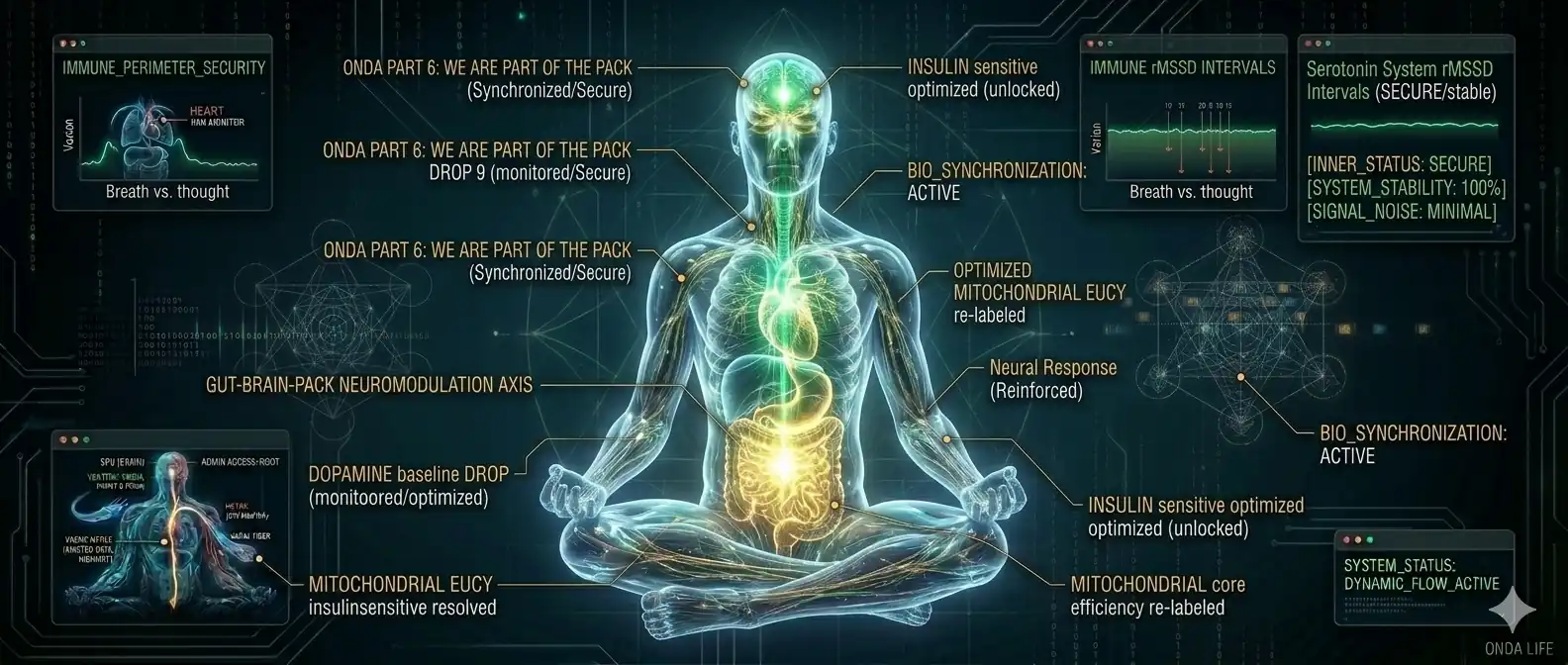
System Stability: Serotonin
Learn how to calibrate your inner status and cognitive calm. Explore the link between posture, gut health, and serotonin production.
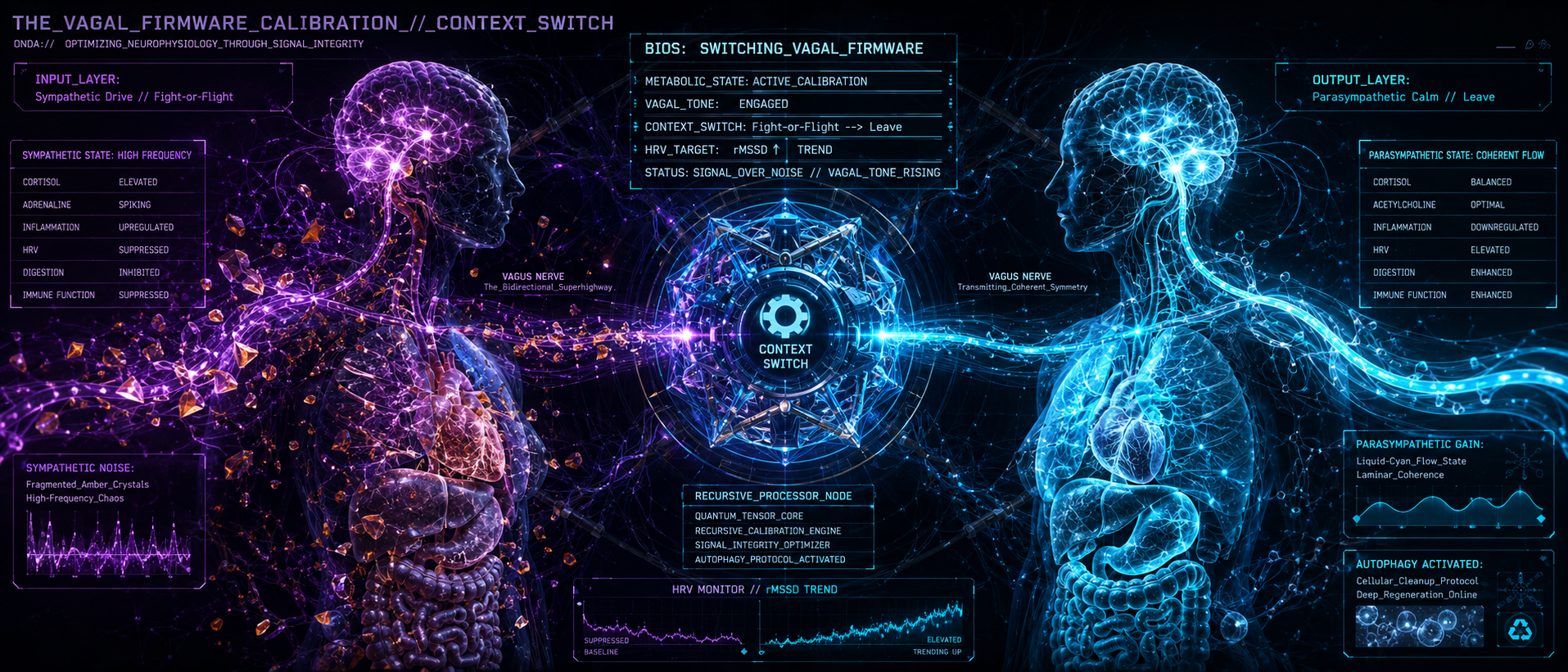
Vagus Nerve Exercises: How to Switch On Your Calm
Evidence-based vagus nerve exercises to shift out of fight-or-flight: slow exhale breathing, humming, cold and more — what works, what is hype, and how to tell.