Breathing Techniques
Breathing is the fastest lever you have on your nervous system. Here you'll find the techniques worth knowing — coherent breathing, the physiological sigh, 4-7-8, box breathing, and traditional pranayama like Nadi Shodhana and Bhramari — explained through the physiology behind them. Each guide covers how to do it, what the research shows, and which technique fits which moment: calming fast, winding down, or energizing.
Start here

Coherent Breathing: The 6-Breaths-a-Minute HRV Sweet Spot
Coherent breathing — slow, even breaths at about six per minute — maximises HRV and calms the nervous system. The science, the rate, and how to practise it.
Read the guide →All Breathing Techniques guides (20)
Tanden Breathing and Serotonin: The Japanese Approach to Calm and Mood
Tanden breathing — deep breathing from below the navel — activates serotonin neurons and the prefrontal cortex, according to Japanese brain research. The tradition, the science, and how to practice.
4-7-8 Breathing: How It Works, and When It Doesn’t
The 4-7-8 breathing technique — inhale 4, hold 7, exhale 8 — is popular for falling asleep. The science of why the long exhale calms you, how to do it, and how it compares to box breathing.
Alternate Nostril Breathing (Nadi Shodhana): Benefits and How to Do It
Alternate nostril breathing (Nadi Shodhana) calms the nervous system and can lower blood pressure and raise HRV. How to do it, why the slow pace is what works, and when to use it.
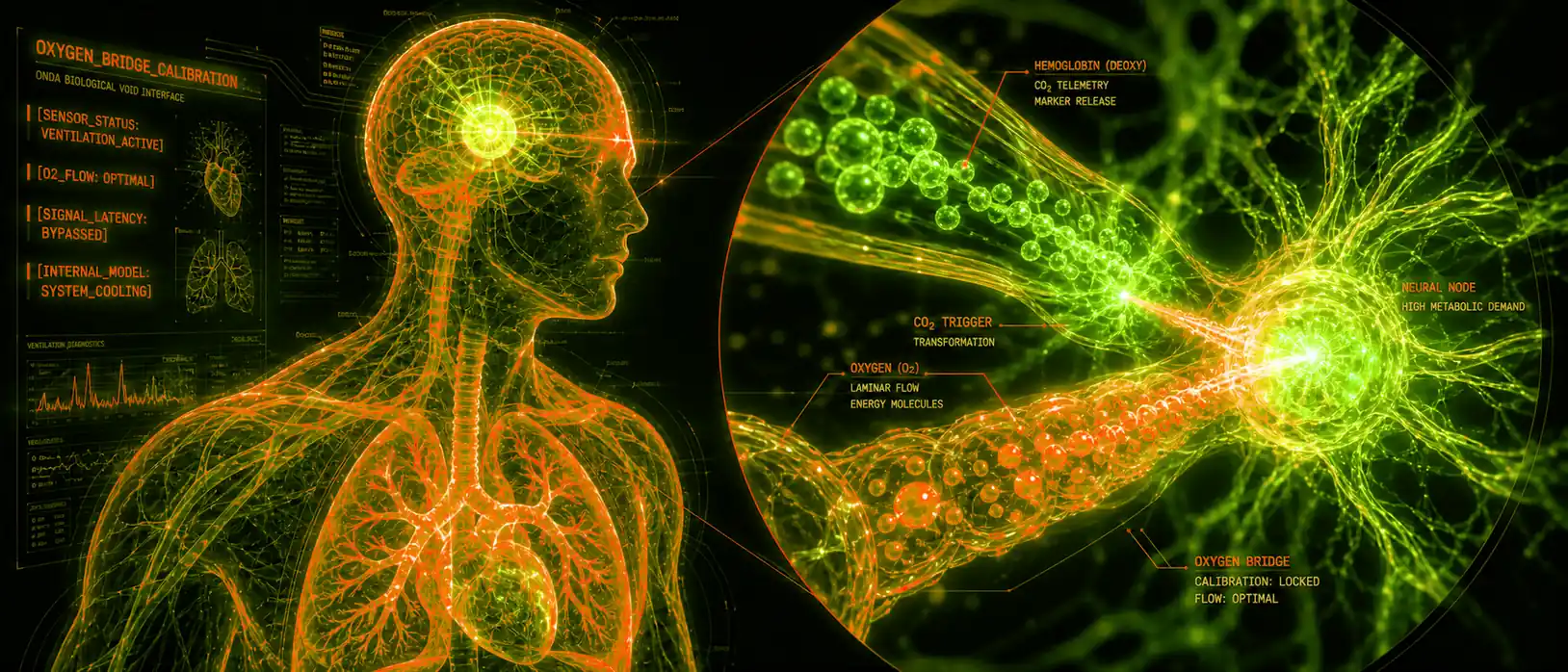
The Bohr Effect and Oxygen Telemetry
The Bohr Effect as the mechanics of oxygen delivery. CO2 telemetry, hemoglobin binding affinity and ONDA protocols for ventilation calibration.
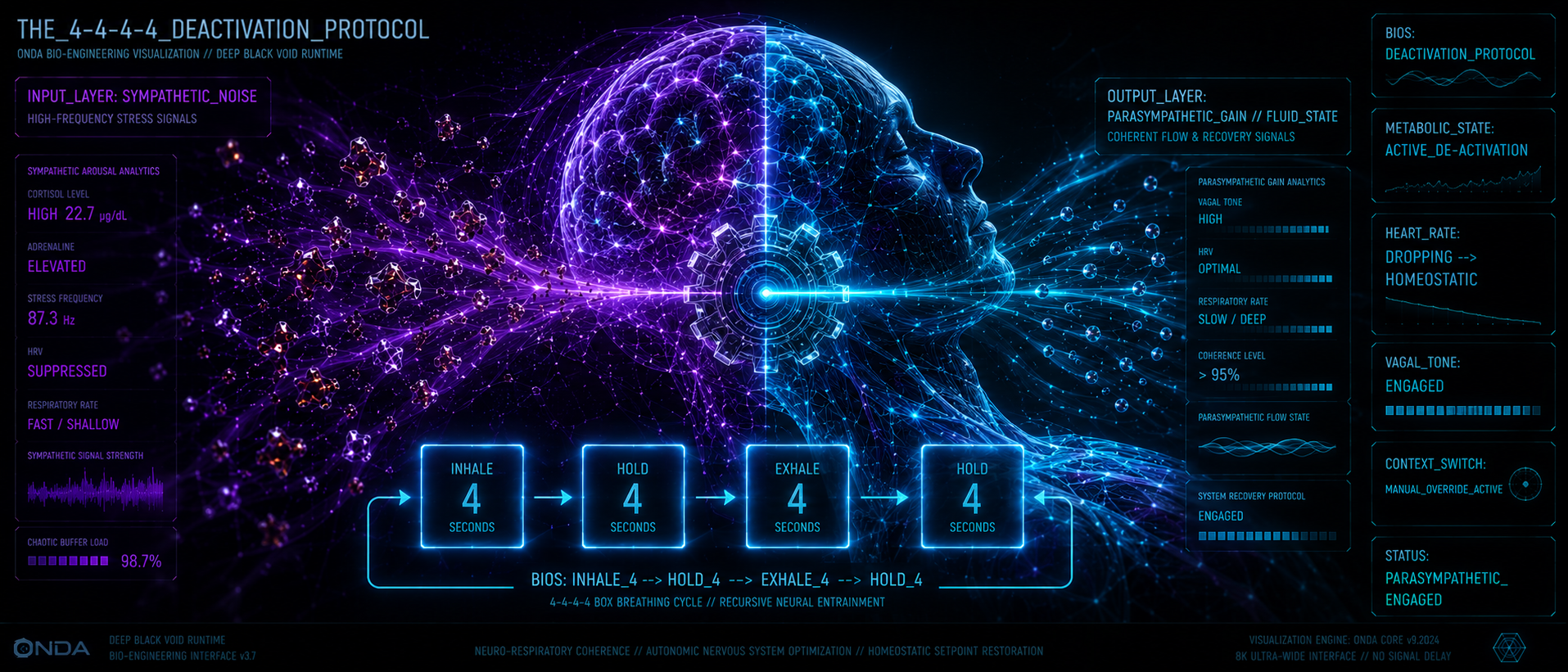
Box Breathing: The 4-4-4-4 Reset for Stress
Box breathing is the 4-4-4-4 technique used by Navy SEALs to stay calm under pressure. Here is how to do it, why slow breathing works, and when to use it.
Can Breathing Help with Altitude Sickness? What the Research Suggests
Controlled hyperventilation breathing (from the Wim Hof Method) was used on a Kilimanjaro expedition to reduce altitude sickness. What the research suggests about breath and acclimatization.

Breathwork: The Command Line Interface (CLI) of Biology
Breathing is the only autonomic function you can control voluntarily. Master the CLI of your nervous system—Box Breathing, Physiological Sigh, and Nasal Breathing for instant Root Access.
Cardiac Coherence and the 365 Method: France’s Approach to Breathing
Cardiac coherence — breathing at 6 per minute, 3 times a day, for 5 minutes (the 365 method) — is a French clinical tradition for balancing the nervous system. The method, the science, and how to practice.

CO2 Tolerance: Expanding the Oxygen Limit
Most breath urgency comes from CO2 sensitivity, not low oxygen. Train the Bohr Effect to unlock hemoglobin's cargo and maximize tissue oxygenation.

The Autonomic Glitch: What Long Covid Taught Us About HRV and Breathing
A short investigation into dysautonomia — the nervous-system dysregulation behind much of long Covid and POTS — why it shows up as low HRV, and what the breathing-biofeedback studies actually found.
Fast vs Slow Pranayama: Why Some Breathing Energizes and Some Calms
Not all breathwork calms you. Fast techniques like Kapalabhati energize and activate the sympathetic system, while slow ones like Nadi Shodhana calm. How to choose the right one.

How to Find Your Resonance Breathing Rate
Everyone has a breathing pace where heart, breath and blood pressure sync and HRV peaks — usually near 6 a minute, but personal. How to find yours, with and without live feedback.
Humming Breath (Bhramari): The Simplest Way to Stimulate Your Vagus Nerve
Humming breath, or Bhramari, stimulates the vagus nerve through vibration in the larynx. How to do bee breath, why humming raises vagal tone, and when to use it for calm.
Nose vs Mouth Breathing: What It Does to Your Nervous System and Focus
Nose breathing shifts your autonomic balance and supports focus differently than mouth breathing. What Japanese research found, the physiology, and when each matters.
Physiological Sigh: The Fastest Way to Calm Your Nervous System
The physiological sigh — two inhales and one long exhale — is the fastest breathing technique to lower stress. How it works, when to use it, and how it compares to box breathing and 4-7-8.

Resonant Frequency: Finding Your System's Natural Rhythm
Every person has a unique resonant breathing frequency (4.5–6.5 breaths/min) where heart, brain, and lungs phase-lock into coherence and HRV peaks. The ONDA resonance scan identifies your exact frequency and calibrates it for life.
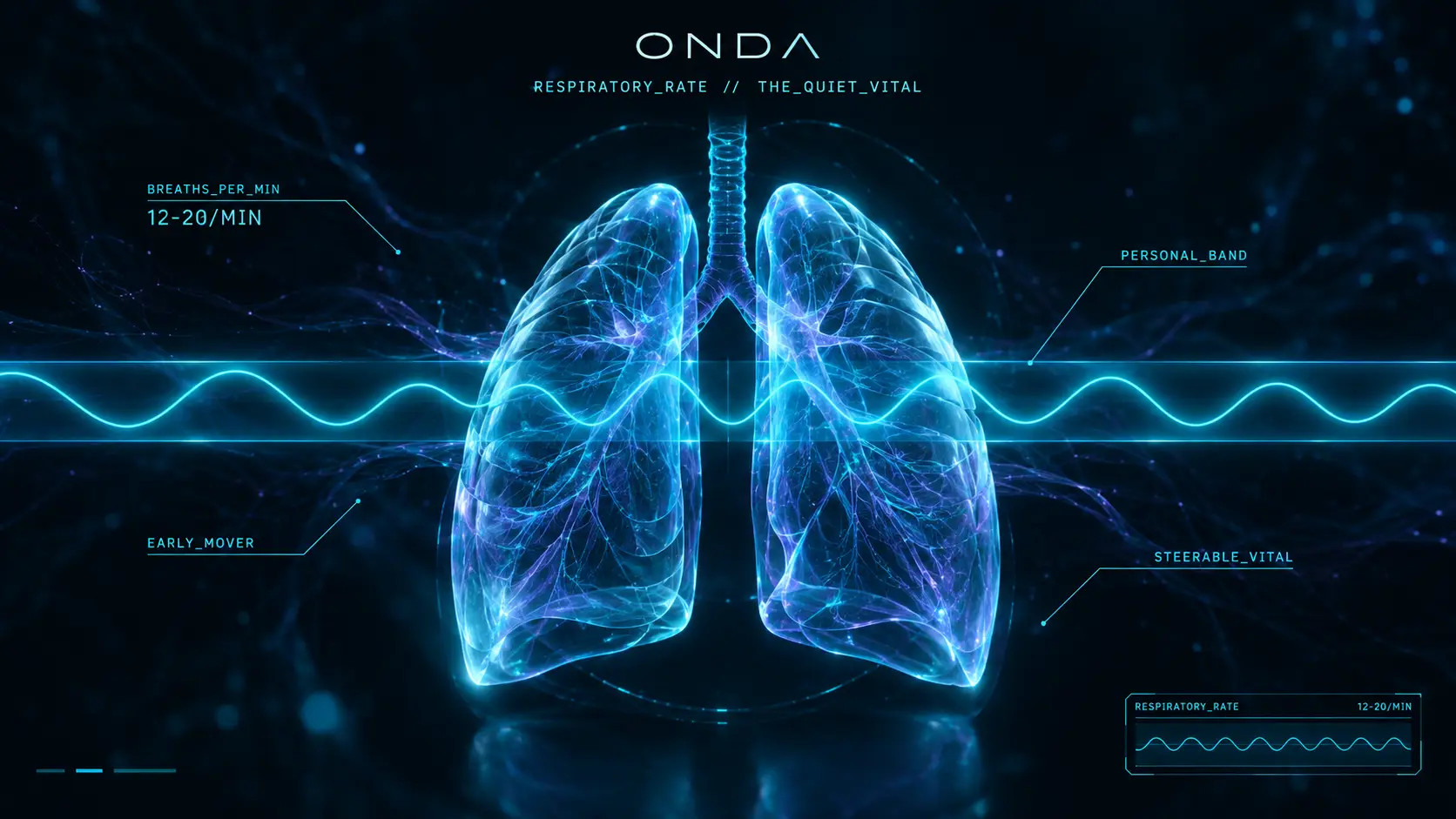
Your Respiratory Rate: The Overnight Number You Never Look At
Your breathing rate is one of the most stable, sensitive vitals you own — and the one you never check. Why a resting respiratory rate that drifts from your baseline is an early, honest signal, and how to read it.

The 5-Minute Daily Breathing Routine That Actually Sticks
You don’t need a 30-minute practice to get the benefit of breathwork. Why short, daily, consistent breathing beats long-and-occasional — and a simple 5-minute routine to build the habit.
Wim Hof Breathing and Inflammation: It’s the Breath, Not the Cold
Radboud University research showed people can voluntarily calm their immune response through breathing — and that the breathing, not the cold, is the active ingredient. What the science found.