Meditation with Progress
Meditation works — and its progress is measurable. These guides cover what research shows about how meditation changes your brain and nervous system, the major traditions from Zen to Vipassana to the jhanas, how much practice you actually need, and the honest risks few apps mention. The common thread: meditation is a trainable skill, and you can track your progress instead of practicing blind.
Start here
Meditation With Measurable Progress: The Complete Science-Based Guide
Meditation works — and its progress is measurable. This complete guide covers how meditation changes your brain and body, the major traditions, how much to practice, and how to see your progress.
Read the guide →All Meditation with Progress guides (25)
The Side Effects of Meditation No One Talks About
Meditation isn’t purely beneficial — research shows a meaningful minority experience adverse effects like anxiety or dissociation. An honest look at meditation’s dark side, who’s at risk, and how to practice safely.
Does Meditation Slow Brain Aging? What the Research Shows
Meditation may protect the aging brain — studies link it to preserved gray matter, healthier brain networks, and slower age-related decline. An honest look at meditation and brain aging.
Is Attention a Trainable Skill? What Meditation Research Proves
Attention isn’t fixed — meditation research shows it’s a trainable skill, with measurable brain differences between novices and experienced practitioners. The evidence that focus can be built.
How Much Meditation Do You Need to See Results?
How long and how often should you meditate to see real benefits? Dose-response research shows even 10–12 minutes a day produces measurable change — and why tracking progress keeps you consistent.
The Jhanas: Meditation's Measurable Stages of Deep Absorption
Jhanas are eight distinct stages of meditative absorption — and Harvard neuroscience is now mapping each one on brain scans. How this ancient system turns meditation into a measurable progression.
MBSR: The Most Studied Mindfulness Program — Does It Actually Work?
Mindfulness-Based Stress Reduction (MBSR) is the most researched meditation program, with hundreds of trials on stress, anxiety, and pain. An honest look at what the clinical evidence actually shows.
How to Measure Your Meditation Progress (Instead of Guessing)
Meditation is hard to stick with because progress feels invisible. But it’s measurable — through HRV, resting heart rate and how your body responds. How to track your meditation progress objectively.
Can Meditation Slow Aging? What Research on Telomeres Shows
Meditation may influence cellular aging markers like telomeres — but the evidence is nuanced, and practice time matters. An honest look at what research actually shows about meditation and longevity.
How Fast Does Meditation Change Your Brain? The Measurable Timeline
Meditation produces measurable brain changes in as little as 2–4 weeks — gray matter, white matter, and stress biomarkers all shift with practice. The science of meditation’s trackable progress.
Gamma Brainwaves: The Measurable Signature of Meditation Experience
Experienced meditators show higher gamma brainwaves — and the amount rises with practice experience. How research turned meditation depth into a measurable, progress-linked brain signal.
What Brain Scans of Expert Meditators Reveal About Trained Minds
Neuroscientists scanned monks with tens of thousands of hours of practice and found extraordinary gamma brainwaves and altered brains. What studying meditation experts proves about the trainable mind.
Meditation vs Breathwork: Which Should You Choose?
Meditation and breathwork both calm you, but they work differently — one trains attention, the other directly shifts your physiology. How they compare and how to choose (or combine) them.
Naikan: The Japanese Practice of Structured Self-Reflection
Naikan is a Japanese method of structured reflection built on three simple questions, used therapeutically to shift perspective and gratitude. The practice, its psychology, and how it complements meditation.
Rajyoga Meditation: The Open-Eyed Practice with a Measurable Brain Signature
Brahma Kumaris Rajyoga is meditated with open eyes and shows distinct brain and heart signatures — high theta, low alpha, and unique autonomic patterns. The tradition and what research measured.
Vipassana Meditation and the Brain: What Research Shows About Attention
Vipassana meditation is linked to thicker attention-related brain regions, elevated gamma waves, and a quieter default mode network. The neuroscience of this ancient practice and how progress builds.
Zazen (Zen Meditation) and the Brain: What EEG Reveals About Experience
Zen meditation (zazen) produces measurable brain changes — alpha and theta waves that deepen with experience, and shifts in the prefrontal cortex. What decades of Japanese EEG research show.
Zen Koans and the Brain: How Paradox Trains the Mind
Zen koans — paradoxical riddles like "the sound of one hand clapping" — train the brain to shift out of self-referential thought. What research on Zen practitioners reveals about cognition and awareness.
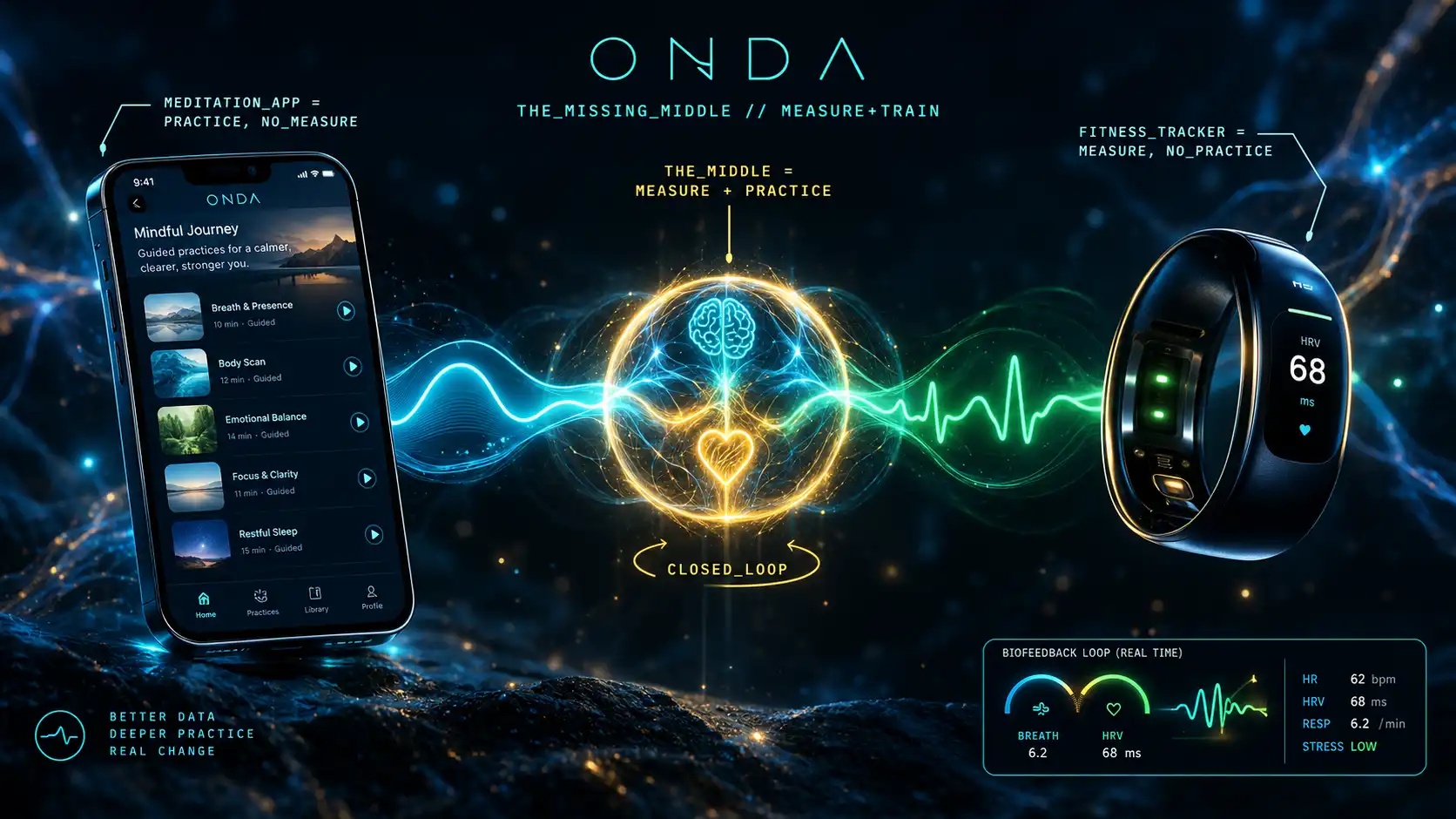
The App Between a Meditation App and a Fitness Tracker
Meditation apps give you practice with no measurement. Fitness trackers give you measurement with no practice. The gap between them — measure and train in one loop — is where the useful thing lives.
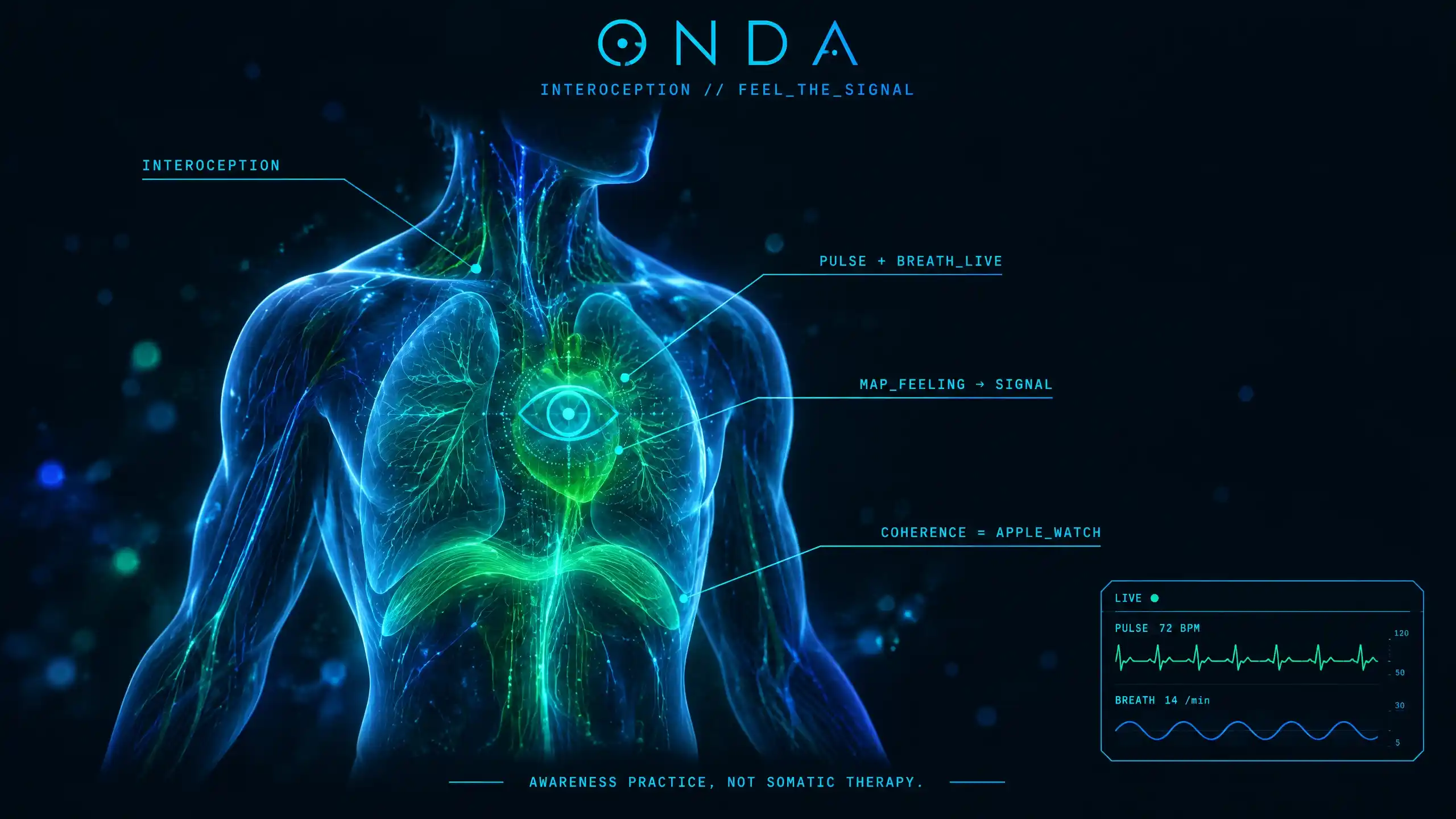
The Body Awareness App That Shows You the Signal
A body awareness app is an interoception app: it shows your pulse and breath live so you learn to sense your internal state and feel what you were blind to.
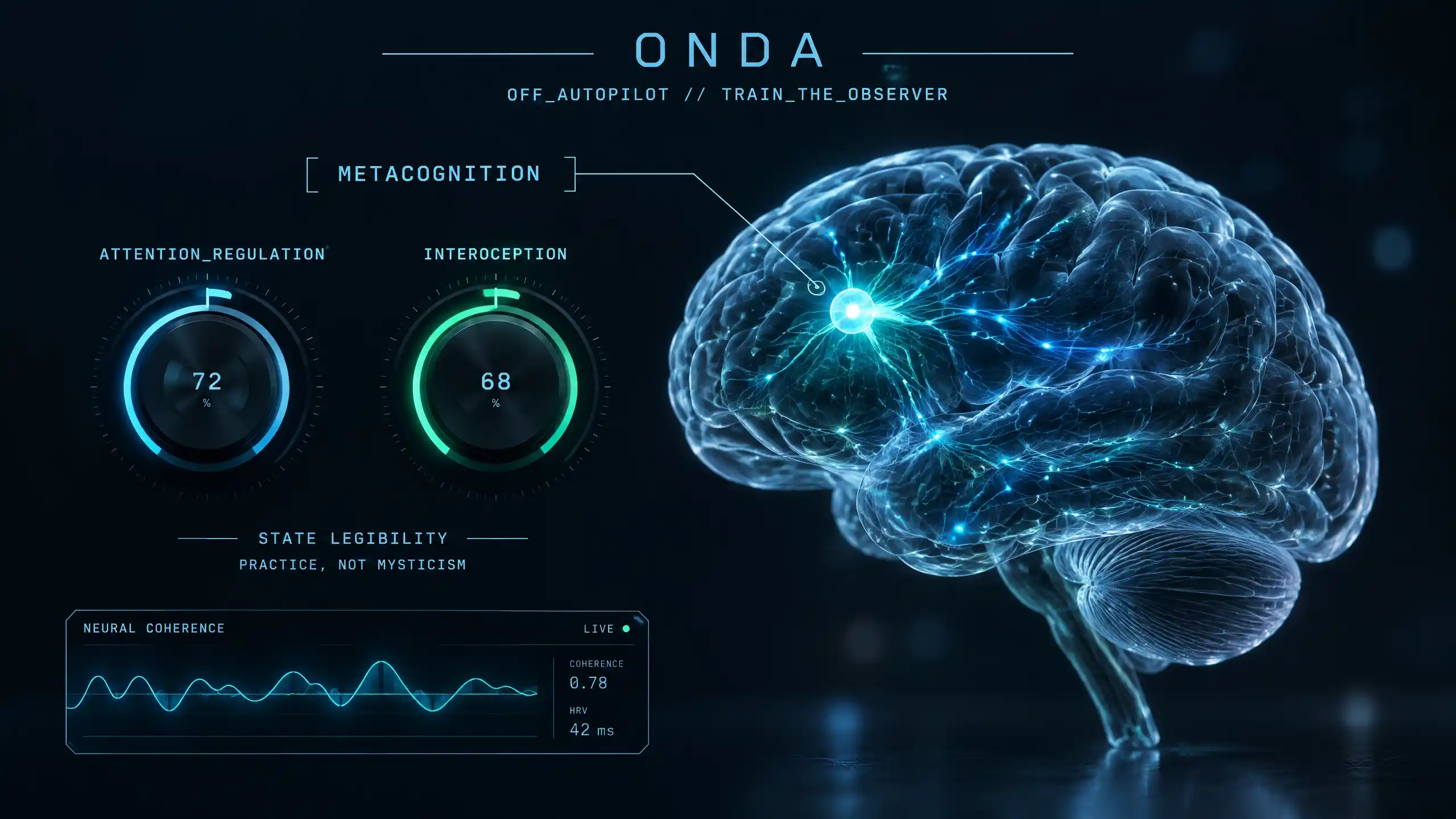
Consciousness Training App: Train the Observer
What a consciousness training app really does: build self-awareness, attention, and interoception with live biofeedback — no mysticism, no nootropic promise.
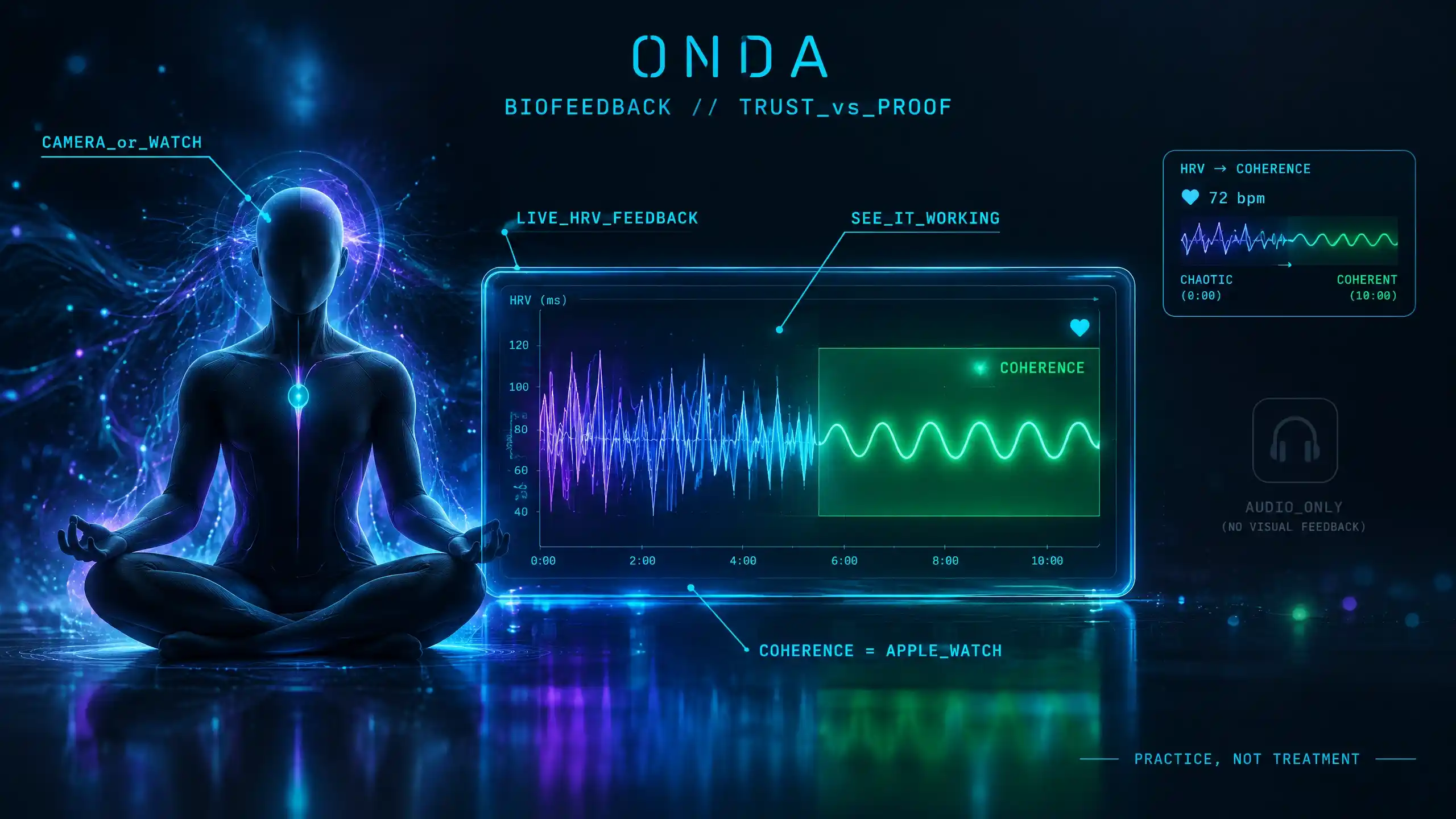
The Meditation App That Shows You It’s Working
Most meditation apps ask you to trust the audio. A biofeedback meditation app shows your nervous system responding in real time — your own HRV and breathing. What that changes, and how to pick a science-based one.
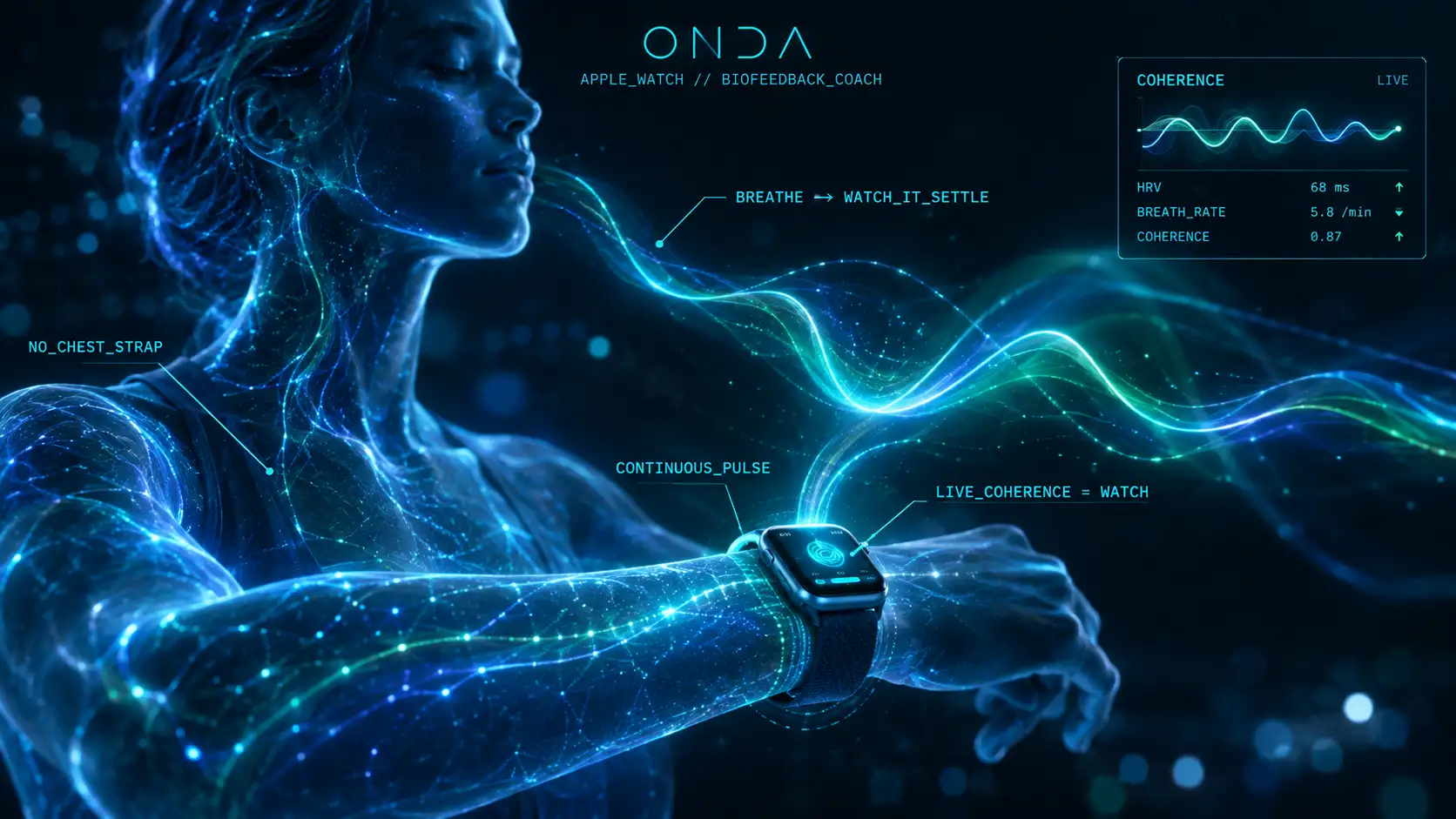
Meditation With Your Apple Watch: A Biofeedback Coach on Your Wrist
Your Apple Watch already reads your heartbeat. The right app turns that into live meditation biofeedback — pacing your breath and showing your heart rhythm settle in real time. How to meditate with Apple Watch HRV.
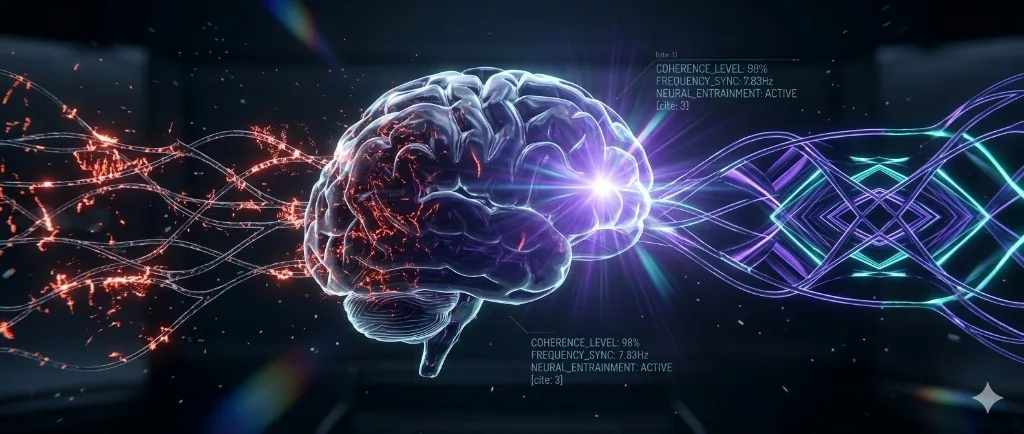
Neural Entrainment: Meditation 2.0
Master your brain's operating frequency using EEG-driven AI audio and the Frequency Following Response.
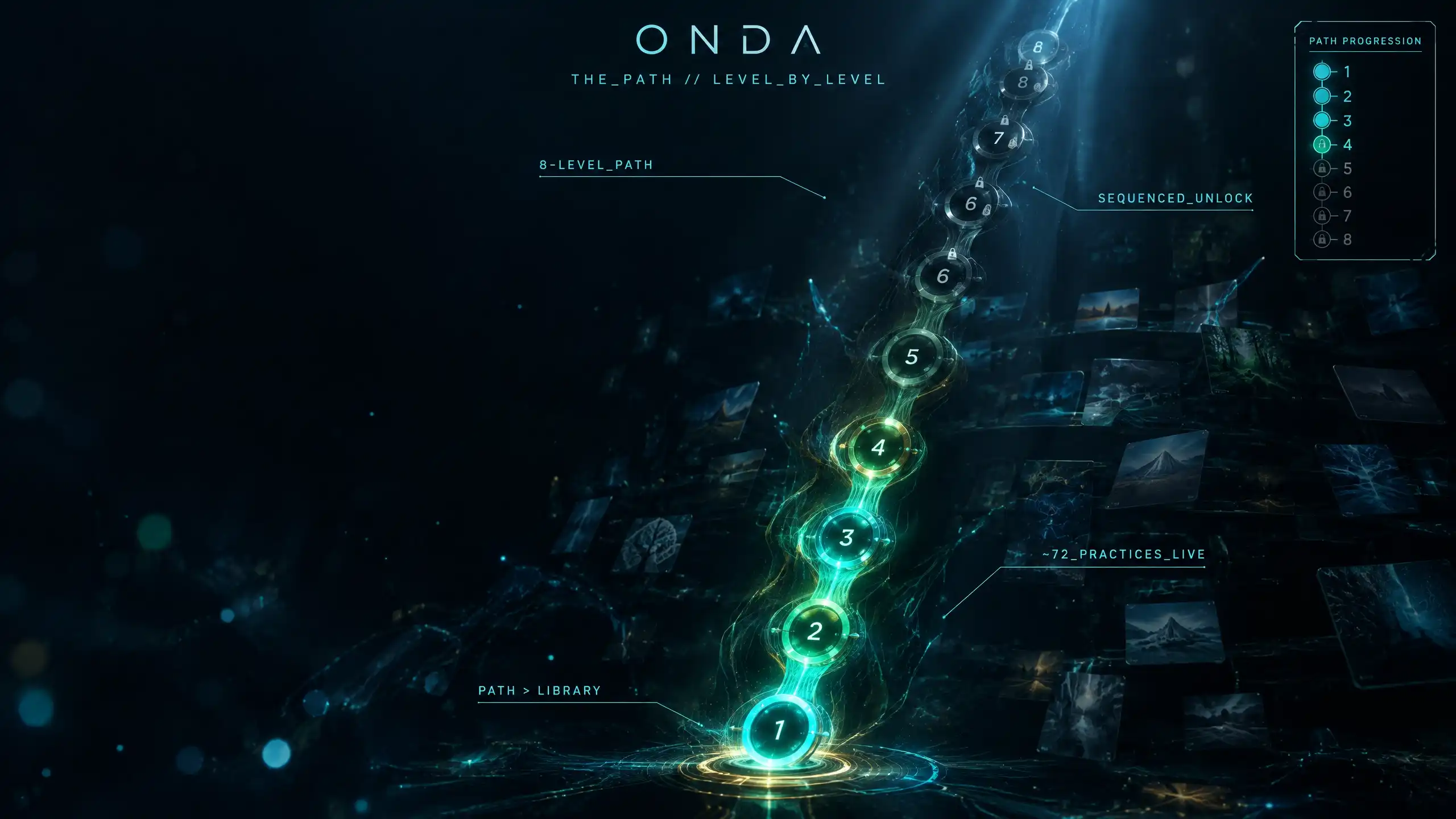
Structured Meditation Training: Why a Path Beats a Library
Most meditation apps hand you a shelf of sessions and let you wander. A structured, level-by-level program trains you like a skill — progressive, sequenced, measurable. Why the path beats the library.