Brain, Focus & Aging
Focus and memory aren't fixed traits — they respond to how you breathe, rest and train your attention. These guides explore the neuroscience of concentration and flow, how breathing affects memory, practices like Trataka, and what research says about keeping the brain and body young.
Start here
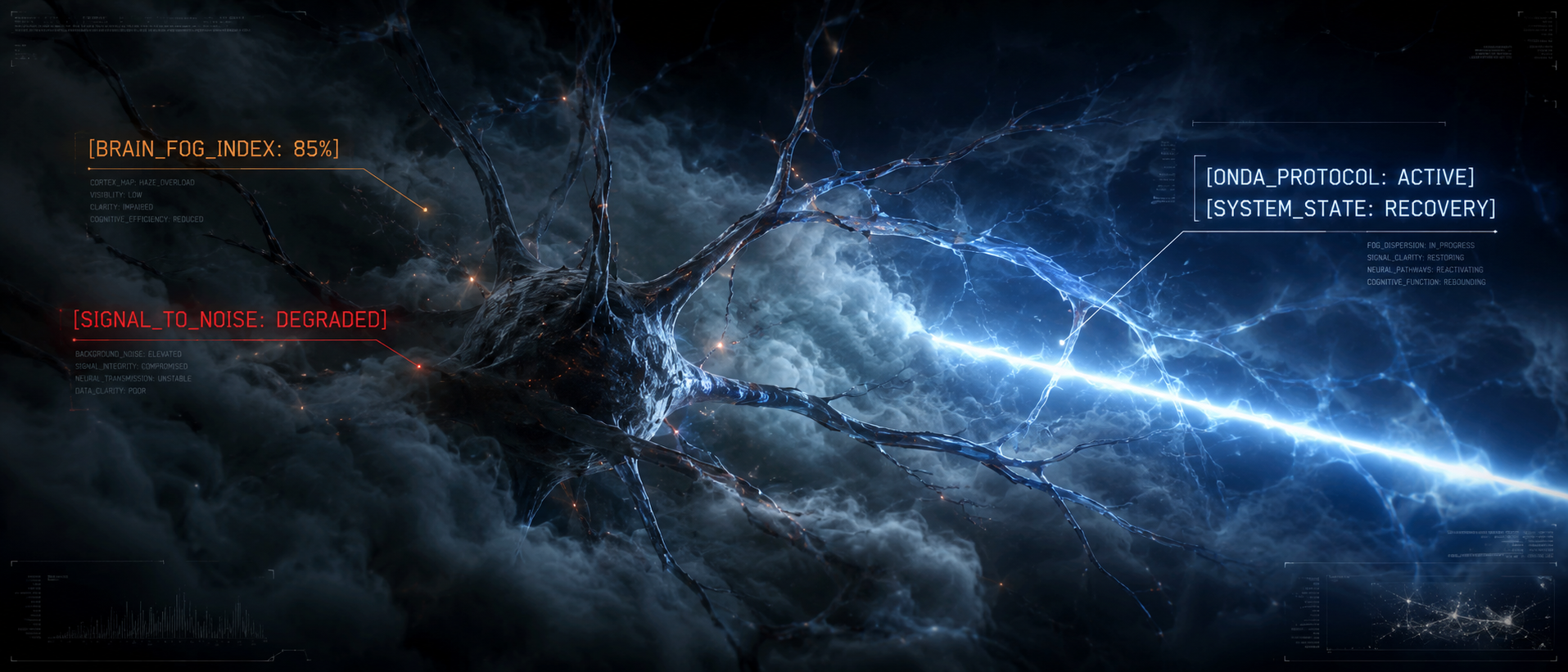
How to Get Rid of Brain Fog
Brain fog is a symptom, not a diagnosis. The common, fixable causes — sleep, stress, overstimulation, lifestyle — and the fastest way to clear each.
Read the guide →All Brain, Focus & Aging guides (25)
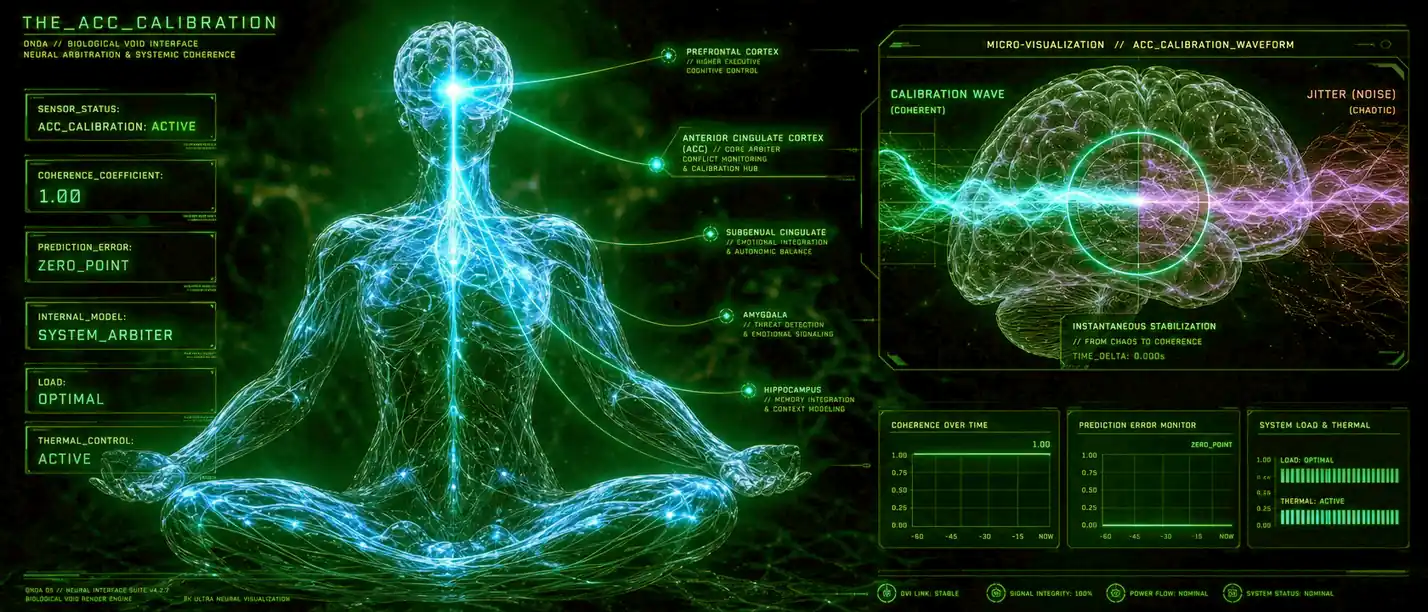
ACC Calibration Protocol: Cognitive Control Training
Cool down the system arbiter. ONDA protocol pairing monotasking and mindfulness alignment to clear the dACC error buffer and lock focus.

Technical Deep Dive: The Acetylcholine Lens
Acetylcholine acts as the biological lens of attention. Sharpen synaptic gain, reduce cognitive blur, and lock the cortex onto high-resolution signal.
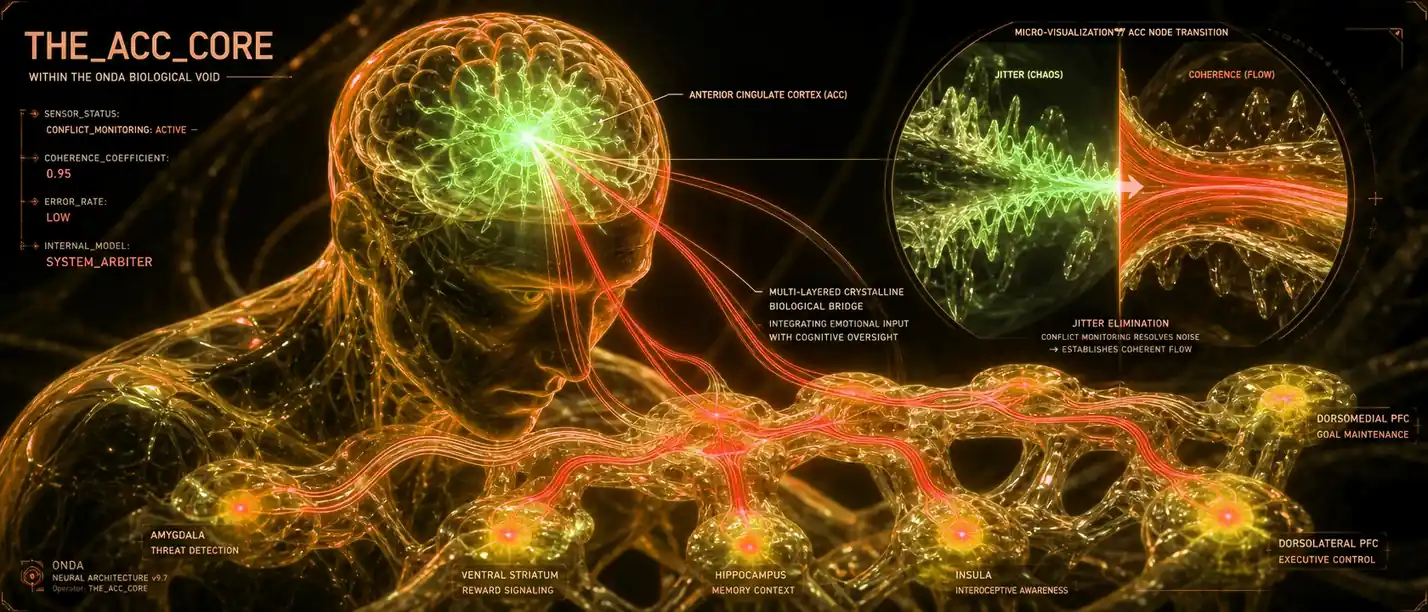
Anterior Cingulate Core and Coherence Monitoring
The anterior cingulate cortex as the system arbiter — conflict monitoring, prediction error and cognitive flexibility inside the ONDA architecture.
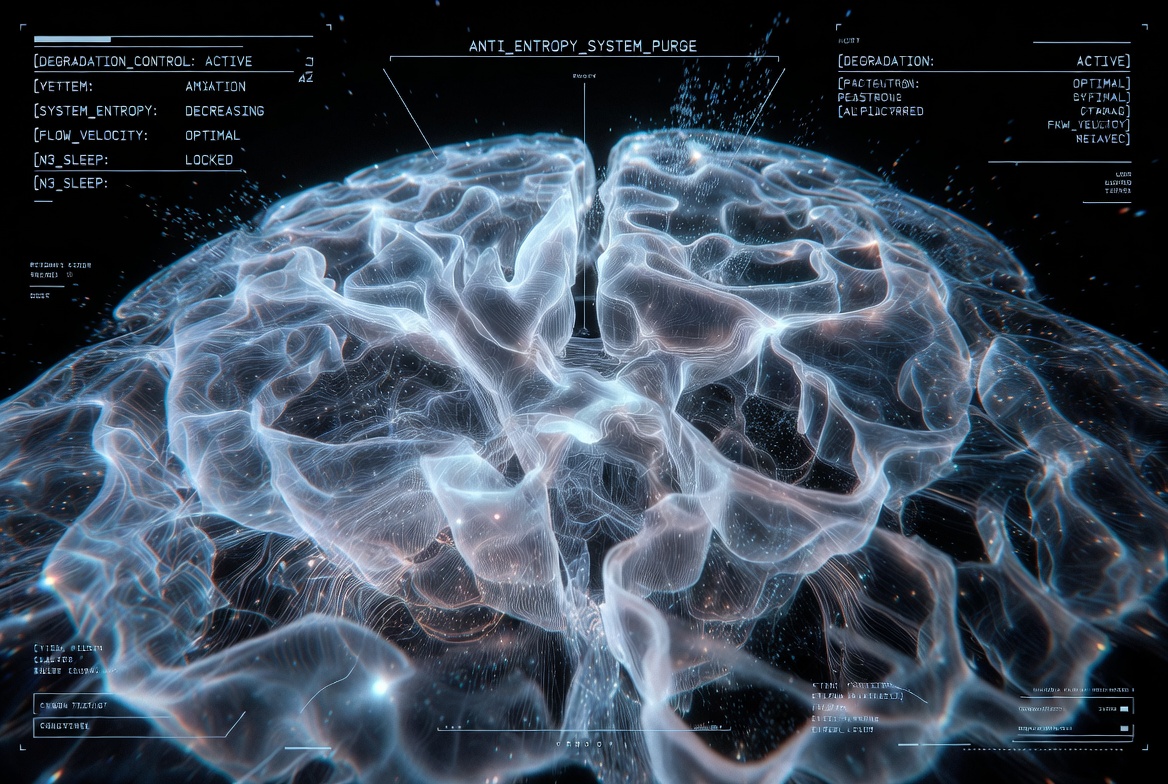
The Anti-Entropy Protocol: Safeguarding Neural Architecture
Aging is accumulated entropy. The ONDA Anti-Entropy Protocol supports glymphatic clearance, syncs nocturnal fasting with autophagy, and uses thermal regulation to help slow beta-amyloid drift over time.
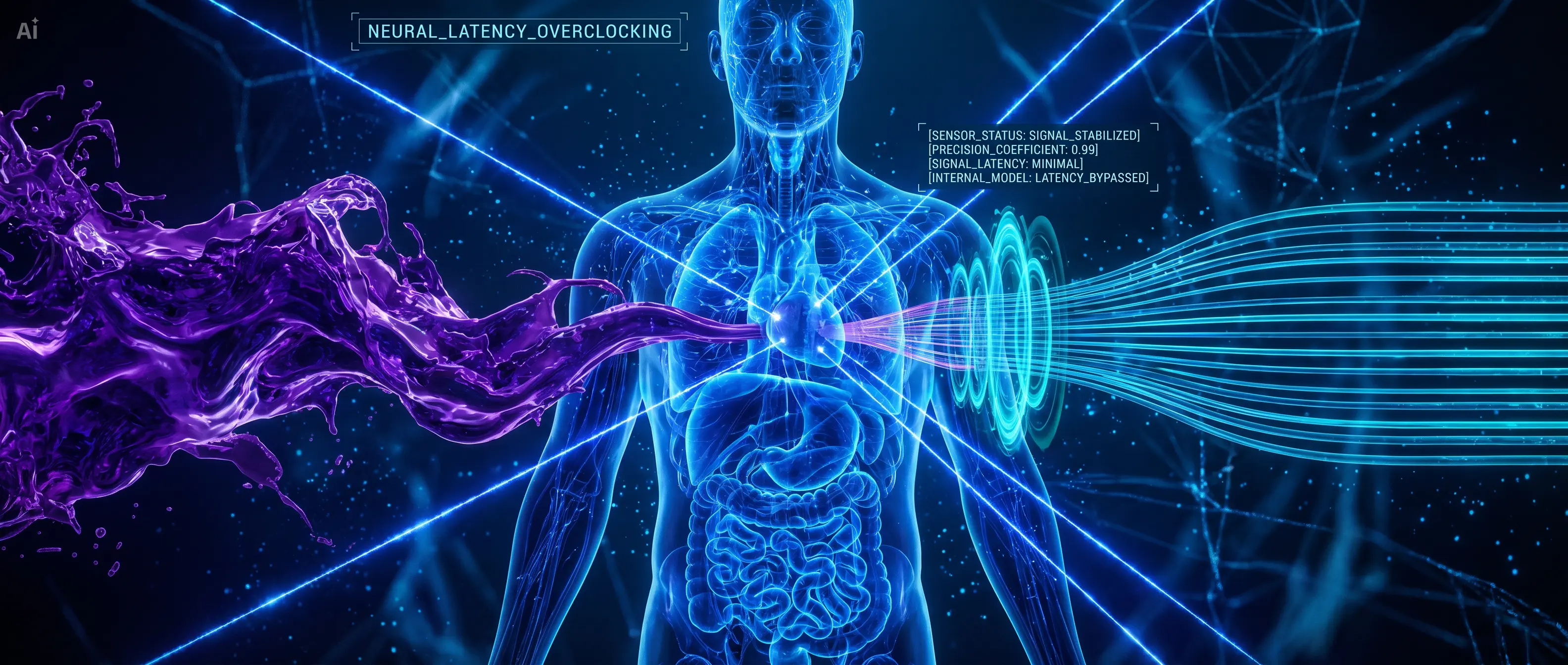
Biological Latency: Optimizing the System Ping
Reduce biological latency by training predictive coding, myelin integrity, and alpha-synchronization for faster real-time processing and lower reaction delay.
Do Breathing Exercises Work for Older Adults? What the Research Shows
Research shows slow breathing raises vagal tone and lowers anxiety in older adults — though a single session may not move blood pressure. The evidence and how to practice safely as you age.
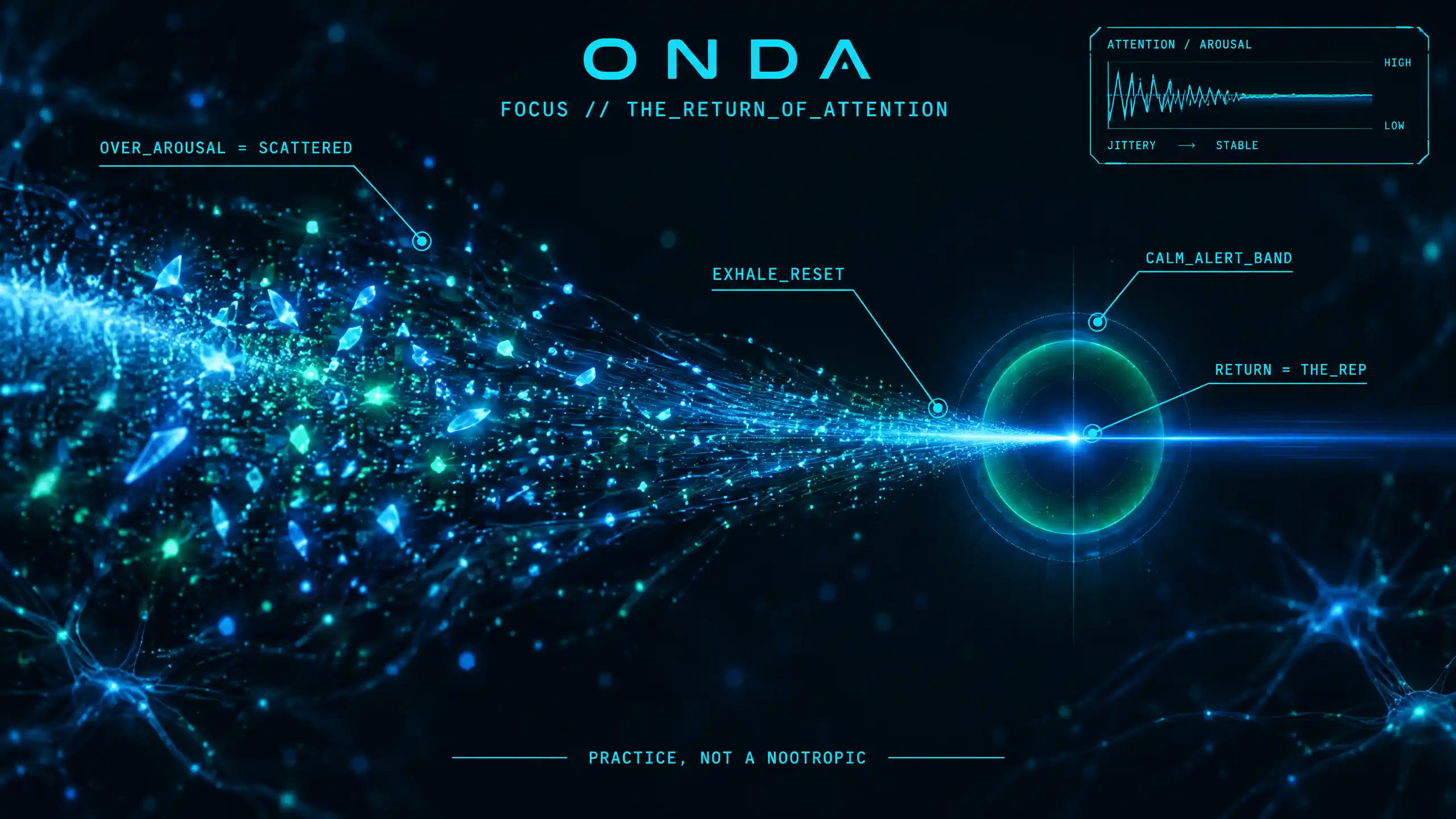
Breathing for Focus: How the Breath Steadies Attention
Scattered attention is often a nervous-system problem, not a willpower one. How slow breathing steadies the state that focus runs on — and how to train the return of attention, with feedback.
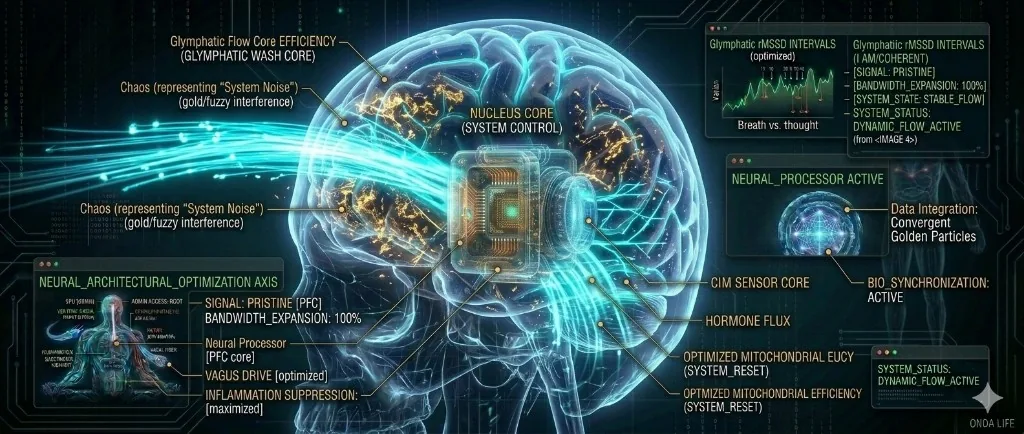
System Analysis: Cognitive Architecture
Cognitive architecture, explained: attention, signal-to-noise, and mental bandwidth — what practice can support, without overpromising.
Cognitive Architecture: Programming the Nootropic Stack
Nootropics are pharmacological patches for your neurotransmitter systems. Master Neuroprotection, Neurotransmission, and Cerebral Blood Flow to build a high-performance cognitive stack.
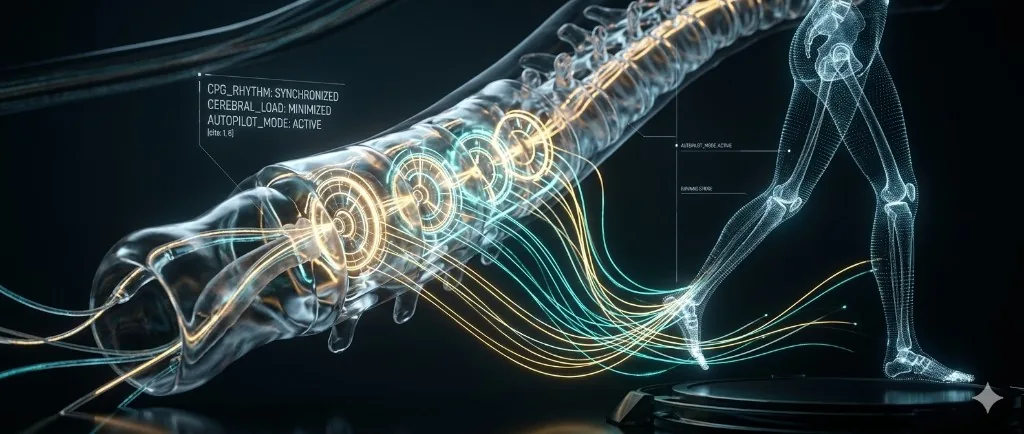
CPG: The Neural Autopilot
Central Pattern Generators as your locomotion ASICs: optimize spinal cord microcontrollers for effortless motion and reclaimed mental bandwidth.
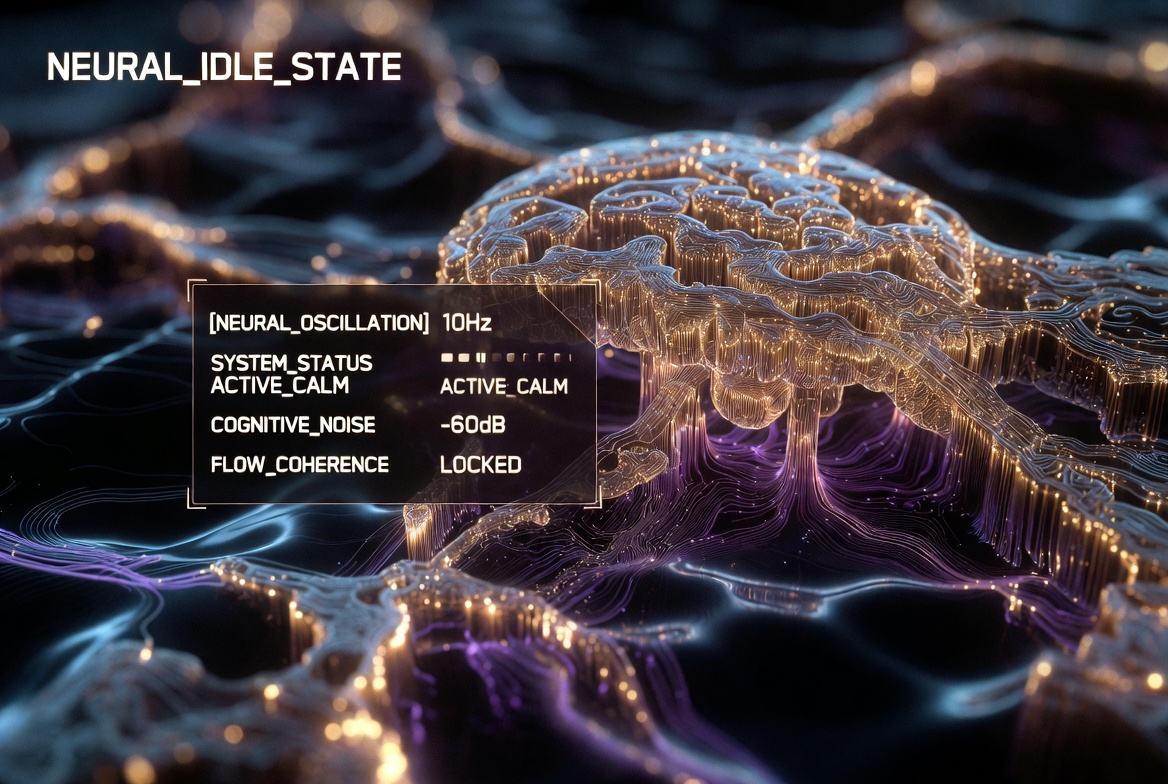
The Idle State: Alpha Rhythms as the Foundation of Peak Performance
Alpha waves (8–12 Hz) are the brain's neutral gear — noise-cancelled, energy-efficient, coherence-ready. The ONDA idle protocol triggers Alpha manually via visual reset, 0.1 Hz coupling, and digital decoupling to eliminate Beta Trap burnout.
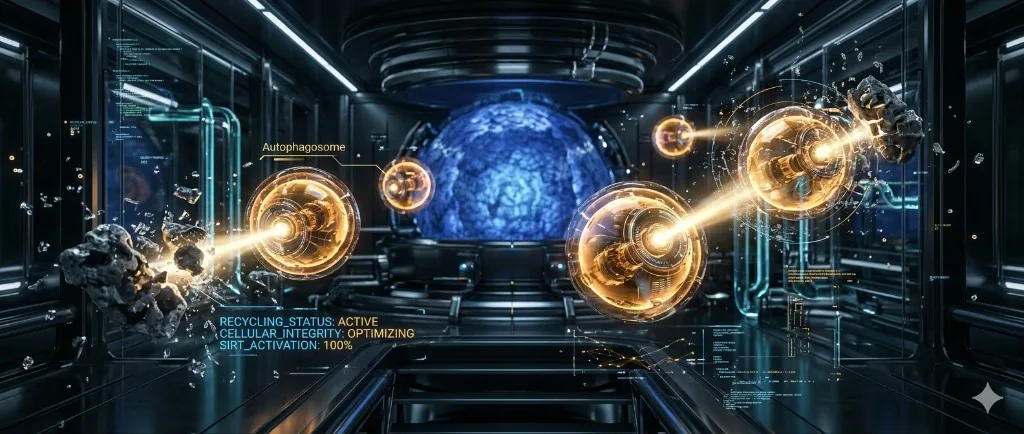
Longevity Hardware: Senolytics and the Cellular Cleanup Sequence
Aging is the accumulation of uncorrected system errors. Trigger Autophagy and Senolysis to extend your hardware operational lifespan.
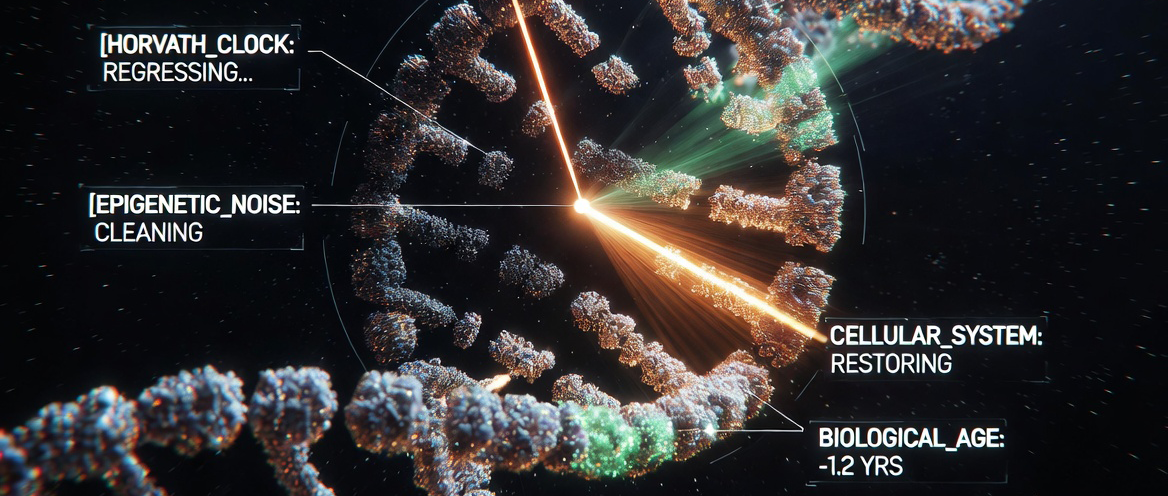
Biological Clock Reset: Can You Actually Reverse Your Cellular Age?
Part of aging is circadian fragmentation. When internal clocks desync, Sirtuin-governed repair loses its timing, and epigenetic aging may accelerate. The ONDA Deep Reset stack — dark surge, pulsed hormesis, and data-driven wind down — aims at the circadian inputs the Horvath Clock is built on.
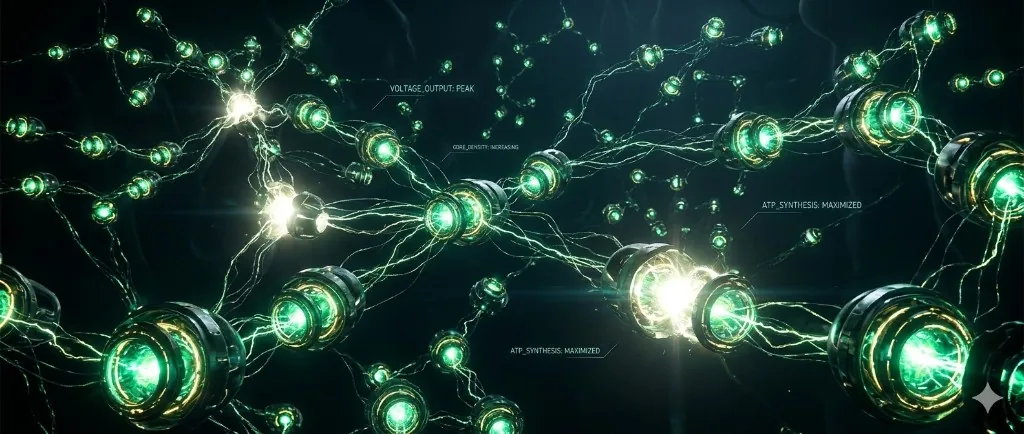
Cellular Power Grid: Engineering Mitochondrial Biogenesis
Your mitochondria are the cellular power plants. Trigger Mitochondrial Biogenesis to create new, high-density power units and increase the total wattage of your organism.
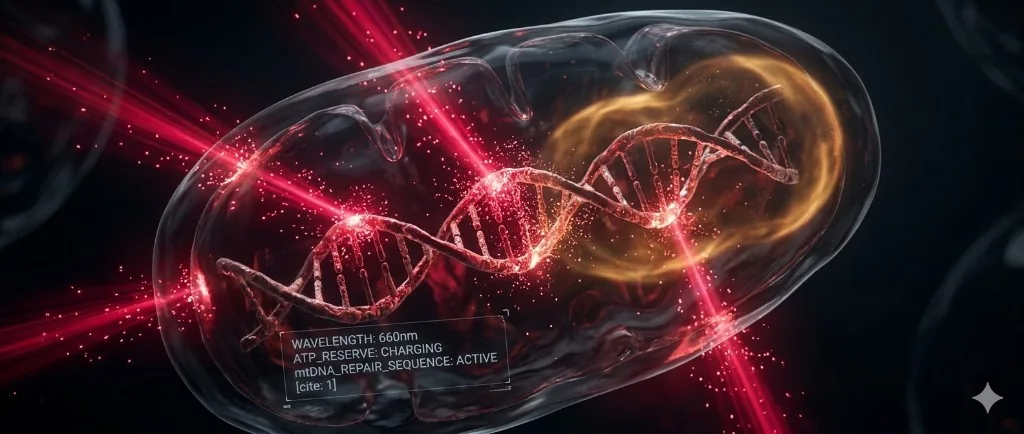
Mitochondrial DNA & Red Light 2.0
How red and near-infrared light interact with mitochondria — the real photobiomodulation evidence, with the speculative "structured water" claims kept clearly separate.
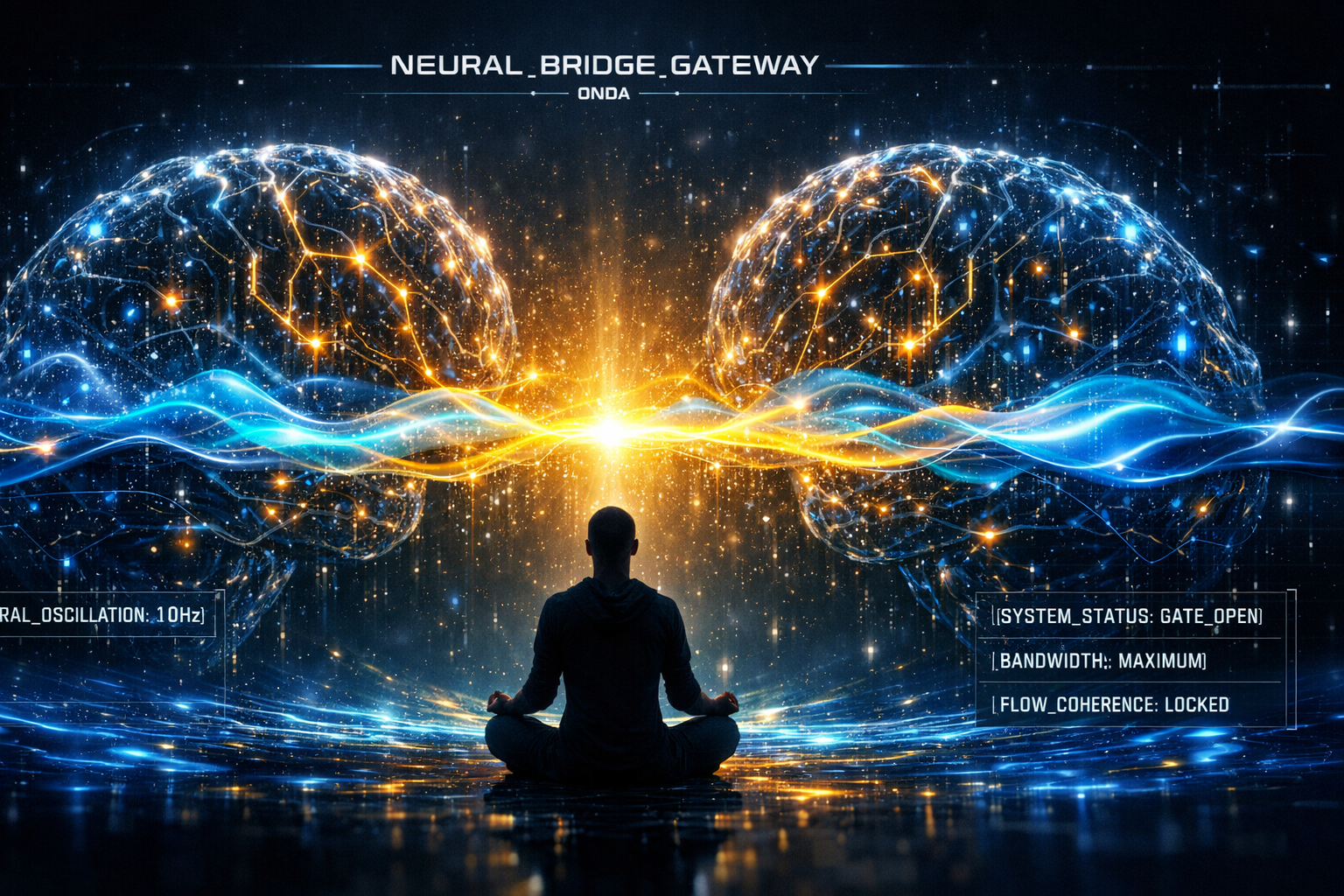
The Neural Bridge: The Alpha Gateway to Flow
Alpha waves (8–12 Hz) are the network gateway between Beta cognition and deep Theta insight storage. The ONDA bridge protocol uses 0.1 Hz coupling, diffused focus, and system silence to open the cross-frequency channel and deliver flow on demand.
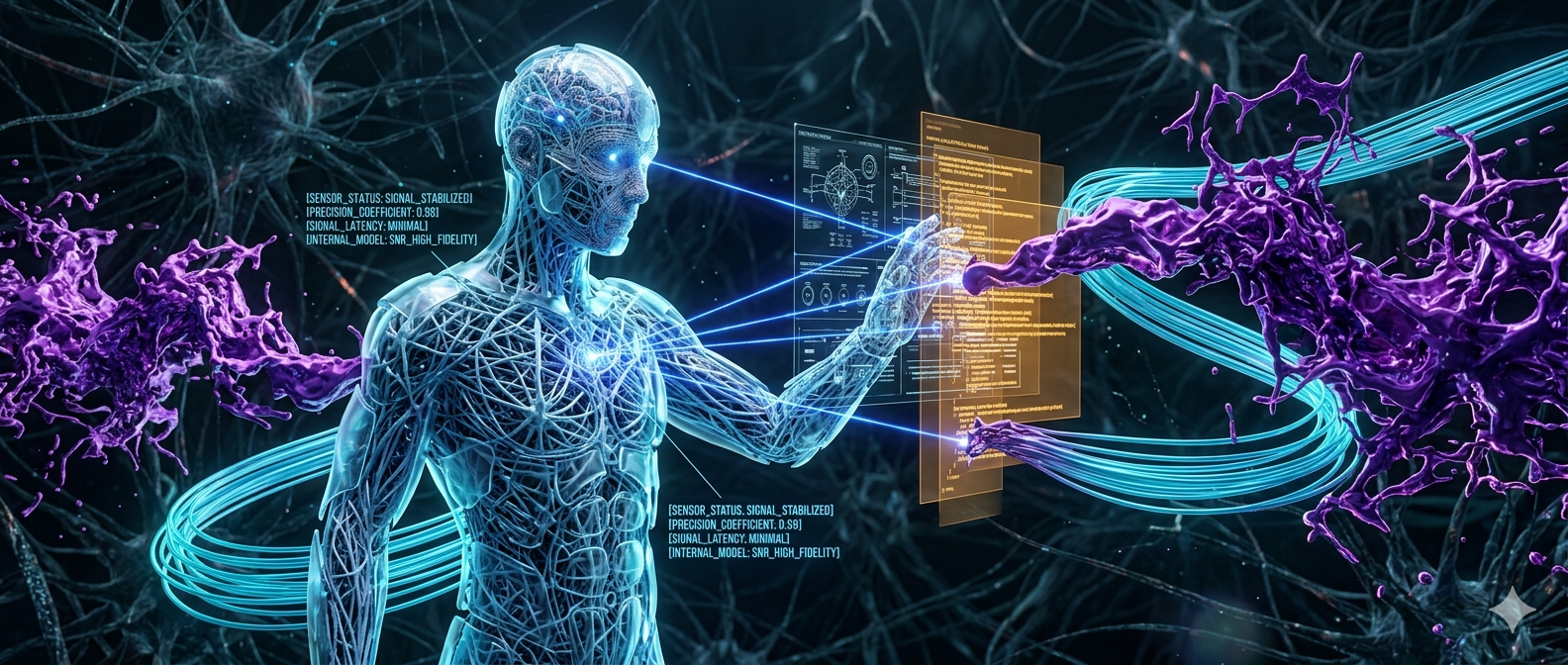
Neural Signal-to-Noise Ratio: Cleaning the System Channel
Your brain is a bio-electrical transceiver. Lowering neural noise improves focus, reduces cognitive load, and restores high-fidelity thought.
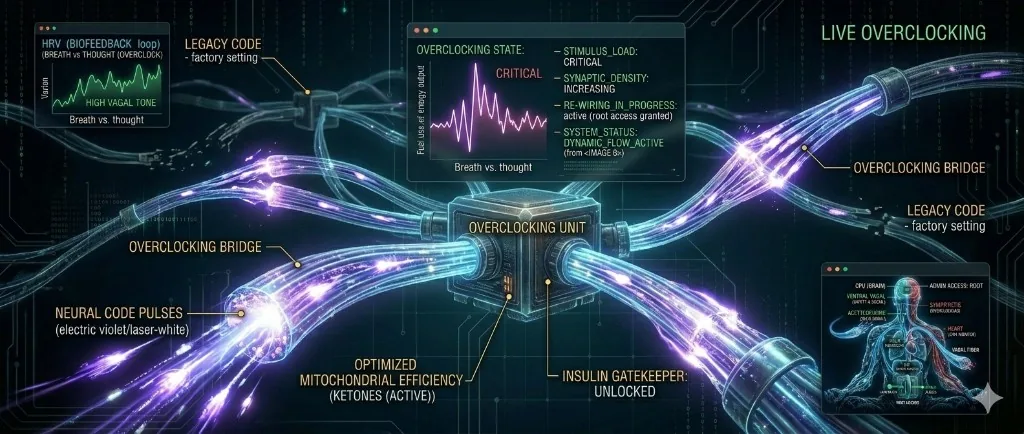
Neuroplasticity & Flow: Overclocking Your Brain's Architecture
Rewrite your neural hardware. Trigger BDNF, enter Flow State, and myelinate high-performance pathways for peak cognitive performance.

Physiological Concentration: The Flow State Hardwired
Concentration is not willpower. It is a physiological lock state where norepinephrine, acetylcholine, and dopamine align to create high-intensity flow and reduced cognitive noise.
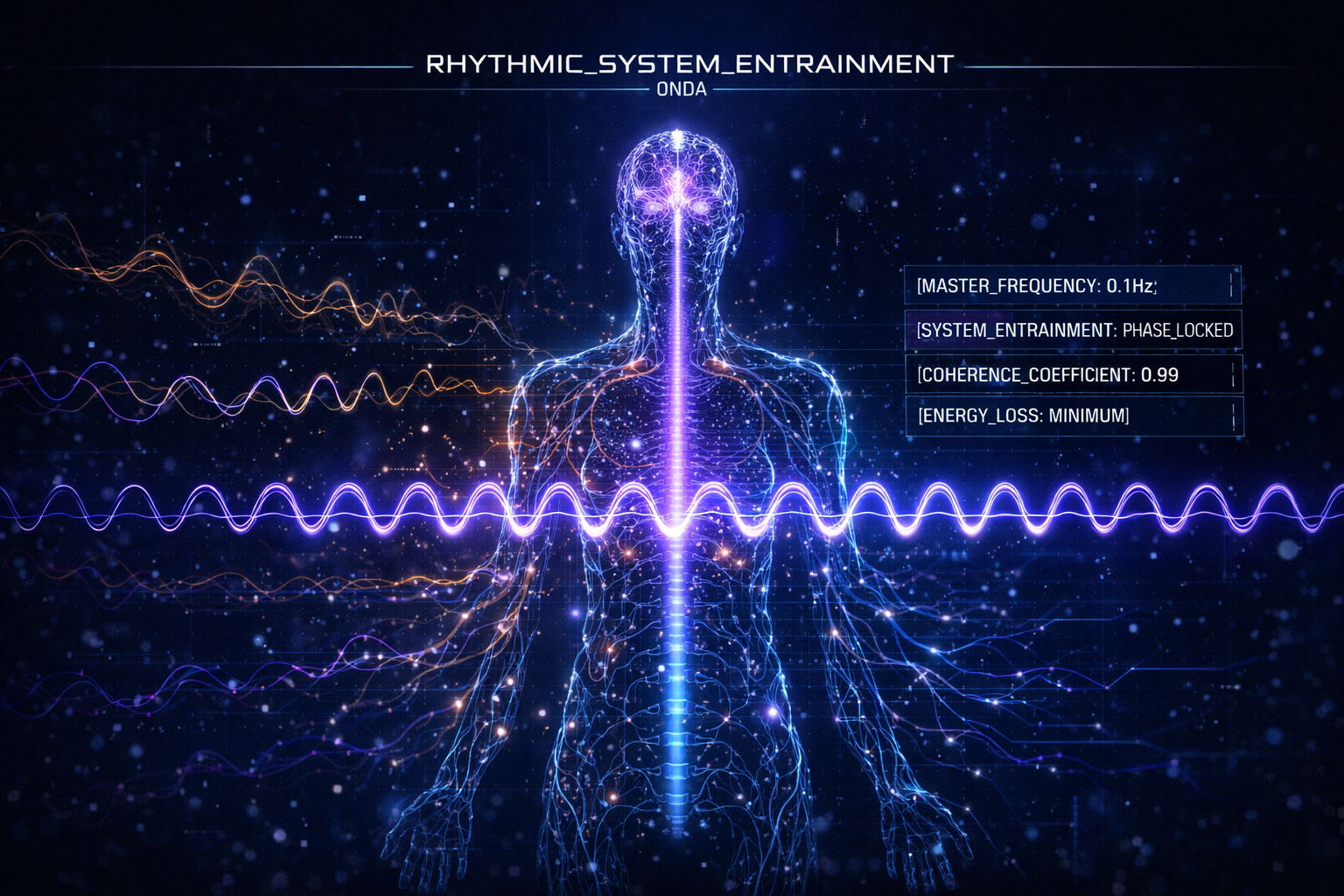
Rhythmic Entrainment: Synchronizing System Frequencies
Biological oscillators — CPGs, lungs, heart, brain — waste energy when out of phase. The ONDA Entrainment Protocol uses 0.1 Hz pacing, locomotor-respiratory coupling (LRC), and acoustic entrainment to lock all system frequencies into a single coherent rhythm and eliminate internal resistance.
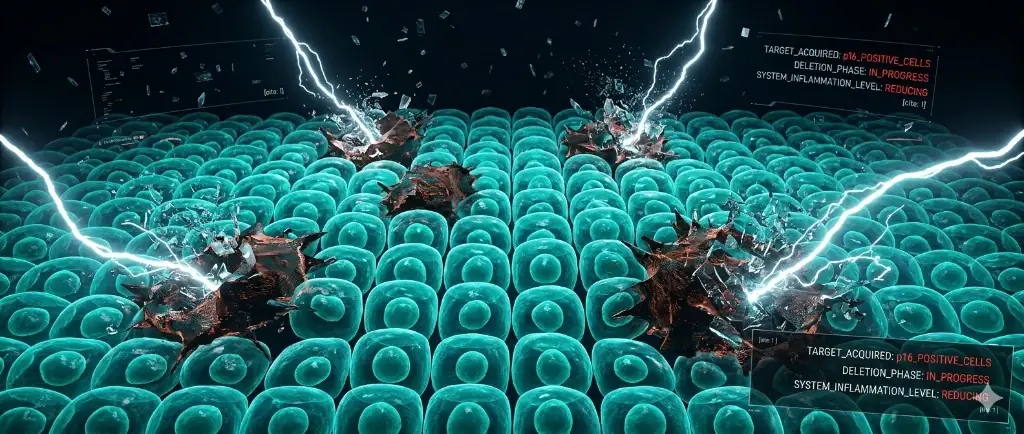
Senolytic High-Dosing: The Longevity Switch
Learn the "Hit and Run" protocol using Quercetin, Dasatinib, and Fisetin to clear senescent "zombie" cells and slow biological aging.
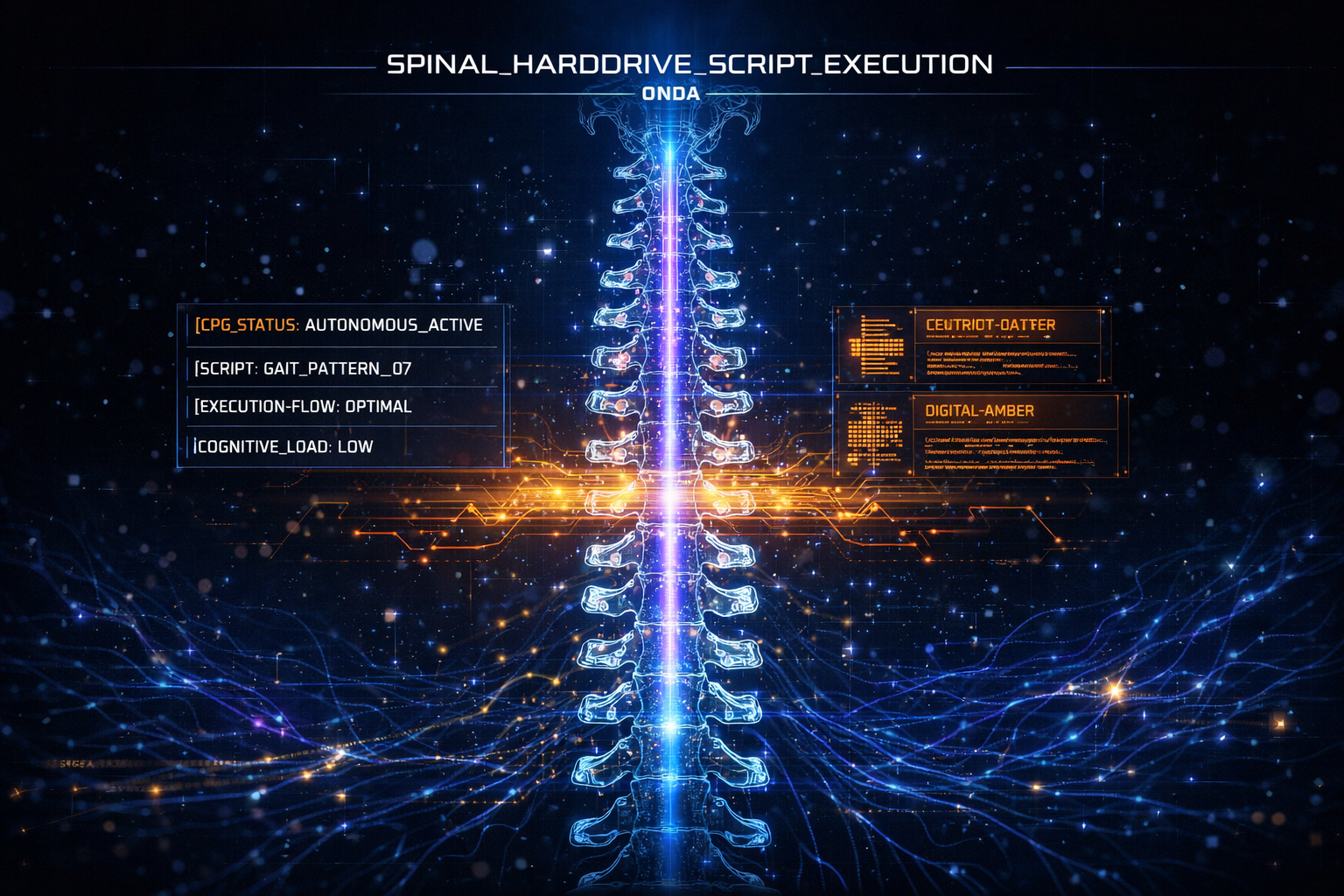
The Spinal Harddrive: Autonomous Scripts and Neural Freedom
Central Pattern Generators (CPGs) are spinal neural circuits that execute complex movement without brain input. The ONDA Harddrive Protocol uses sensory priming, rhythmic entrainment, and eyes-closed drills to delegate motor control downward — freeing the prefrontal cortex for strategic thought.
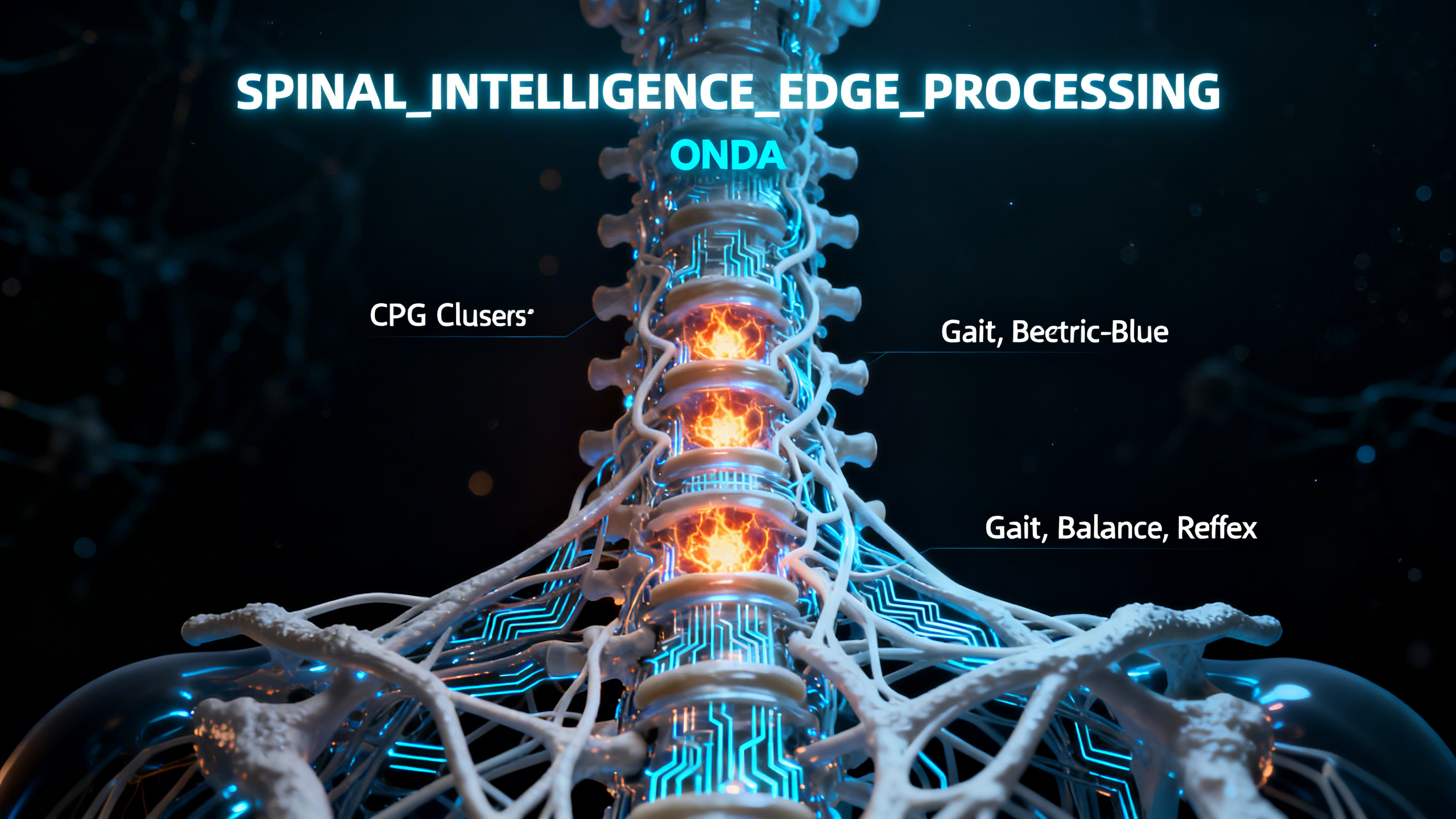
Spinal Intelligence: The Decentralized Control Protocol
The spinal cord is not a cable — it is a distributed processor with its own motor memory and reflex logic. The ONDA Spinal Intelligence Protocol uses unpredictable loading, proprioceptive focus, and Alpha-state triggers to eliminate cognitive interference and activate decentralized edge computing in movement.
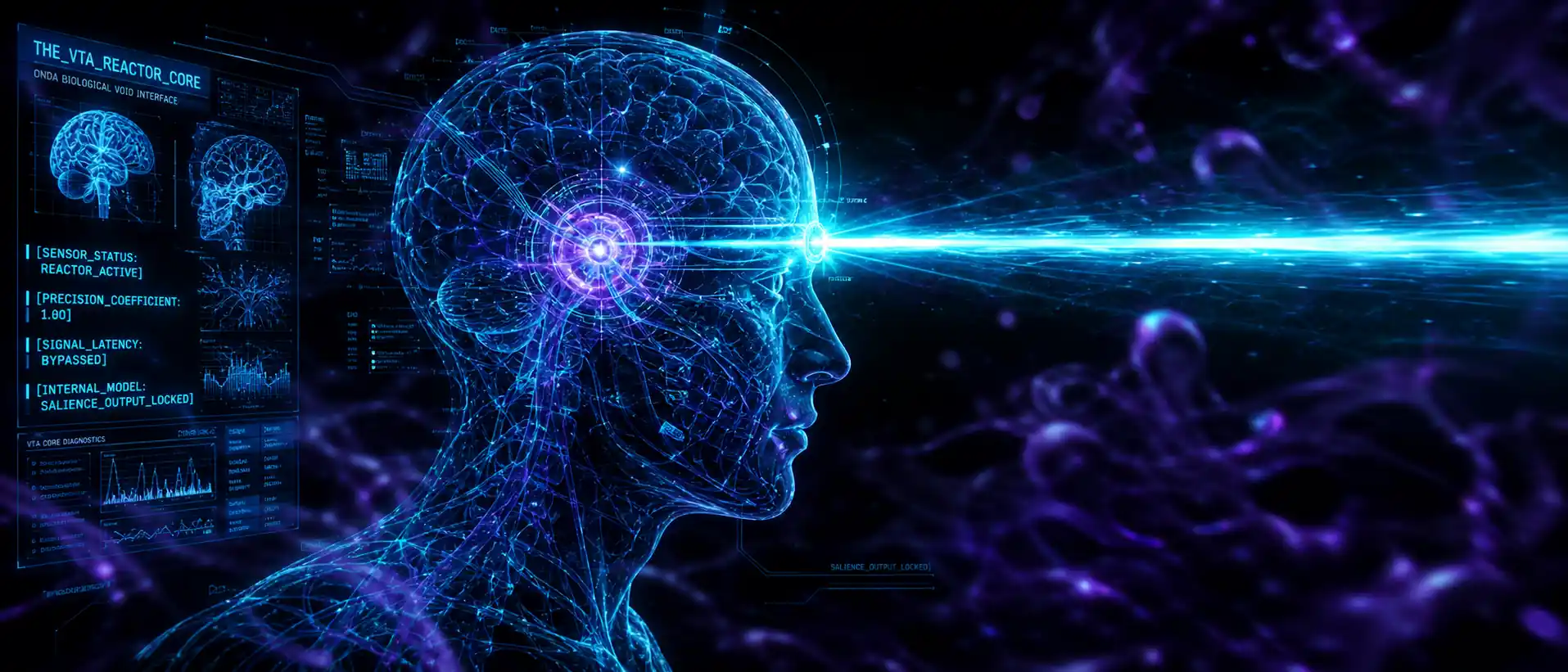
Ventral Tegmental Core: The Reactor of Motivational Salience
The Ventral Tegmental Area as the reactor of motivational salience. Dopamine telemetry, prediction error, and ONDA protocols to recalibrate the core.